PORTO day#4

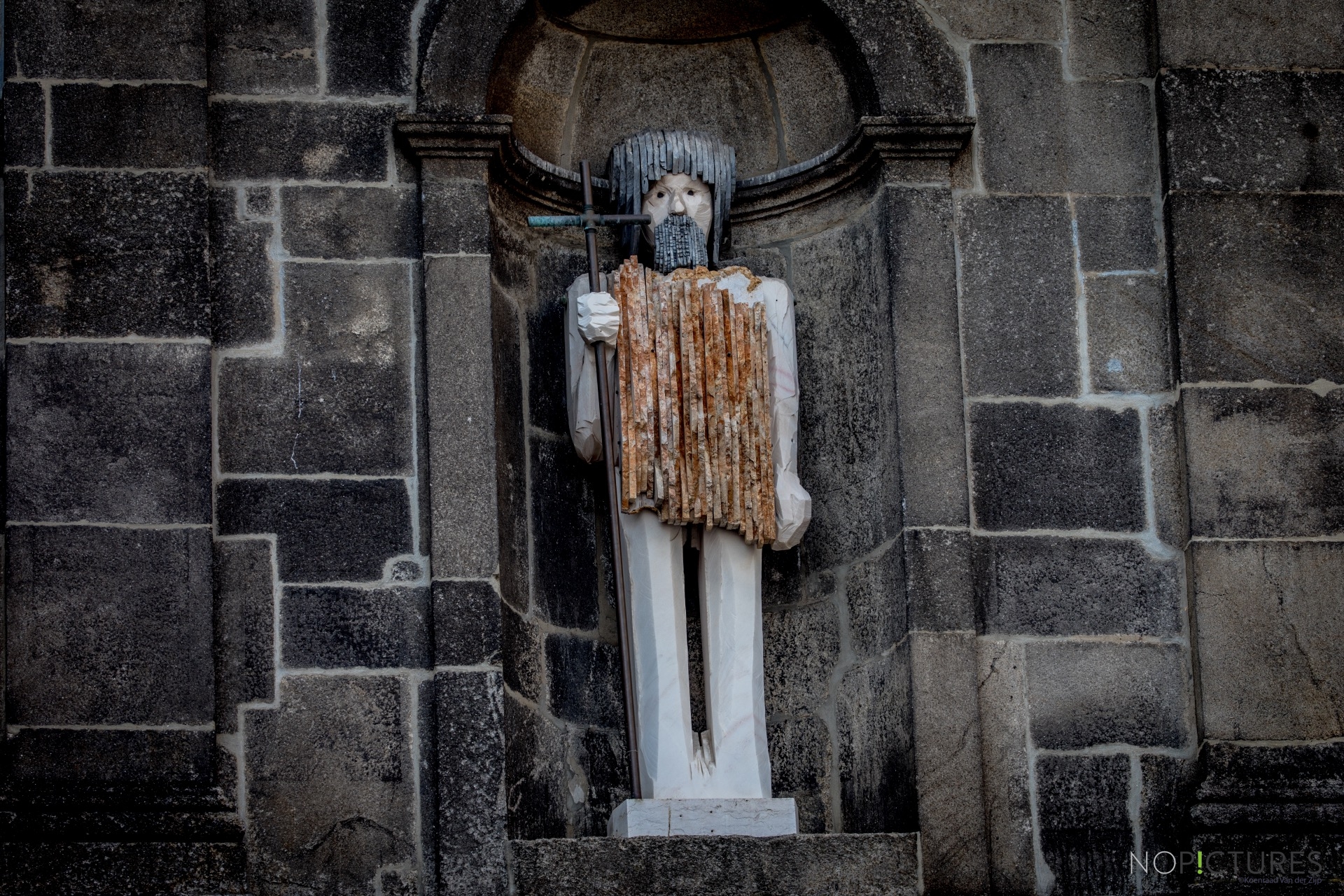
Sé do Porto Cathedral, situated in the old town on the highest hilltop, is one of Porto’s oldest monuments. It is the city’s most important Romanesque building. Originally, it was a fortified church, as can still be seen from the battlements. Construction began around 1110 and was completed in the 13th century. Next to the cathedral stands a Gothic monastery (on your right as you enter the cathedral). The cloister in this 14th-century monastery was entirely decorated with blue and white azulejo panels around 1730. The artist Valentim de Almeida painted scenes from the life of the Virgin Mary.The Monastery …
PORTO day#3

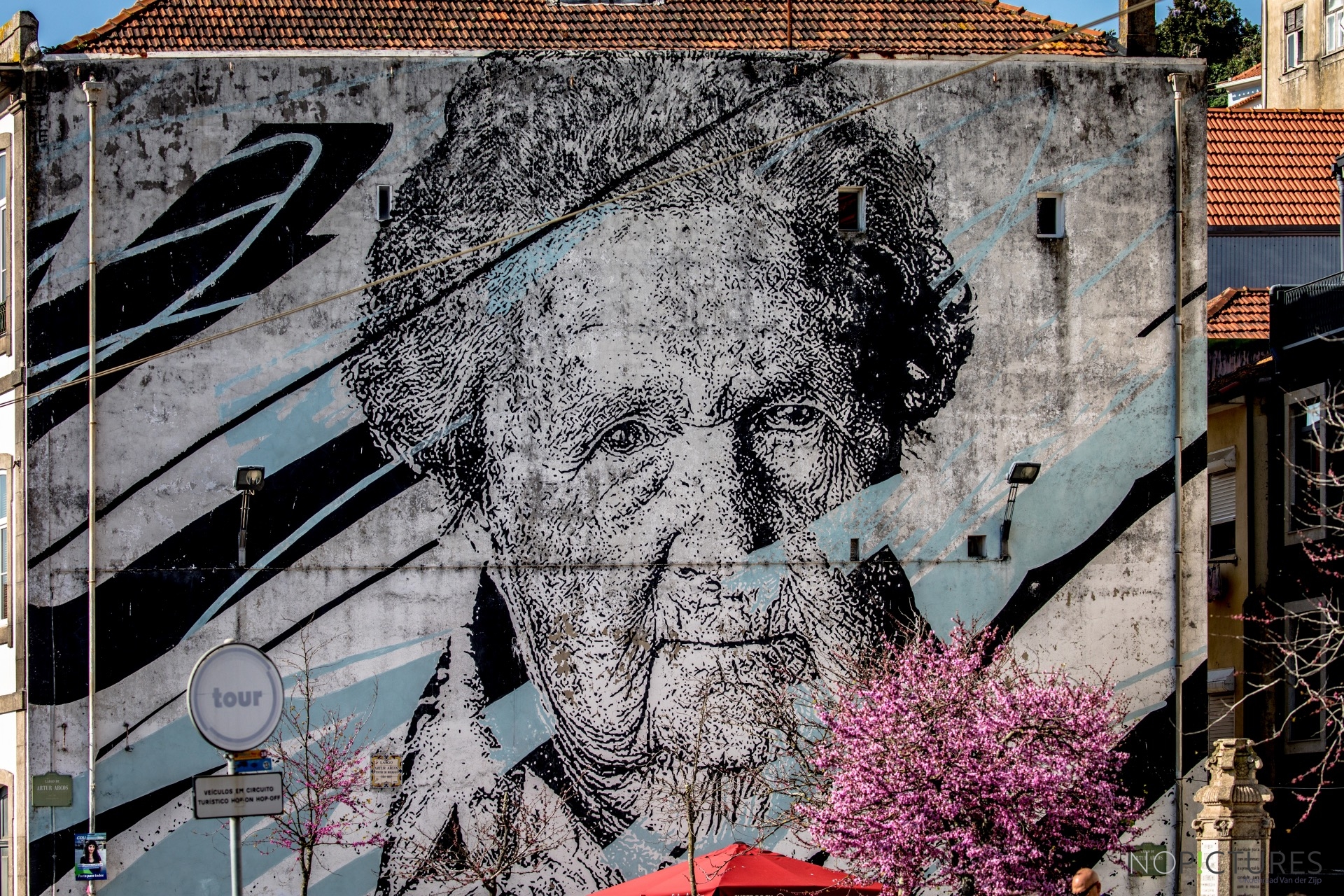
As in most major cities, there’s an abundance of graffiti in Porto too. Each piece is even more colourful and artistic than the last. It often adds an extra dimension to the neighbourhood. It immediately feels less gloomy. And it has to be said, this city could do with a thorough revamp. Many buildings are abandoned and are on the verge of collapse.Enquiries with a few Tripeiros (people of Porto) and a quick Google search reveal that there are several reasons for this:Outdated Rent Control Laws: Mid-20th-century rent-control regulations (such as legacy rent freezes from the Salazar era and the …

PORTO day#2

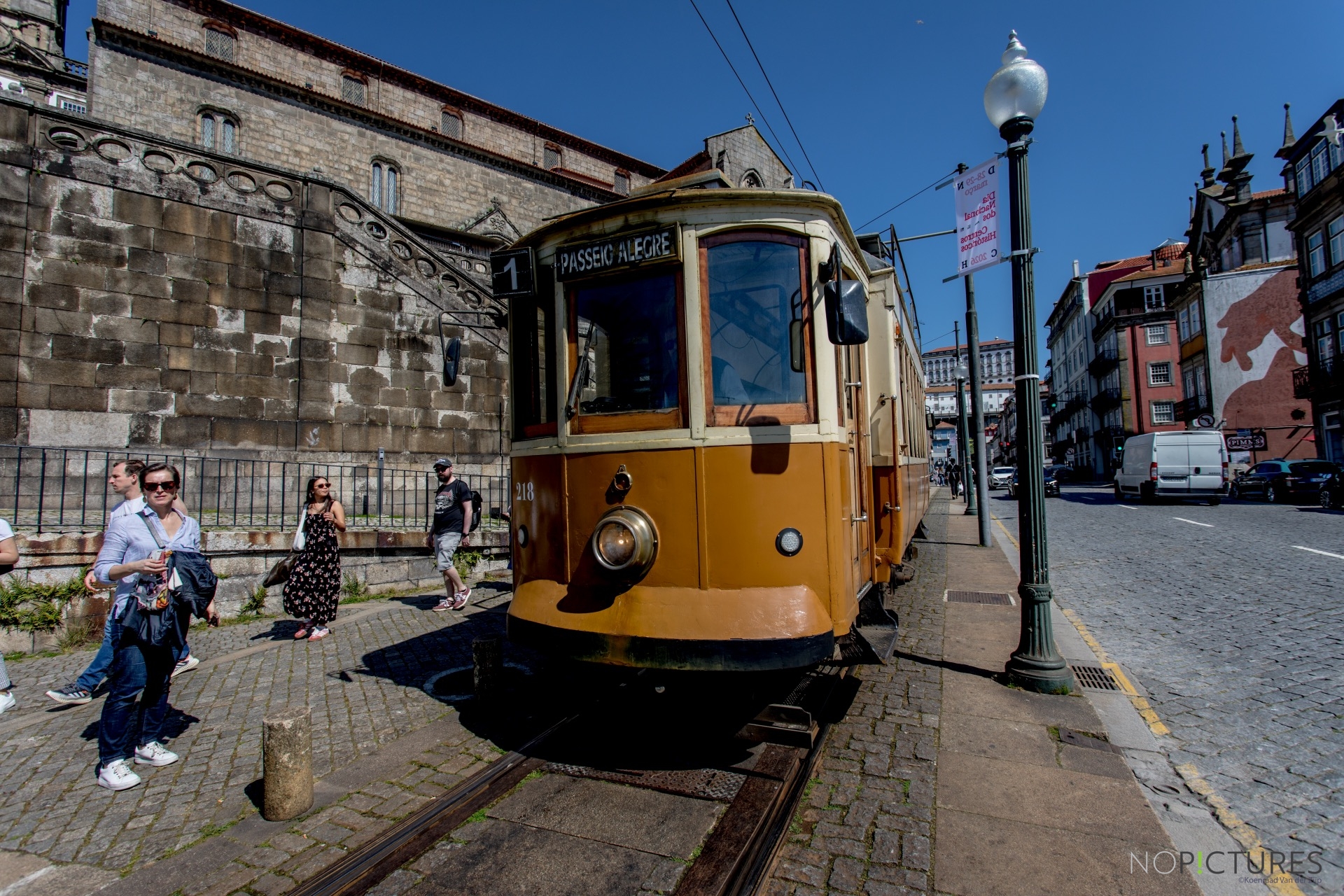
On our second day, we decided to seek some relief from the heat in a few historic buildings. A win-win.The Church of saint Francis was a gem. Gothic on the outside, Baroque on the inside. When you step inside the church, you actually feel as though you’re in a jewellery shop, thanks to the lavish use of gold-leaf-covered carvings.One of the highlights is the tree of Jesse that depicts the intricate family tree of Jesus Christ.Right next to it stands the church of the Third Order of St Francis, which was built in the 19th century as a more austere …

PORTO day#1

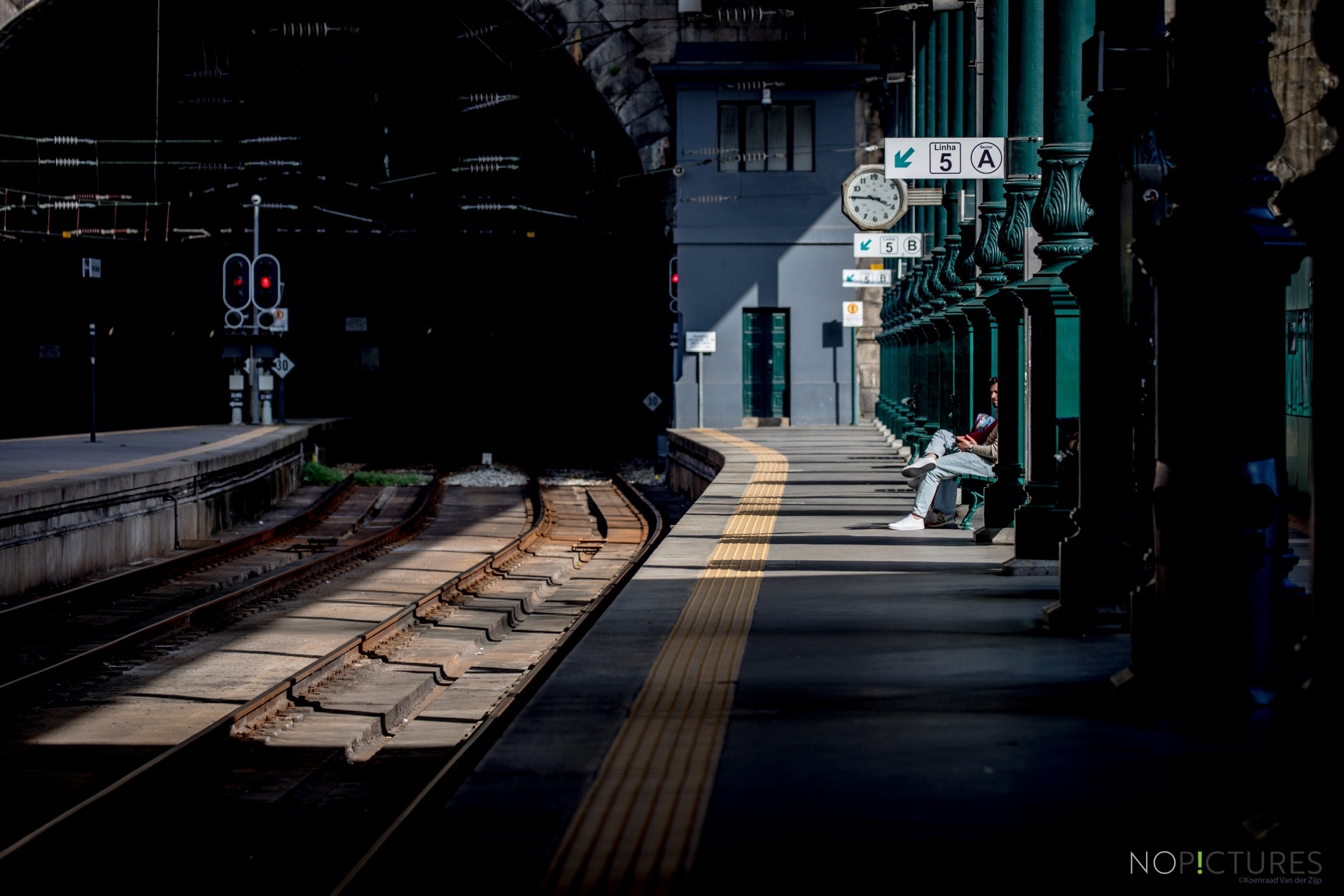
Steep stairs, narrow alleys and washing lines strung across the street, laden with colourful clothes. According to a local, the city even asks its residents to carry on doing this because it adds to the character of the city.Our first stop was to admire the azulejos of the São Bento station entrance hall. Together with the stained-glass windows it gave the hall somehow a dreamy effect. Unfortunately, due to extensive roadworks, it was impossible to take a photo of the façade.This is somewhat in line with the station’s history, which was marked by technical and political setbacks during its construction. …