Steep stairs, narrow alleys and washing lines strung across the street, laden with colourful clothes.
According to a local, the city even asks its residents to carry on doing this because it adds to the character of the city.
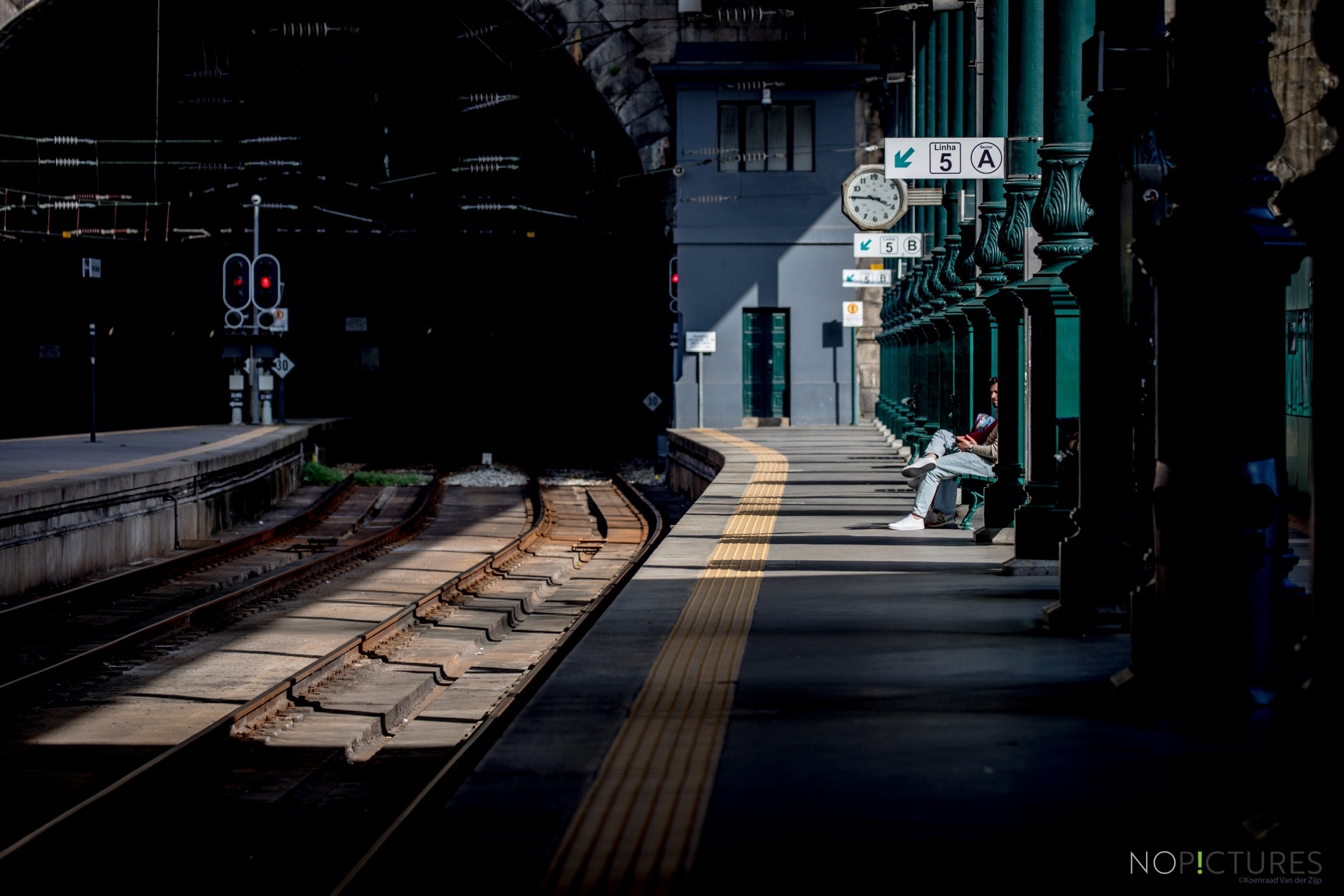
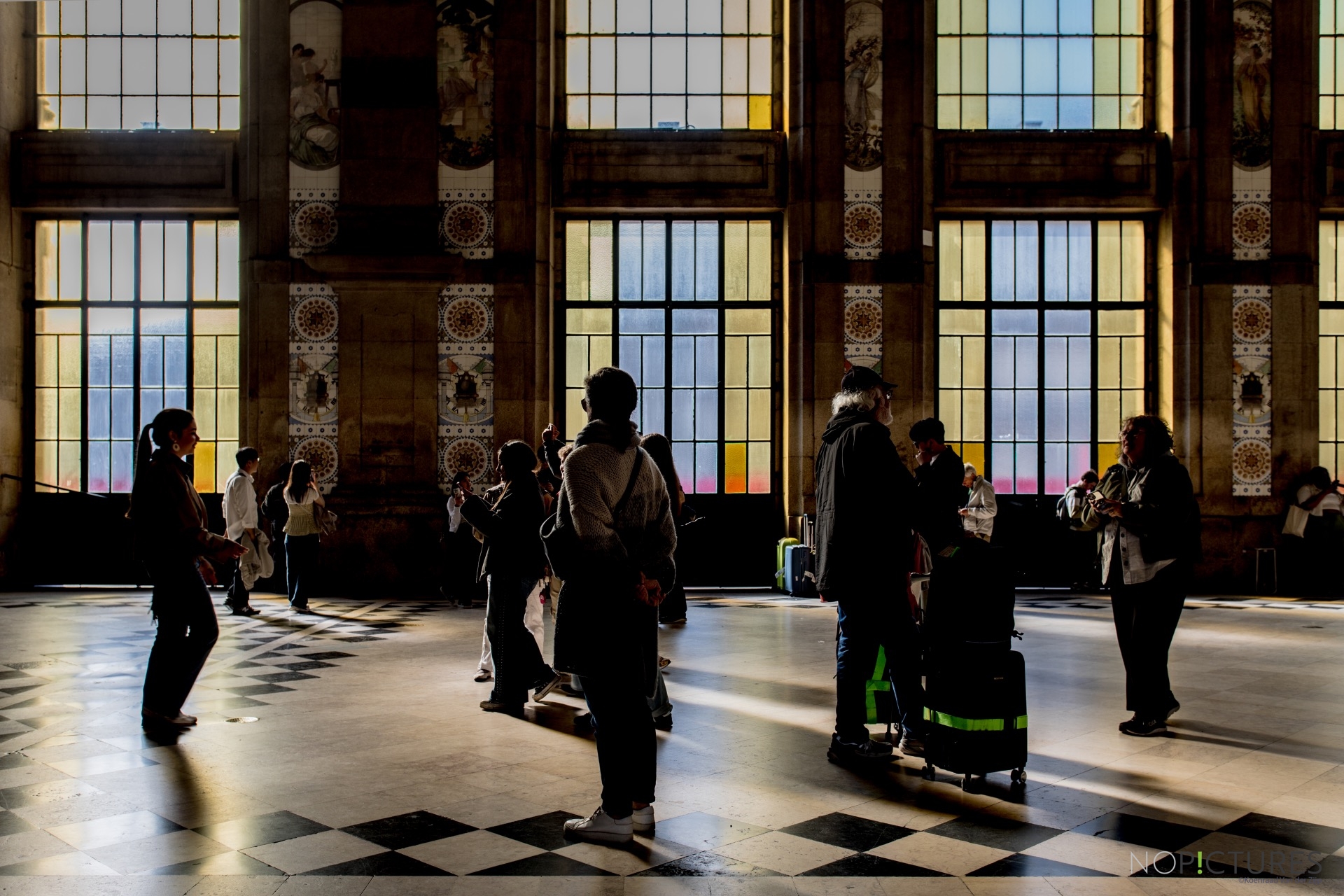
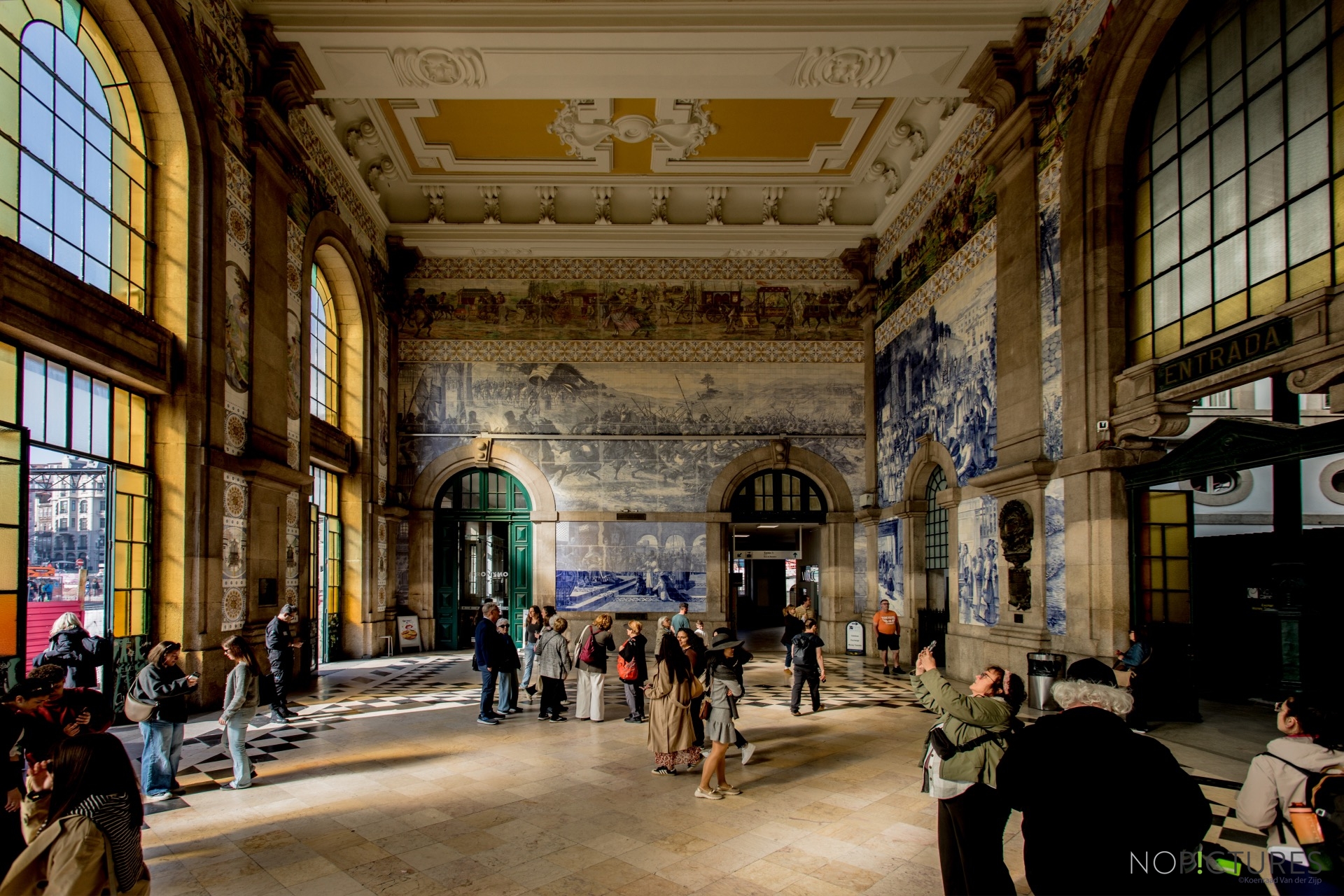
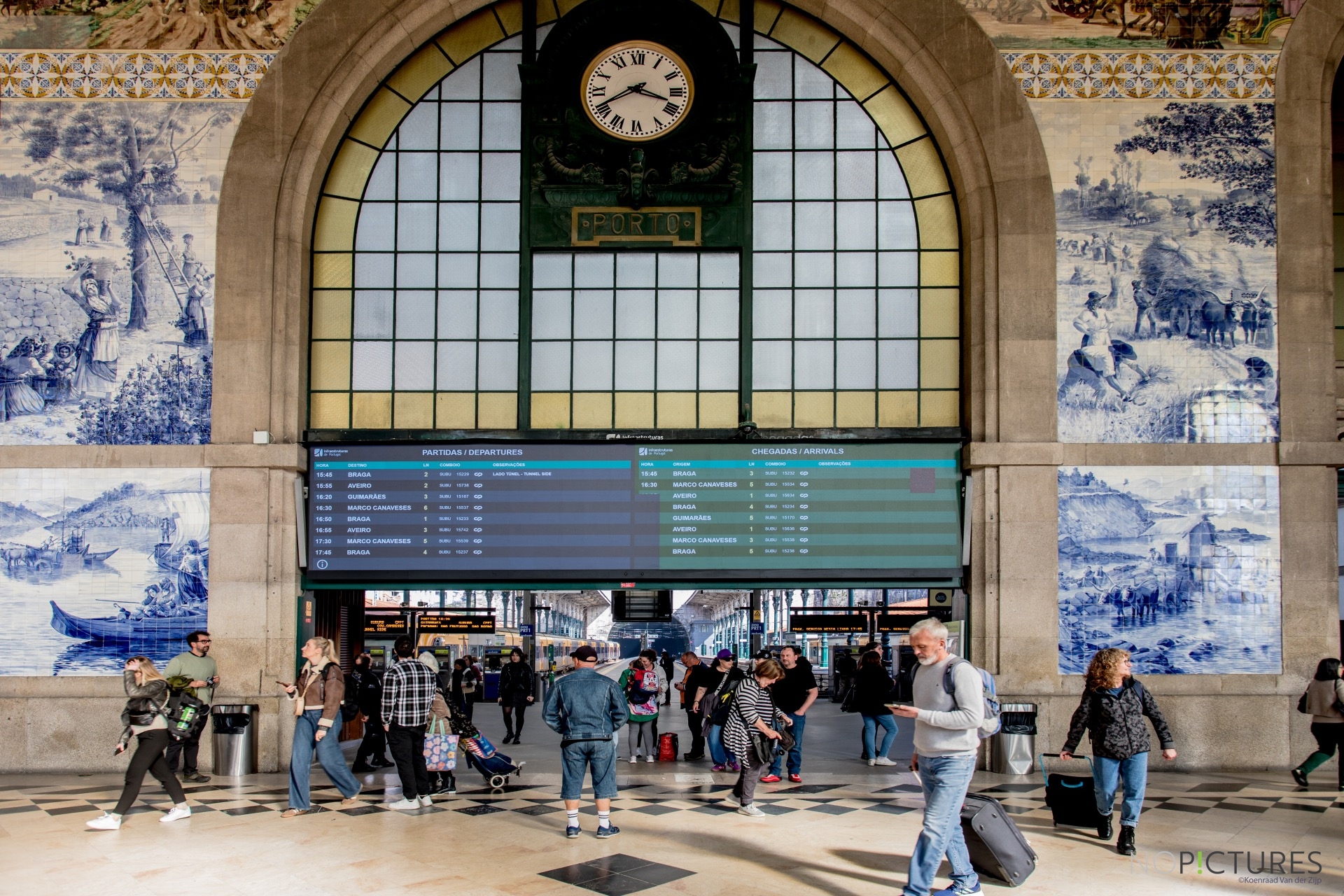
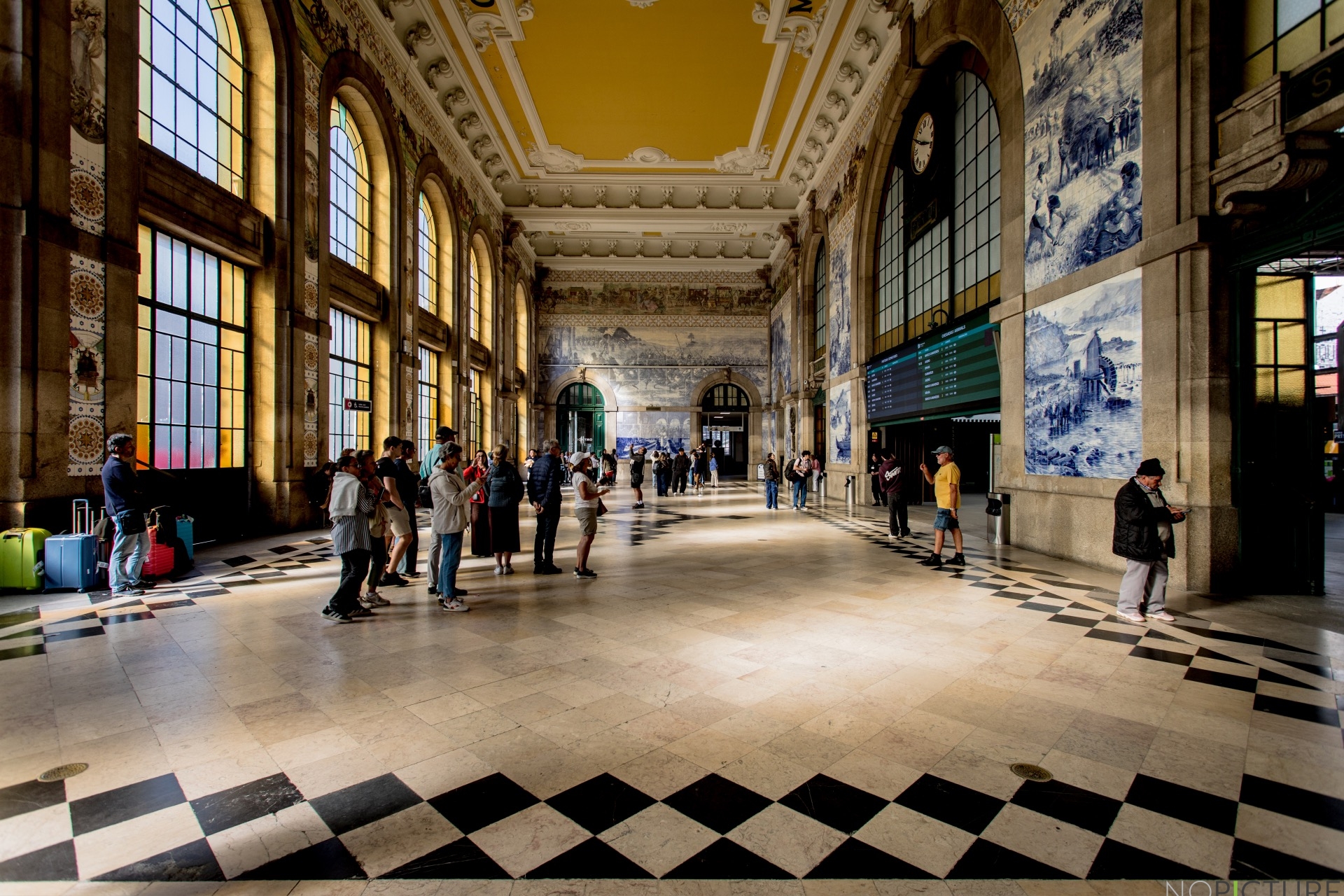
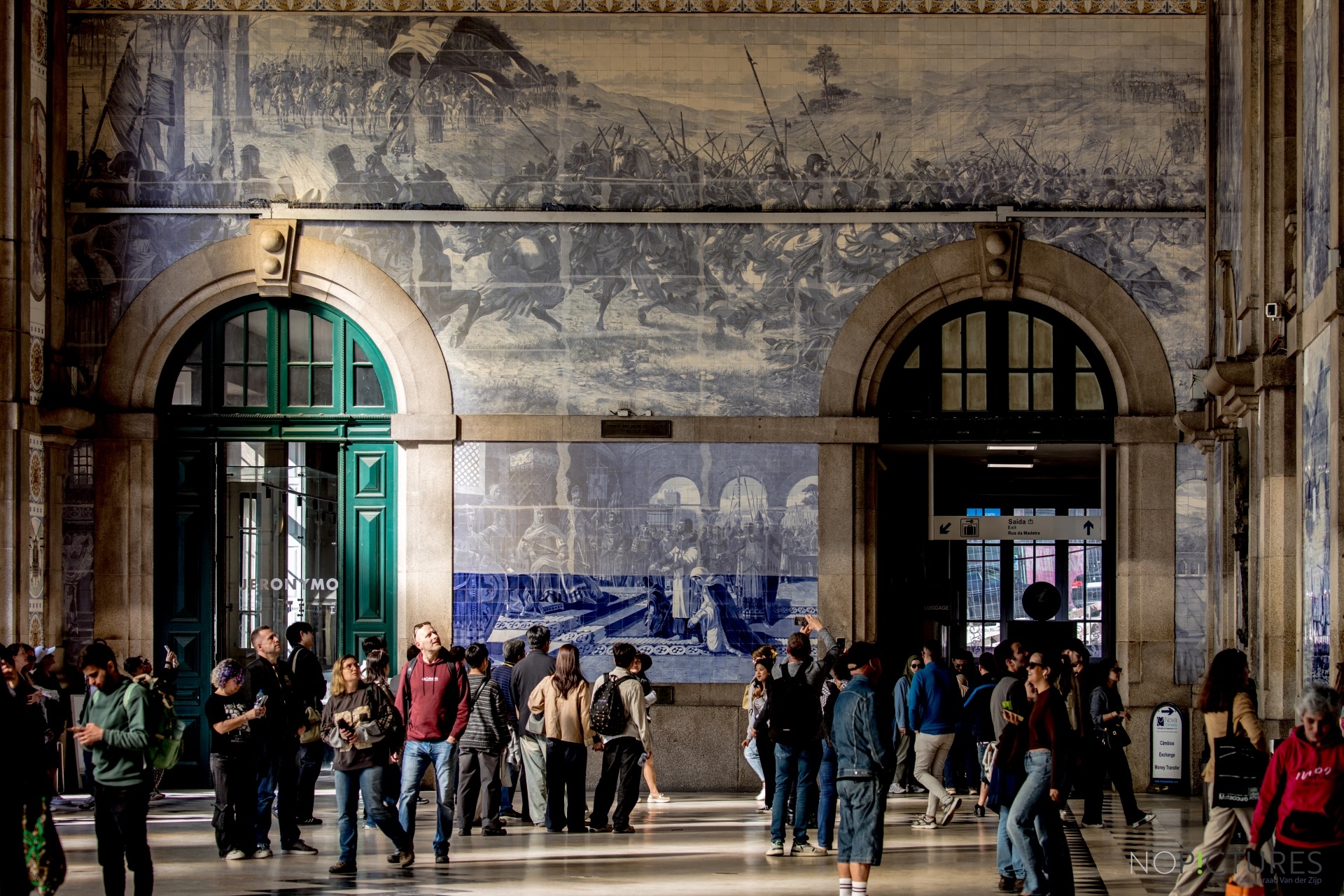
Our first stop was to admire the azulejos of the São Bento station entrance hall. Together with the stained-glass windows it gave the hall somehow a dreamy effect. Unfortunately, due to extensive roadworks, it was impossible to take a photo of the façade.
This is somewhat in line with the station’s history, which was marked by technical and political setbacks during its construction. It took 13 years to complete it. But it was really worth the visit.
Next stop was the river Douro.
Just like in Antwerp, where we live, it is the beating heart of the city.
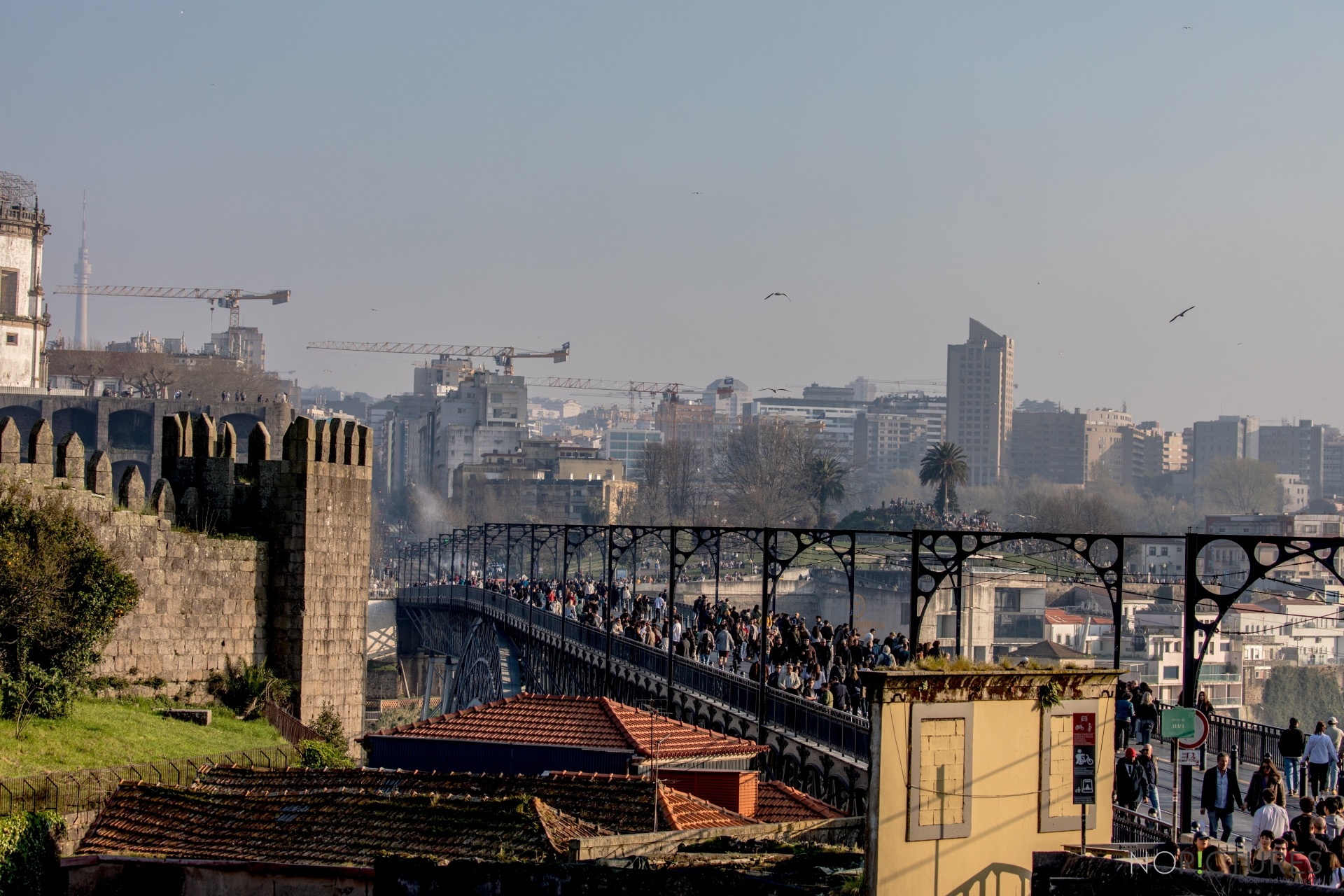
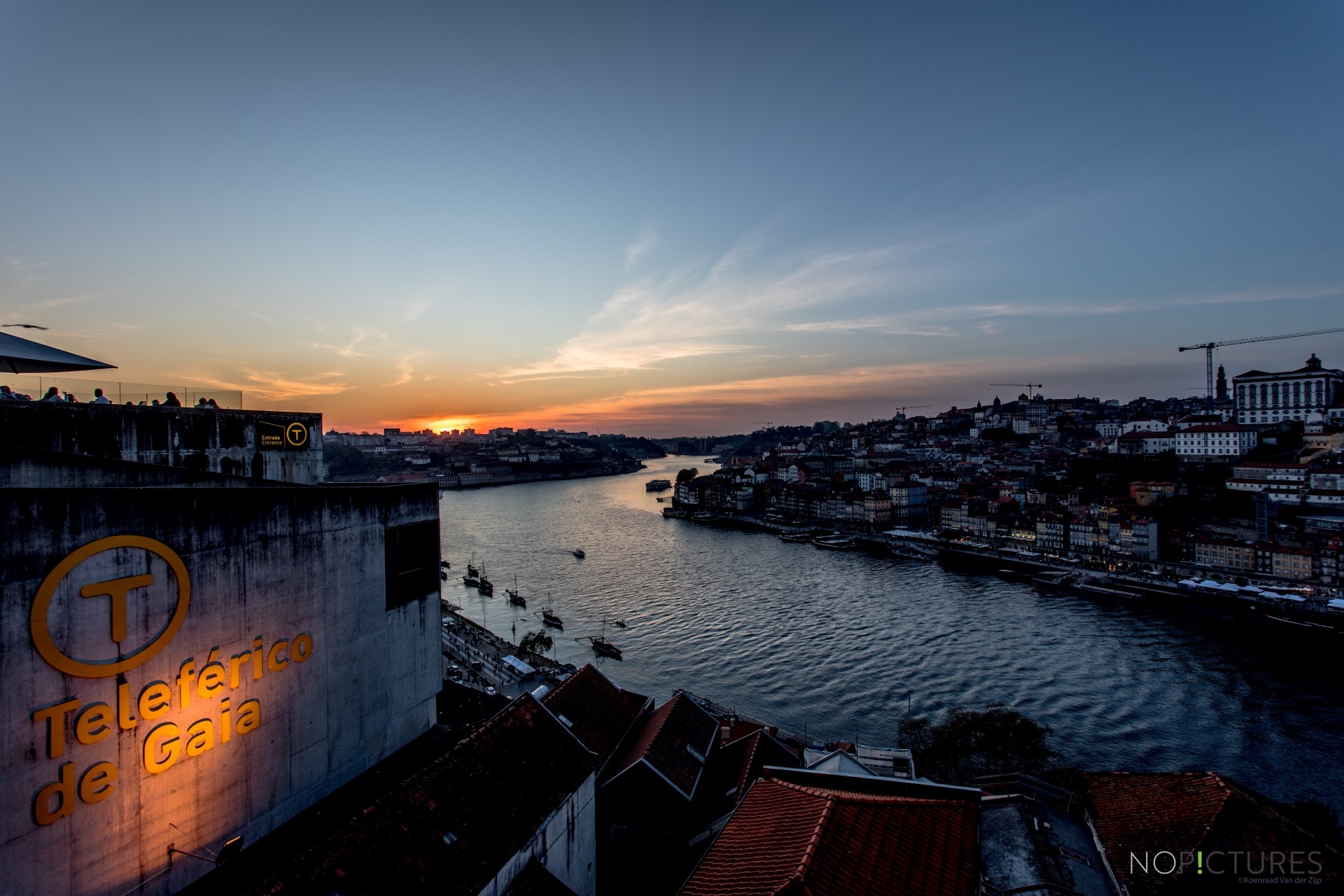
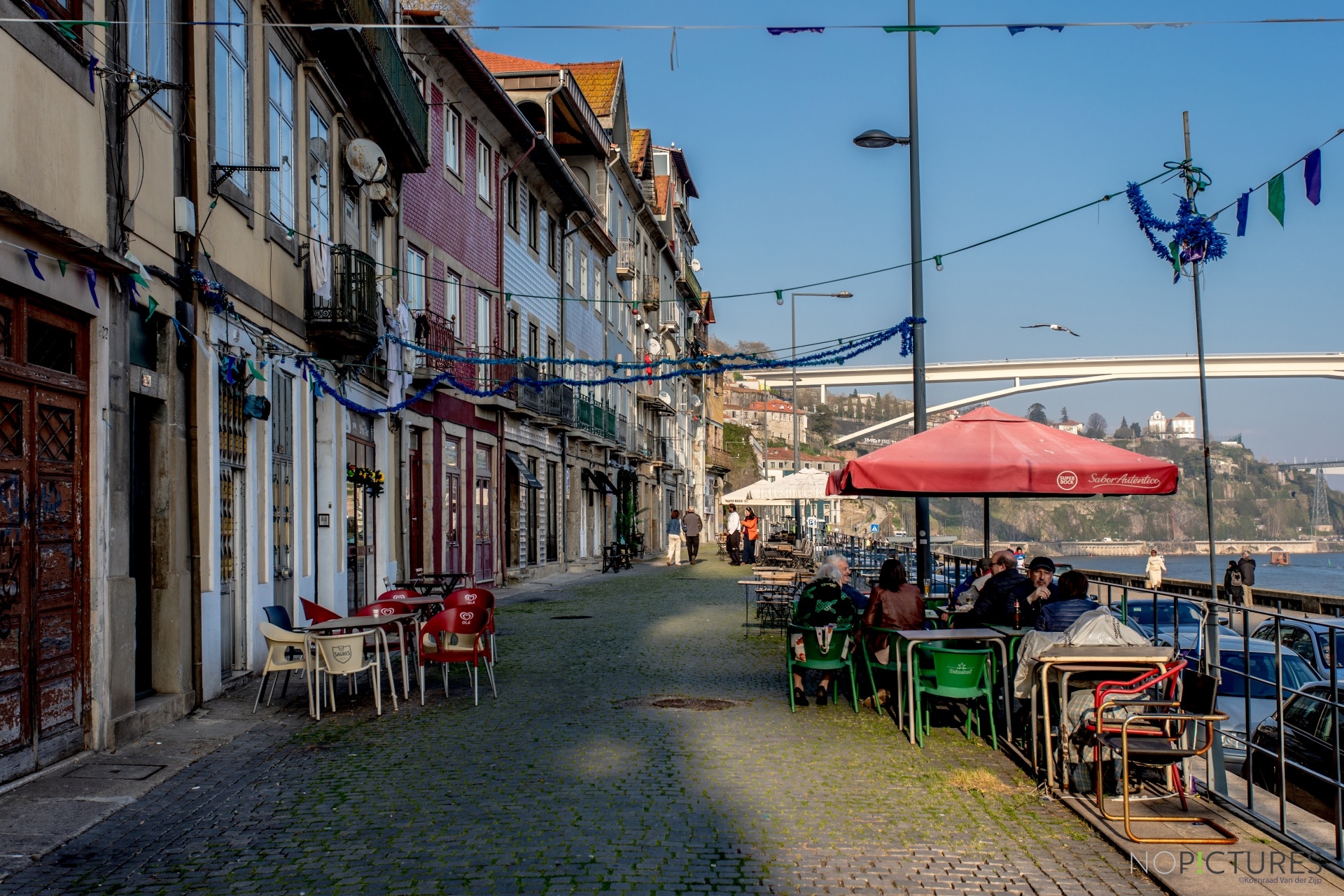
It’s lovely to go for a stroll along the Ribeira, or riverside. You can wander from terrace to terrace. In the distance, we can see the iconic Dom Luís I bridge, and on the other side of the water you can see the various Port wine houses. We’re definitely going to visit one of them. The typical Rabelo boats come in various colours and sizes and do their best to persuade tourists to go on a boat trip.
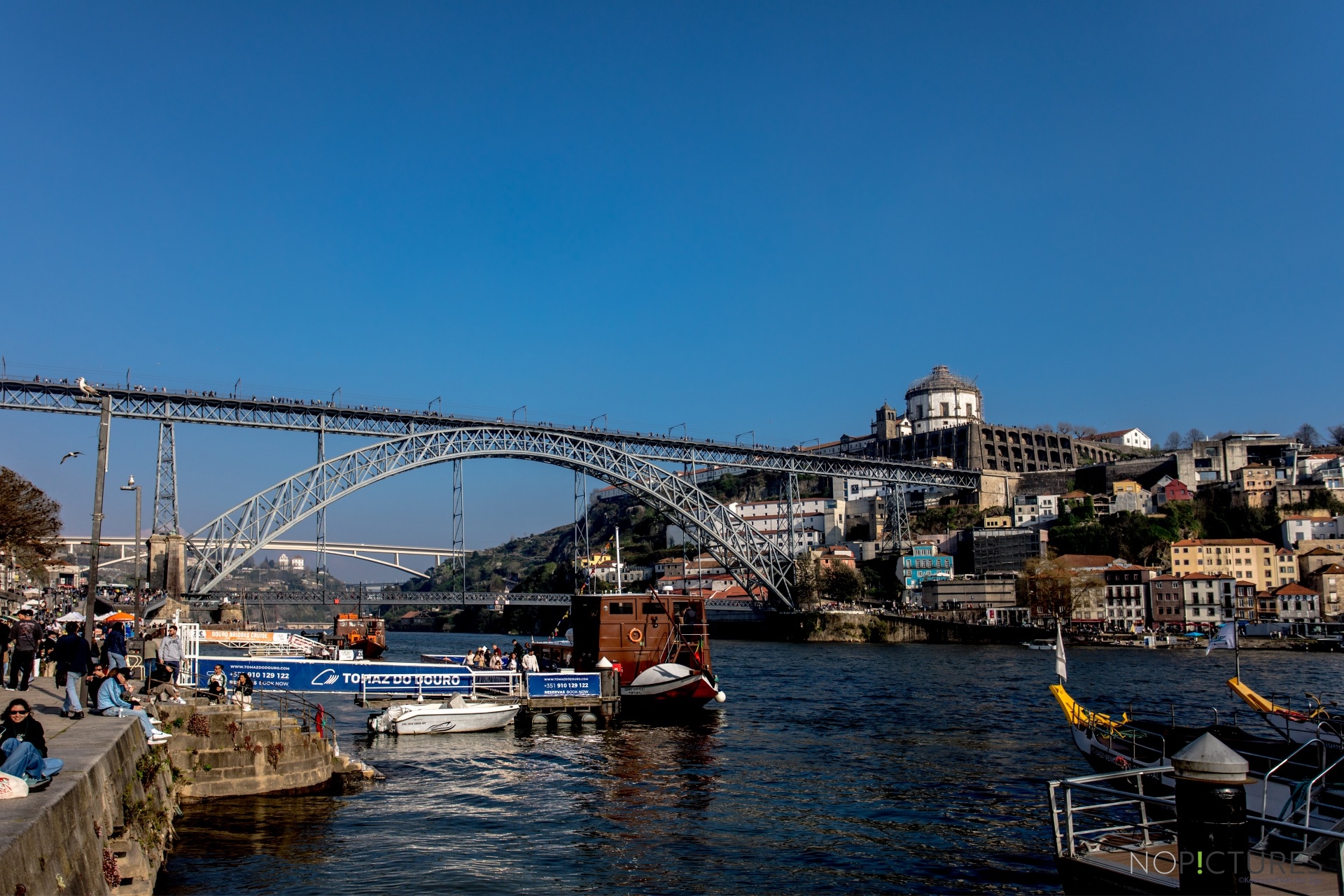
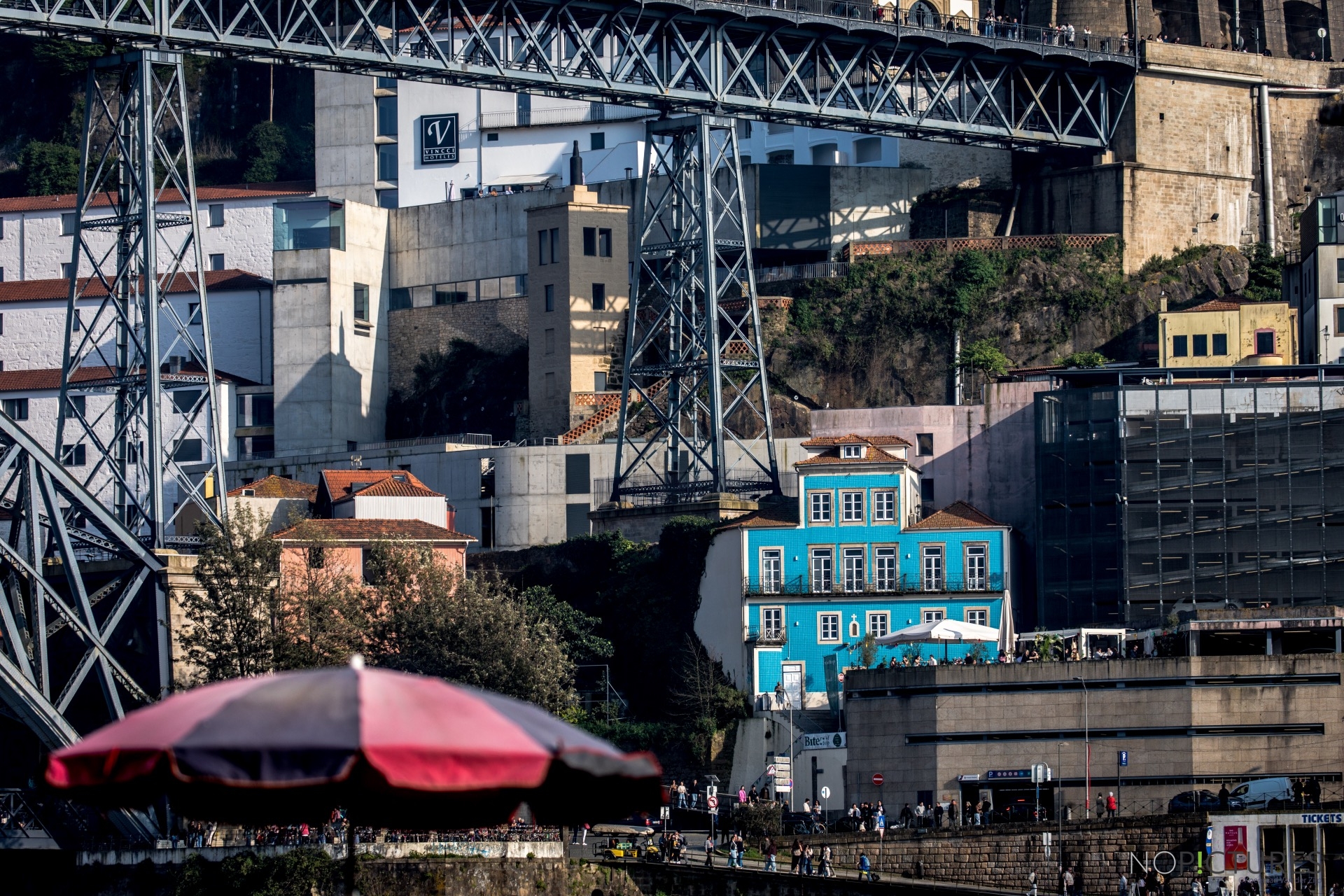
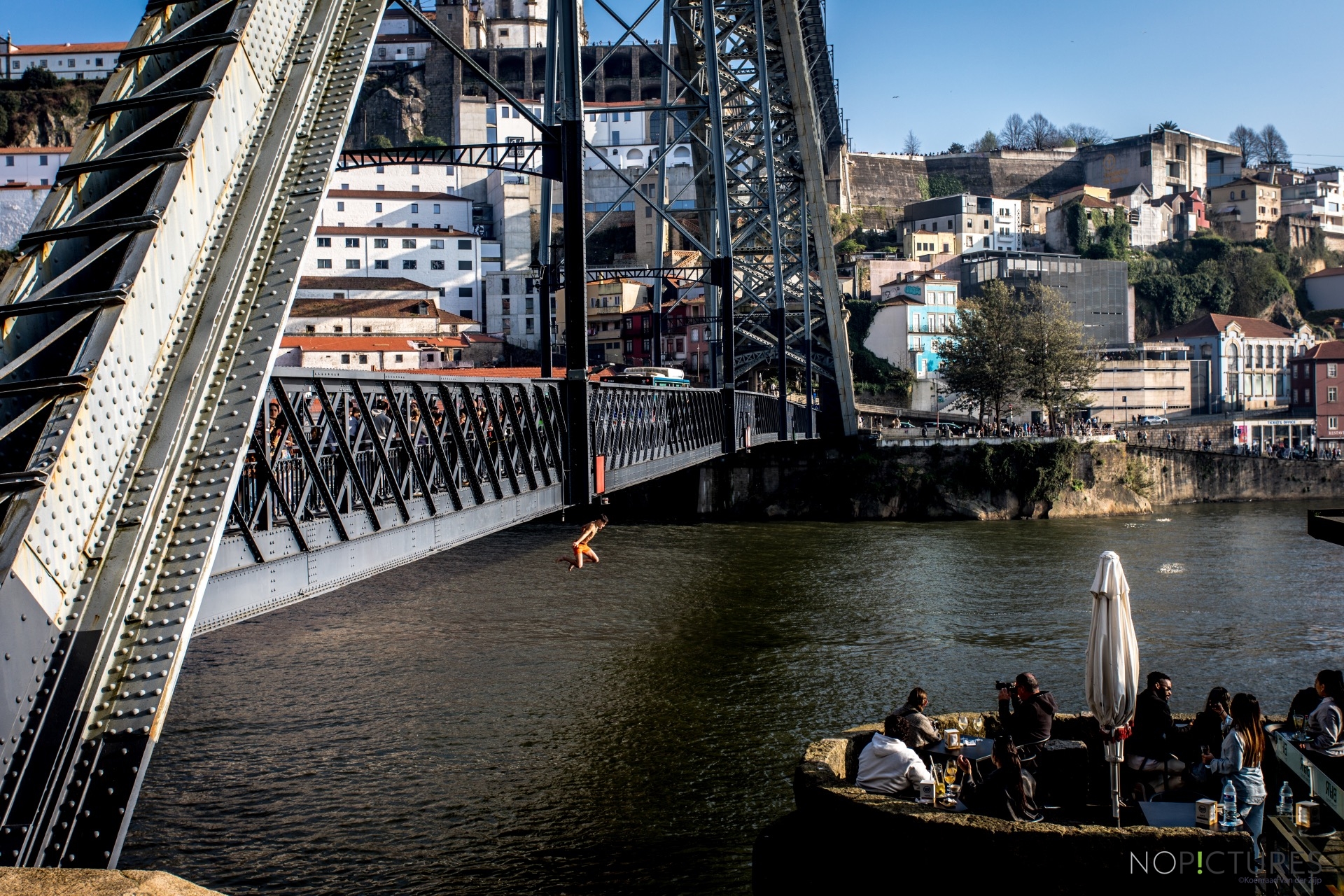
In 1880, the city of Porto organised a competition for the design of a new bridge. From among the various companies that submitted entries, the double-deck design by the Belgian Société de Willebroek from Brussels was chosen.
The designer was the German-French engineer Théophille Seyrig, the former business partner of Gustave Eiffel.
You can easily walk across to the other side via the upper level. You do need to watch out for tram traffic, though.
It’s also a brilliant spot to enjoy the sunset.