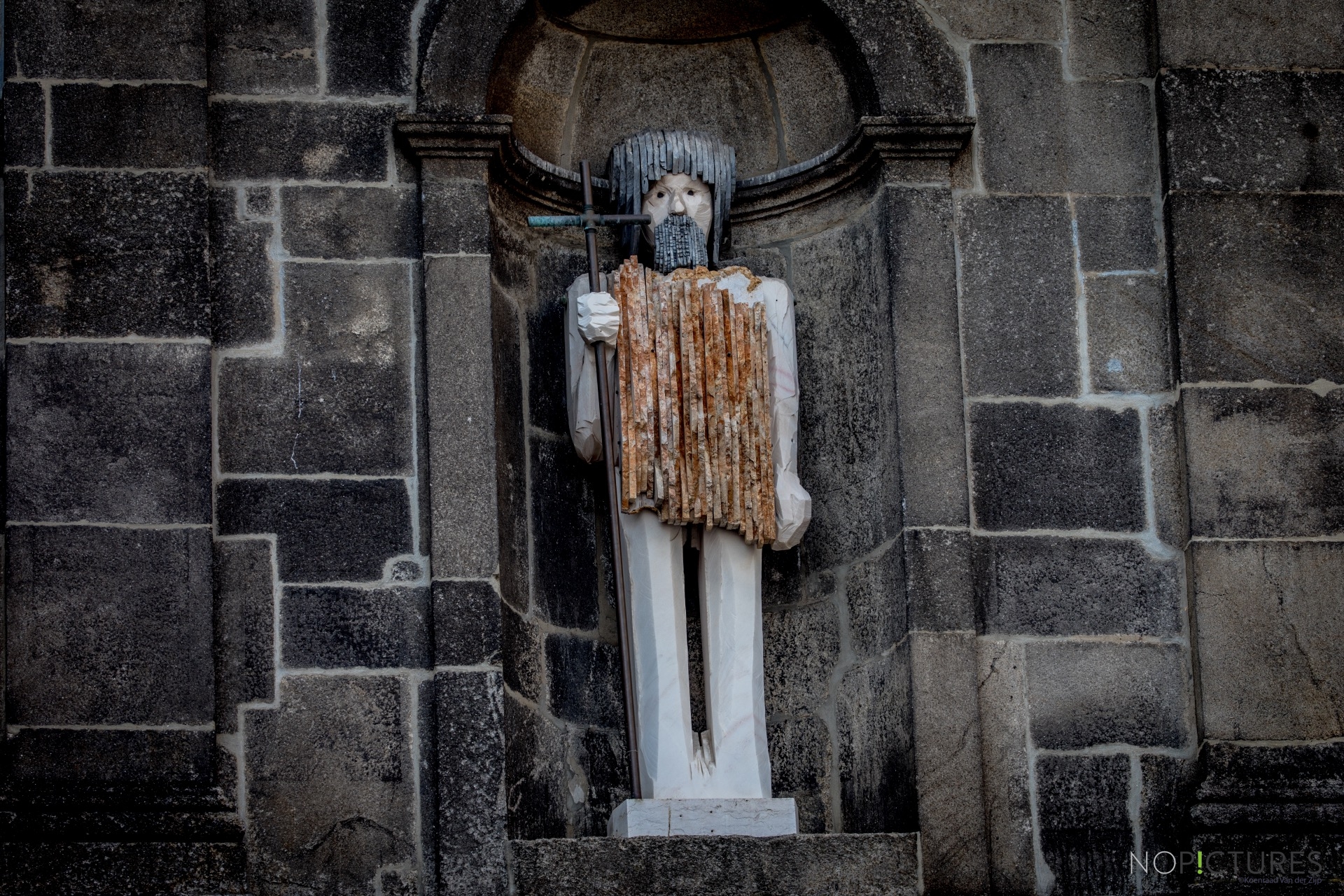
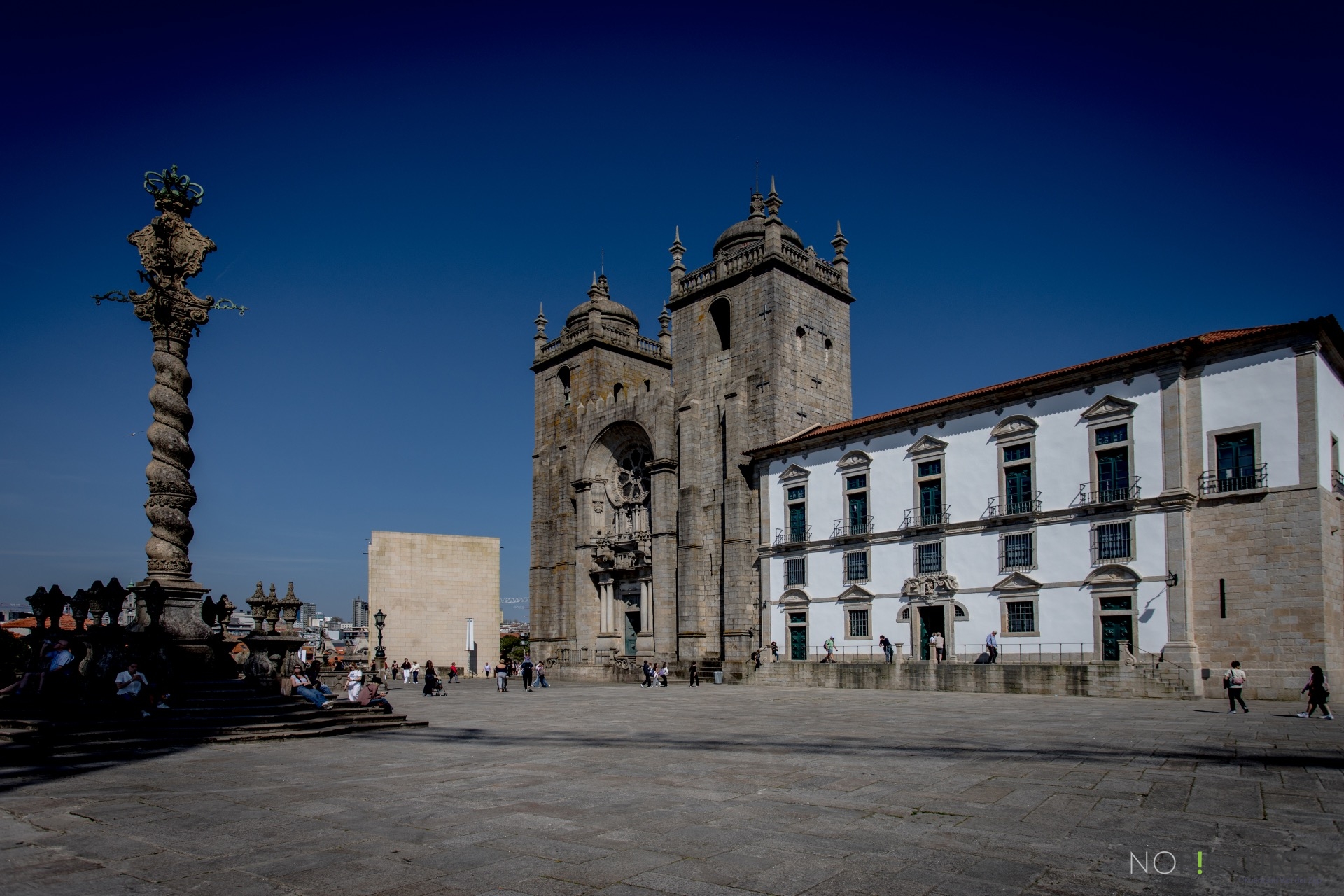
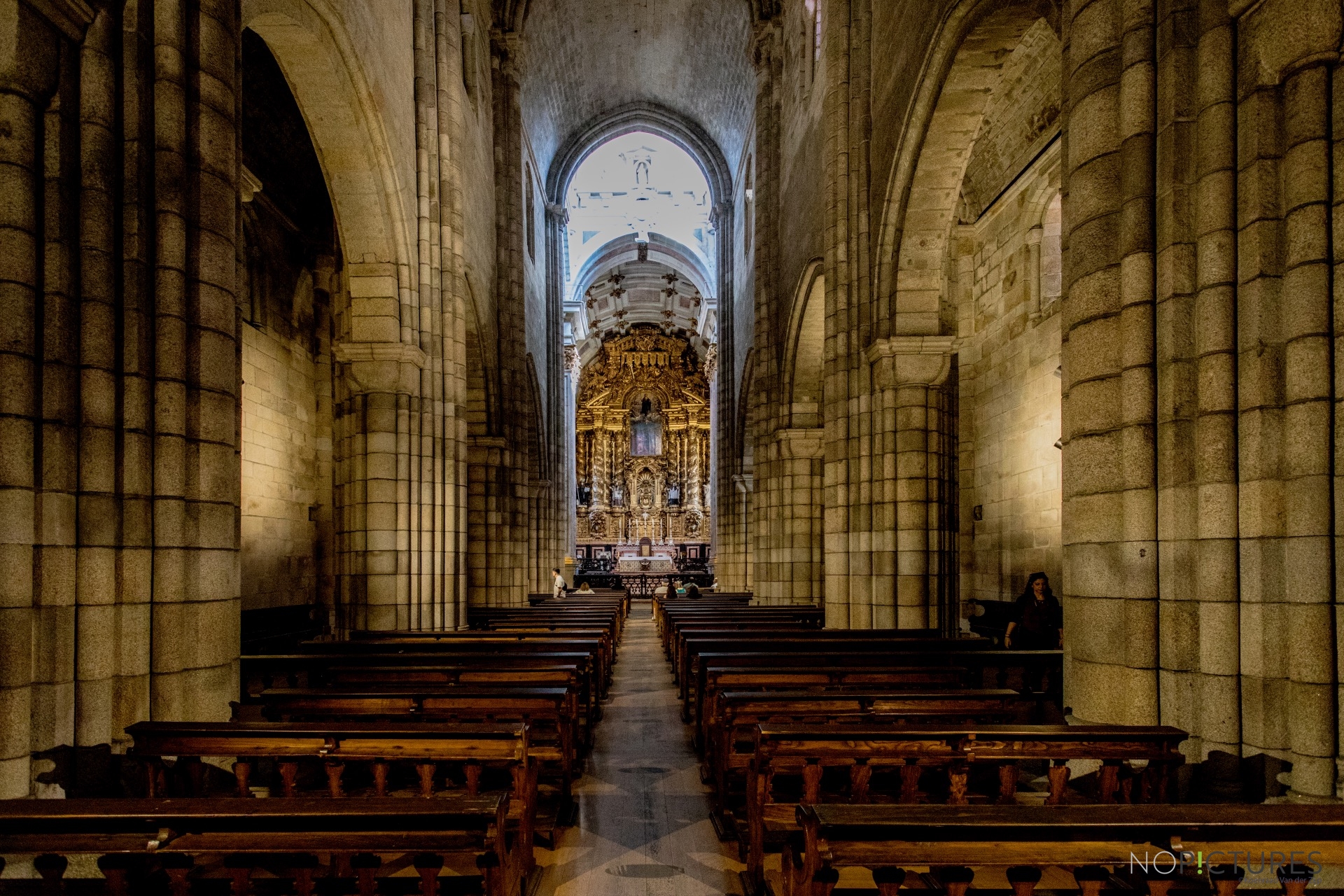
Sé do Porto Cathedral, situated in the old town on the highest hilltop, is one of Porto’s oldest monuments.
It is the city’s most important Romanesque building. Originally, it was a fortified church, as can still be seen from the battlements. Construction began around 1110 and was completed in the 13th century.
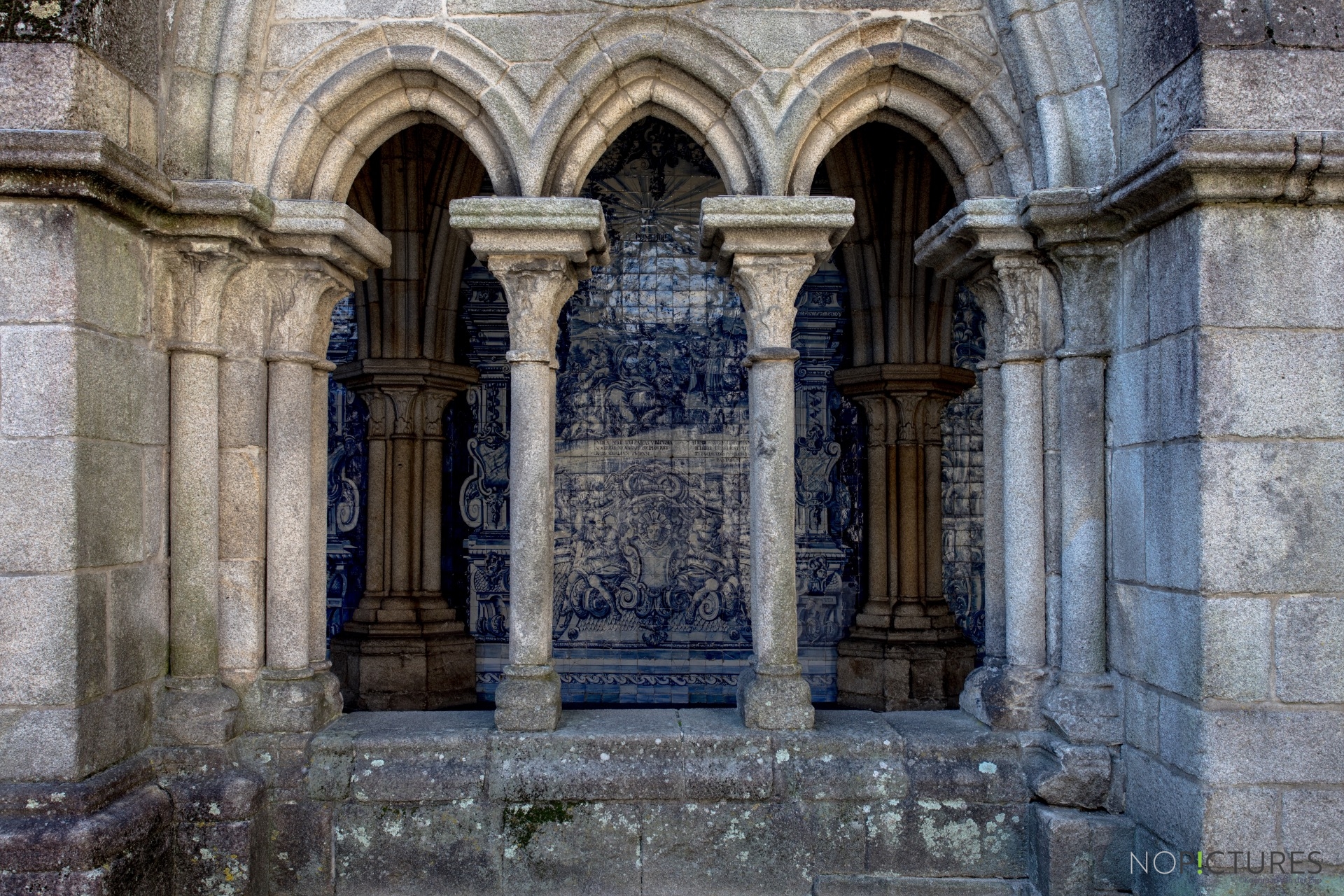
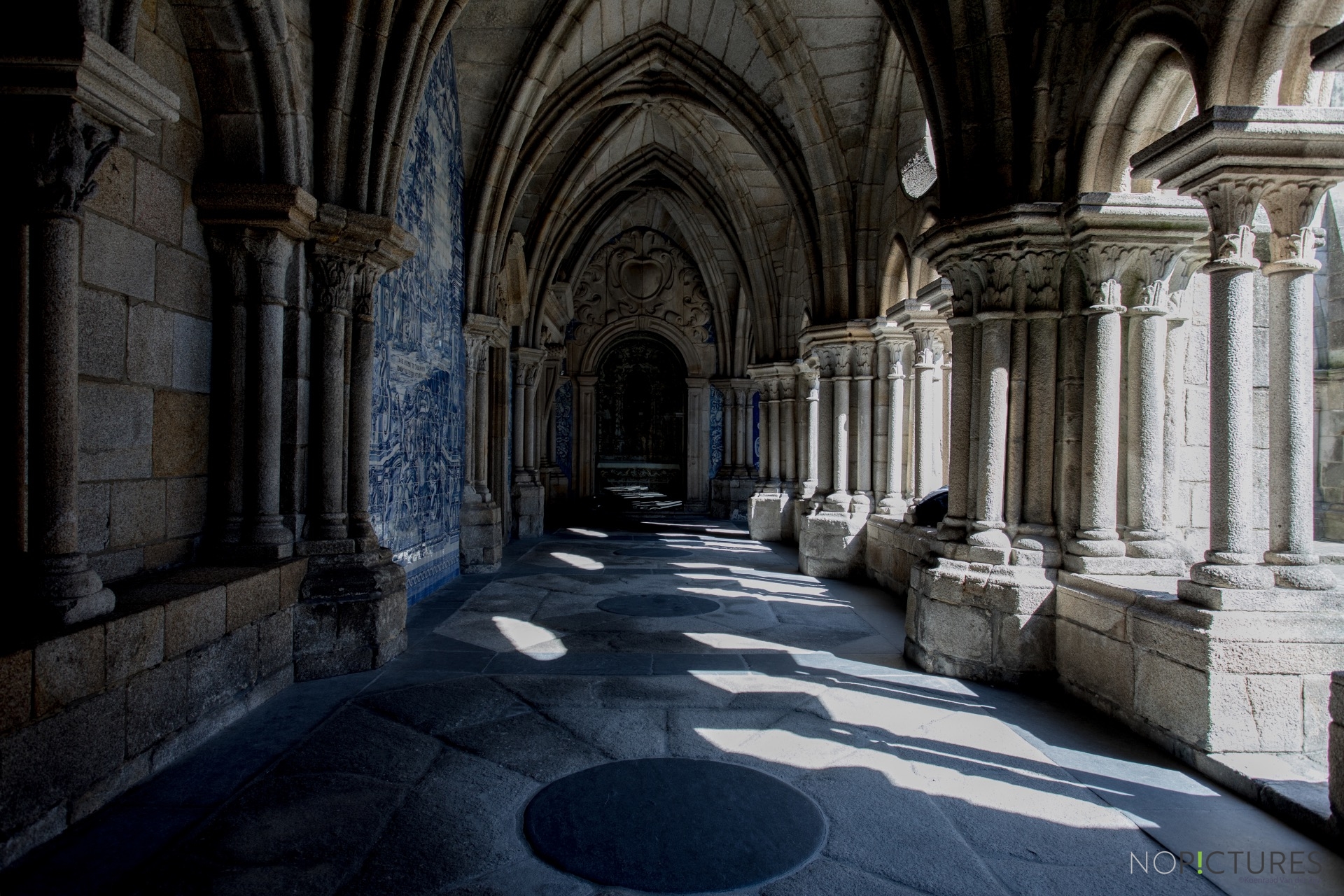
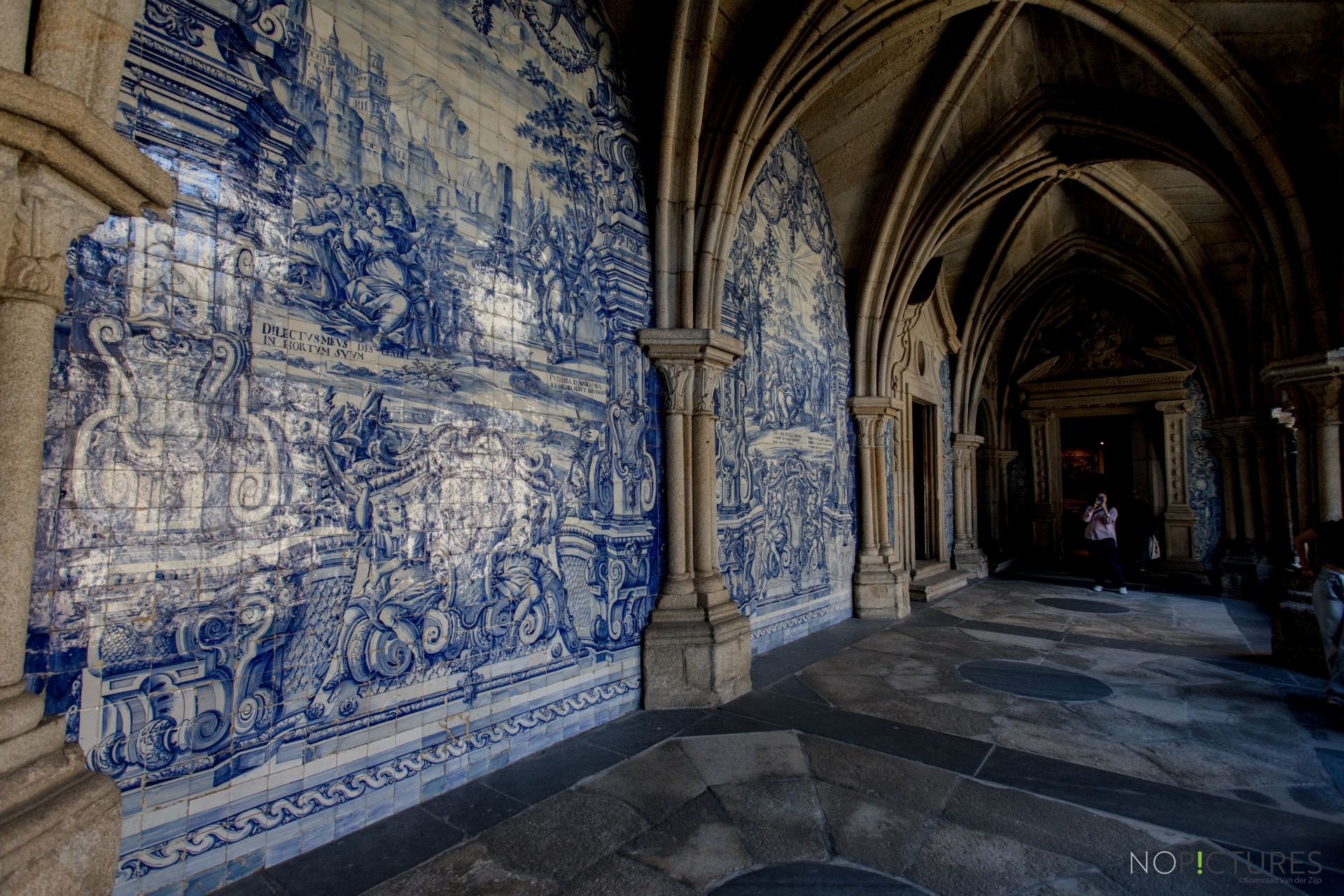
Next to the cathedral stands a Gothic monastery (on your right as you enter the cathedral). The cloister in this 14th-century monastery was entirely decorated with blue and white azulejo panels around 1730. The artist Valentim de Almeida painted scenes from the life of the Virgin Mary.
The Monastery has also a terrace situated higher up which you can visit via a granite staircase. From here, you have a magnificent view of the historic part of the city
Spending a whole day walking around naturally gives you an appetite, and makes you thirsty.
Luckily Porto is the perfect place for this. From small bites to jamón and fish dishes, you’ll find it all here.
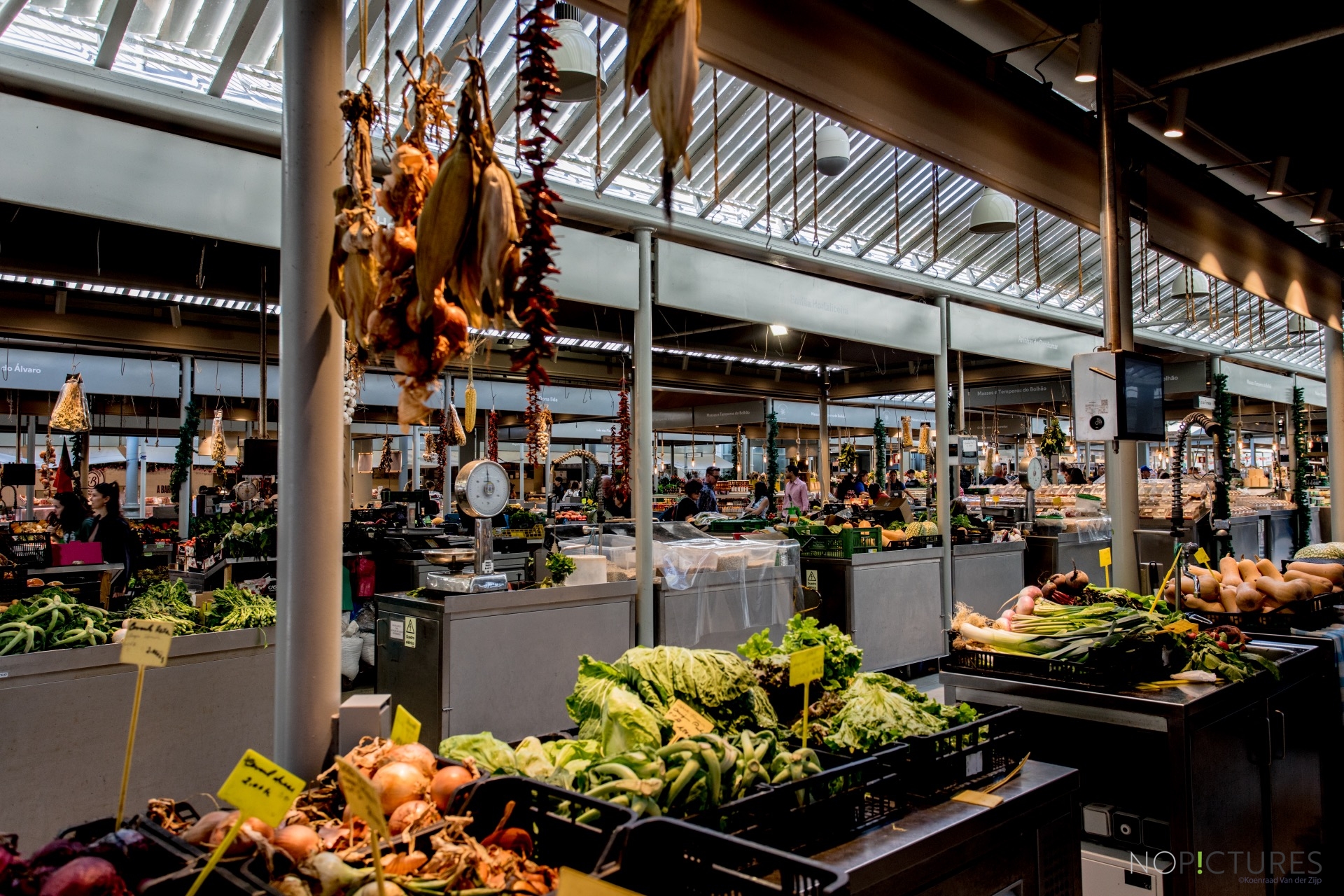
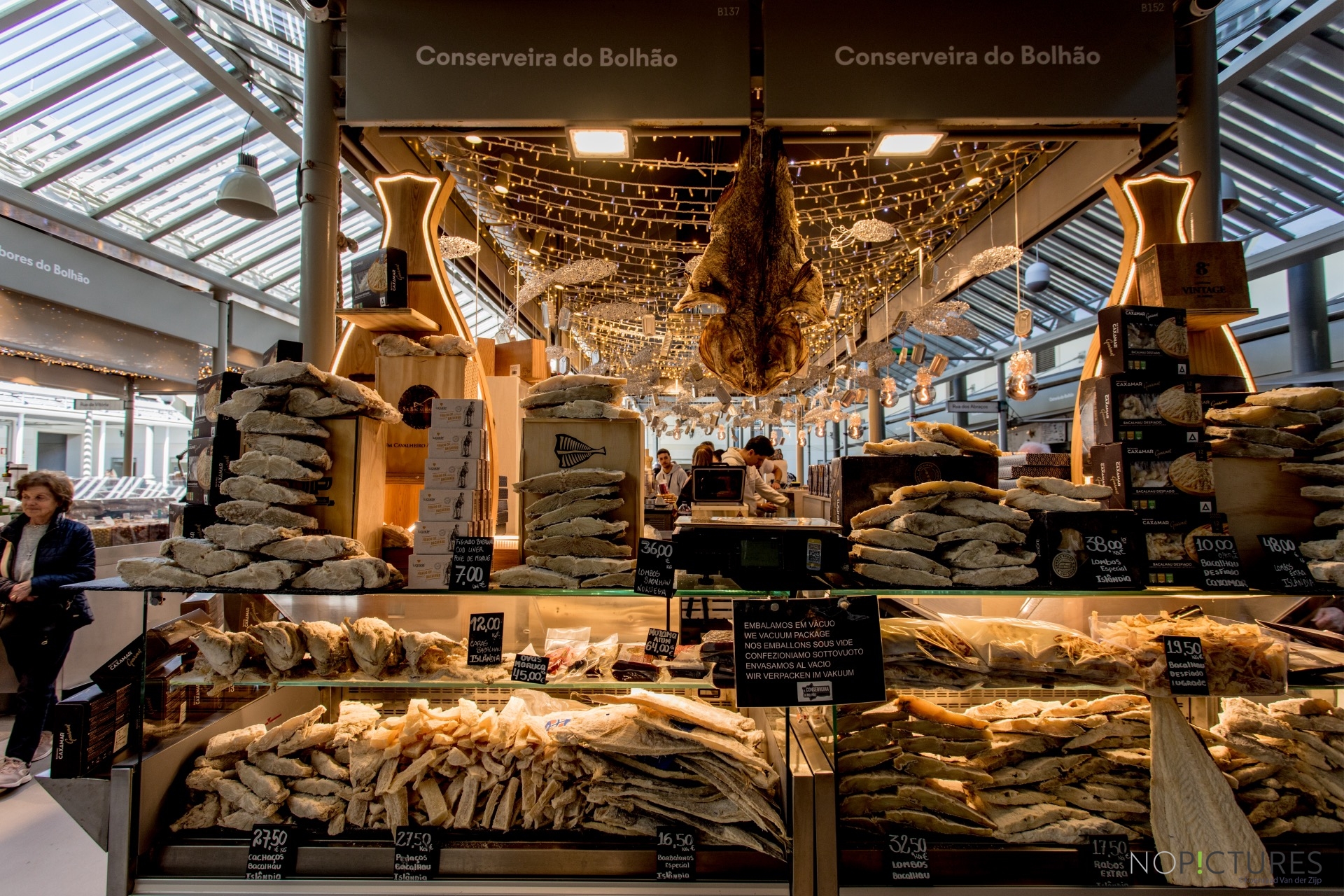
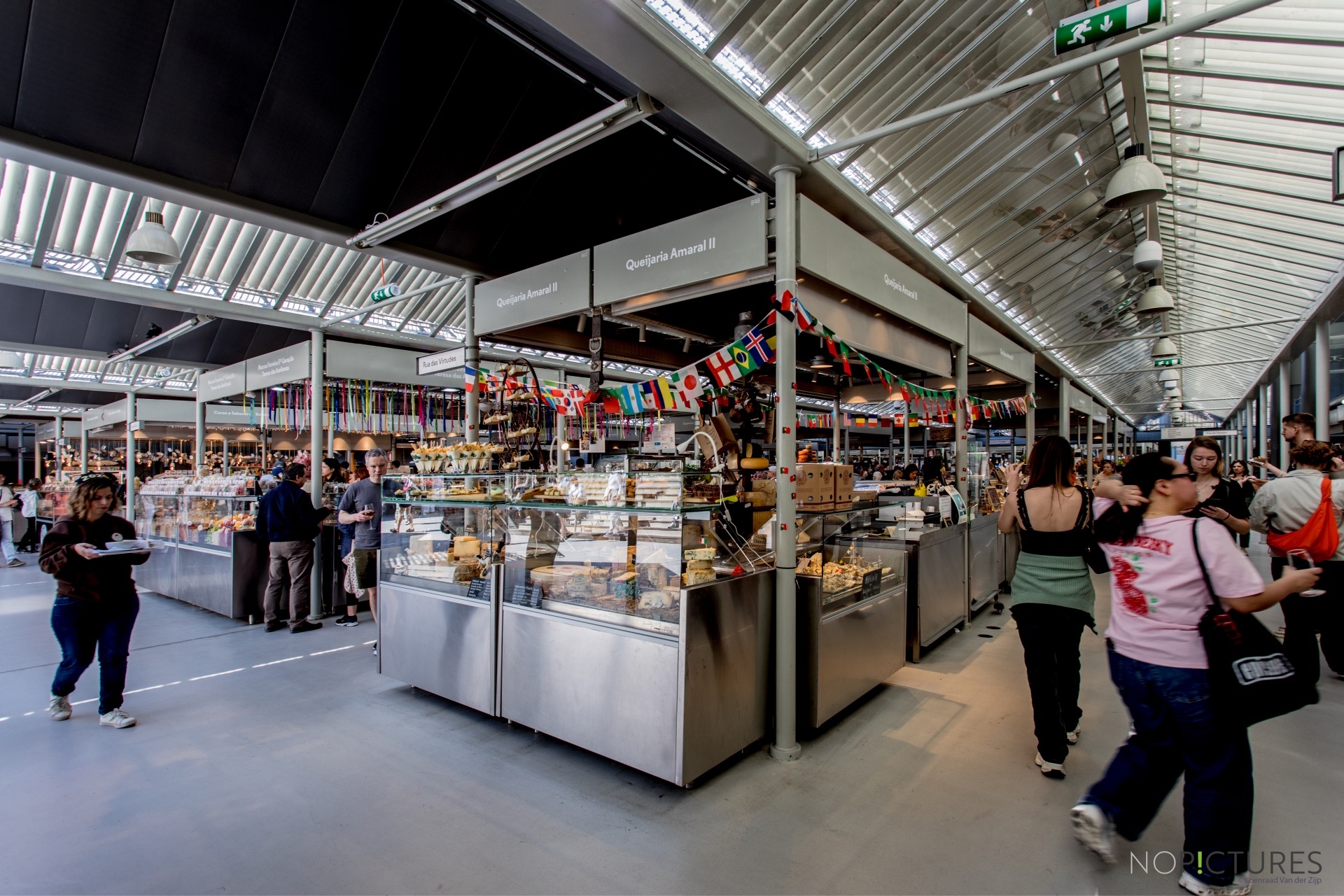
As my wife had visited Porto 20 years ago, she still remembered the address of the covered market, Mercado do Bolhão.
Markets like this always have a great atmosphere and a cosy feel.
We were really surprised to find that this market looked rather sterile.
It turned out that it had been completely renovated in 2018. Due to the outdated drainage system, there had been a plague of rats, and on top of that, the structure of the entire building was in very poor condition. It reopened in September 2022.
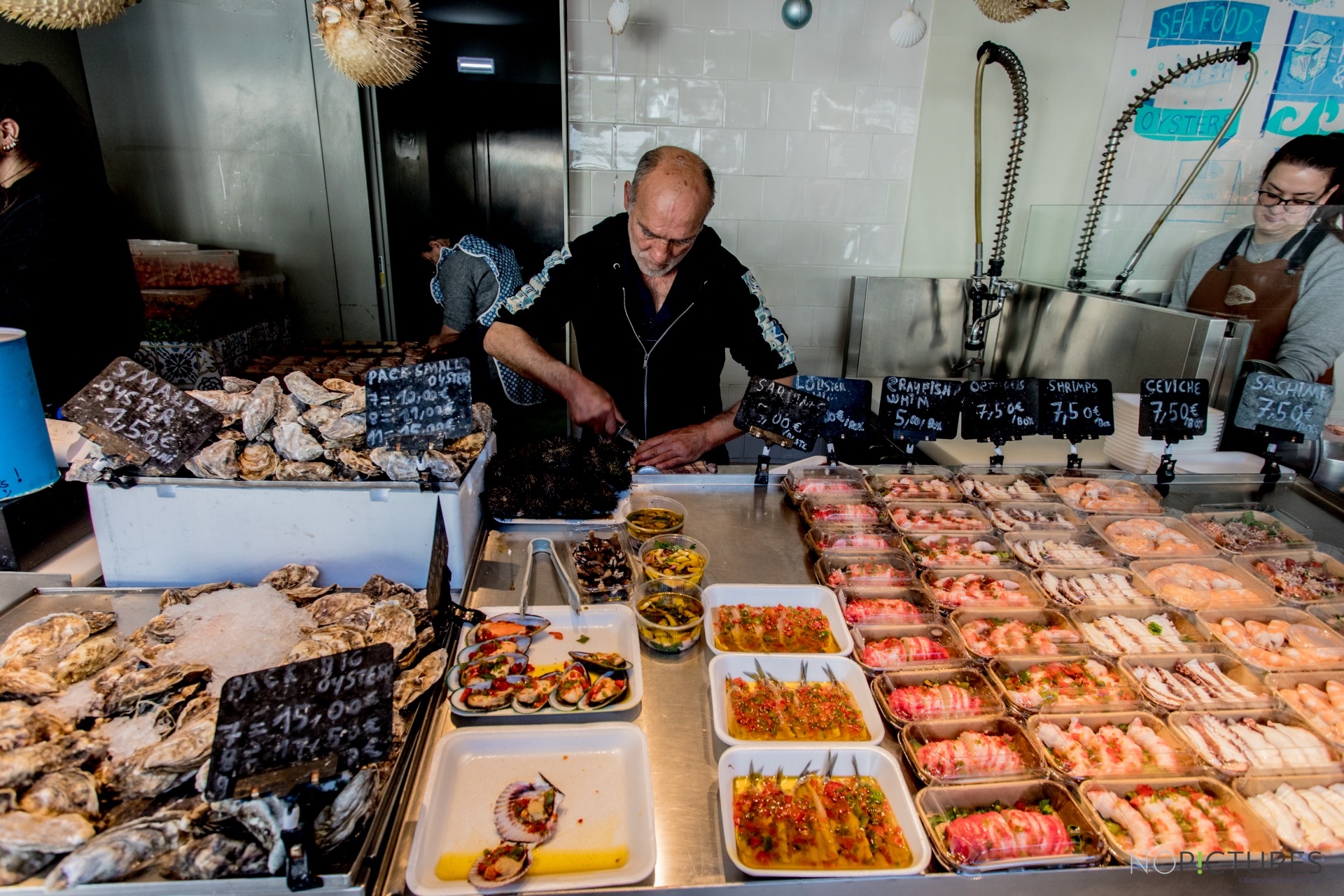
After all, evolution is simply part of life. So we didn’t dwell on it for long and enjoyed a good glass of wine and some oysters.
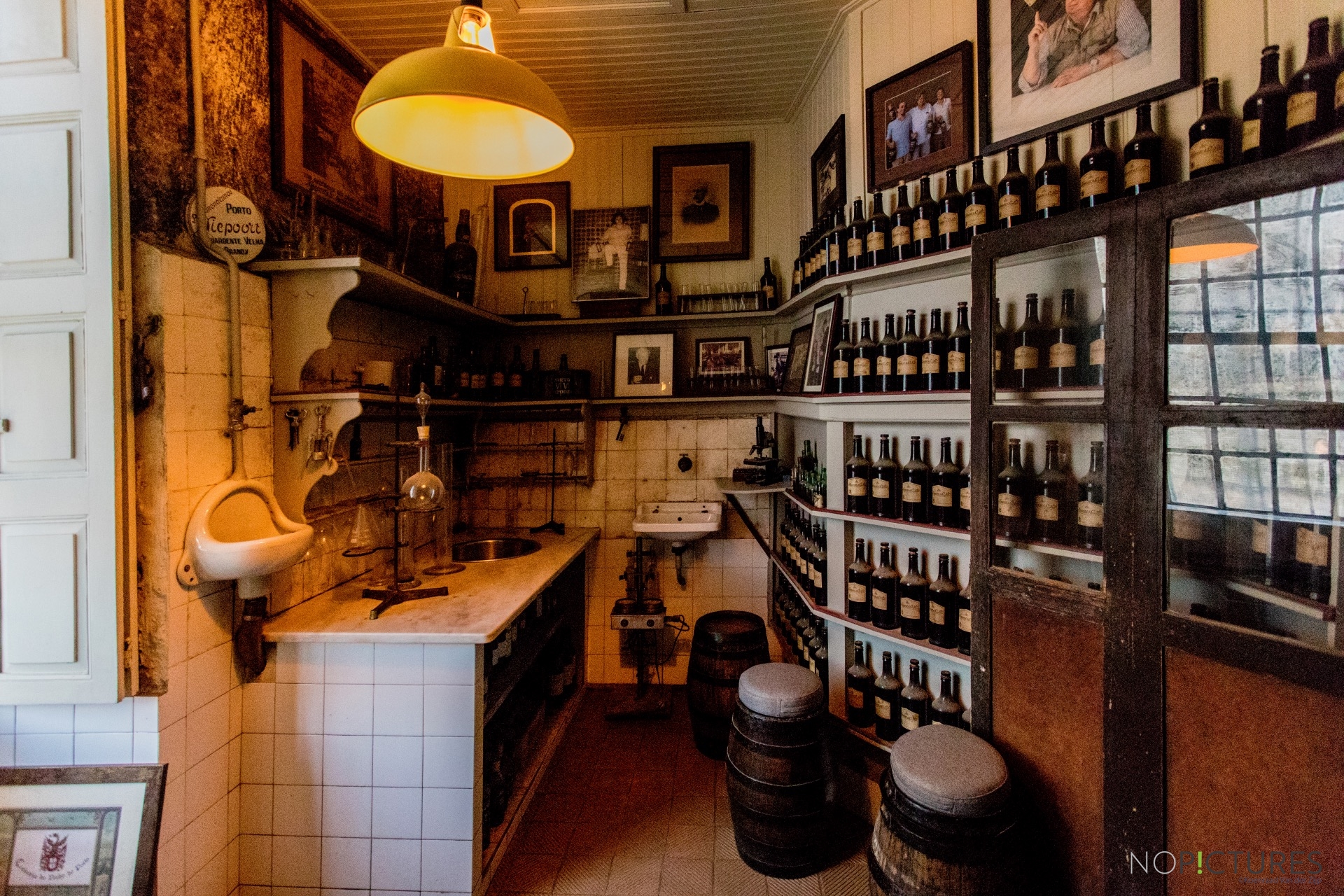
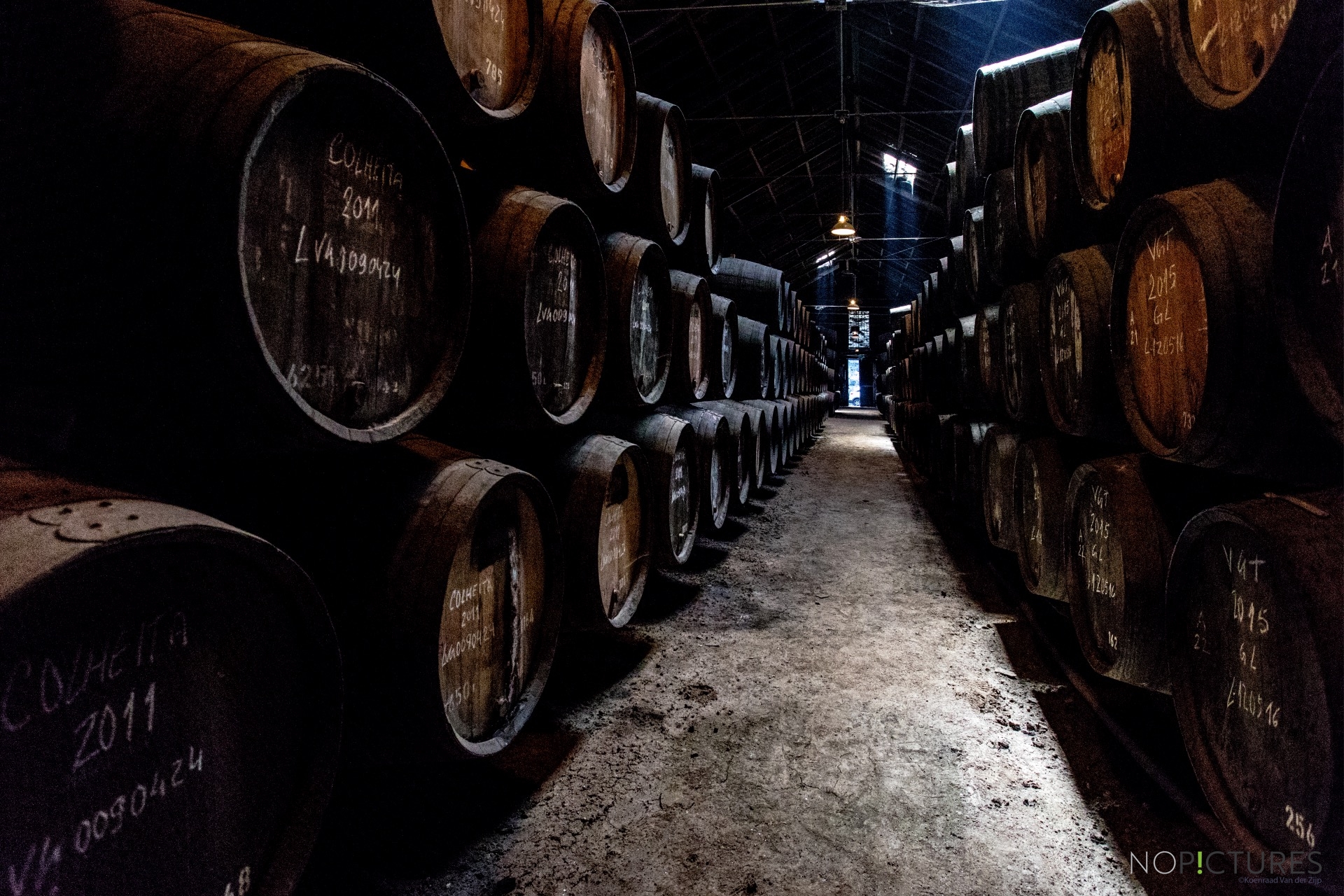
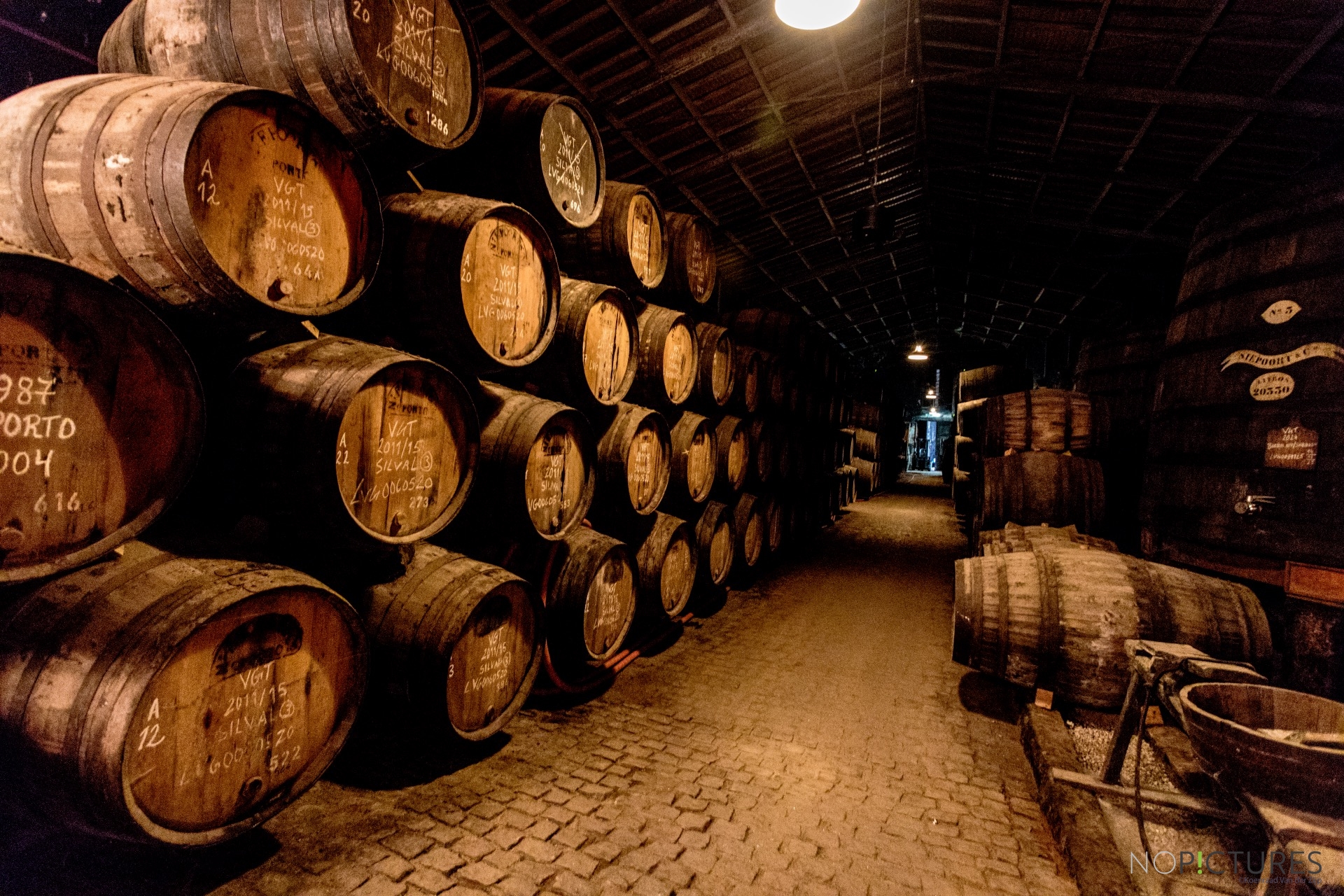
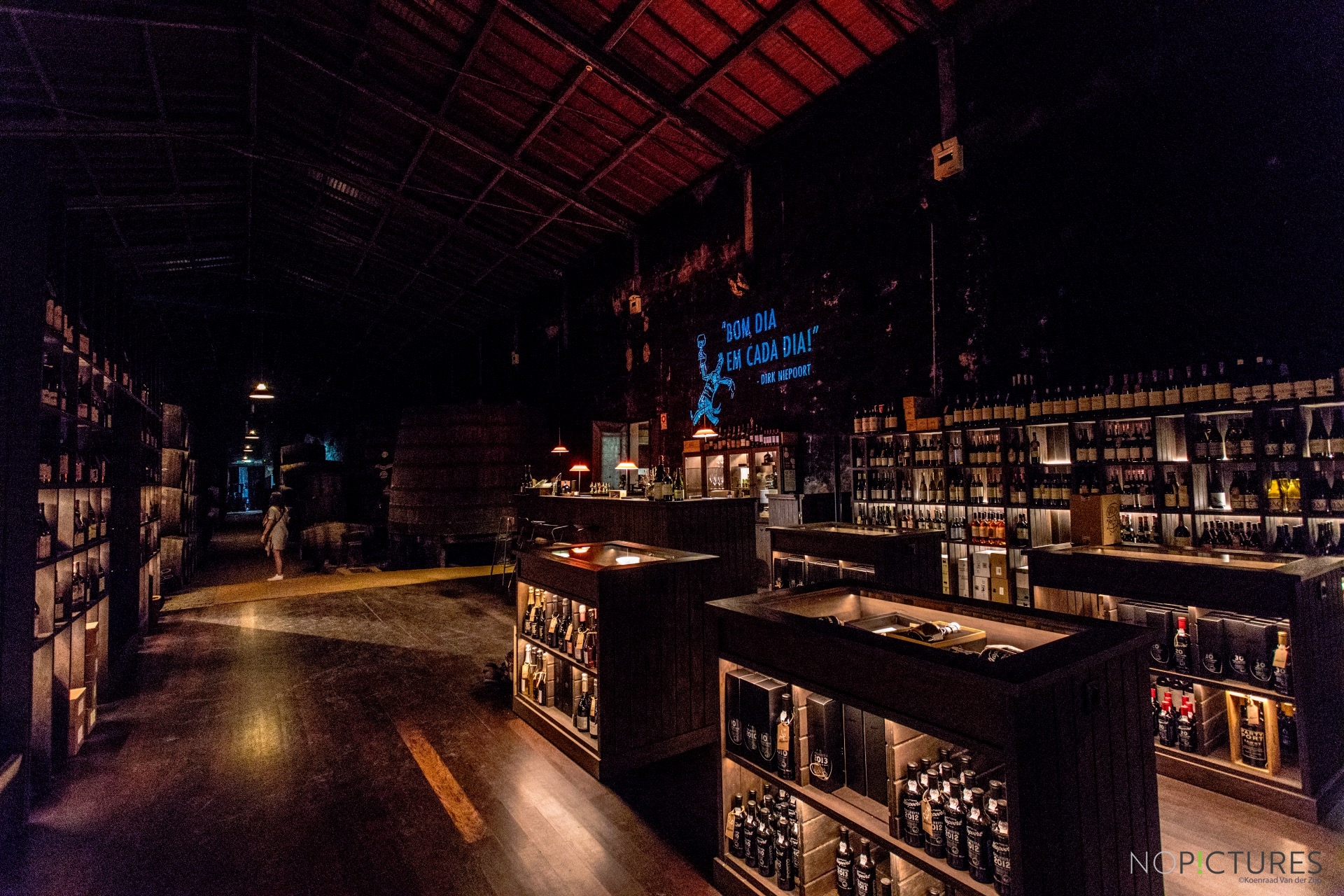
I remember from my childhood that there was always Port in my father’s bar.
Usually the Niepoort brand. And guess what – they’re based in Porto. So a visit was definitely a must.
Luckily, my wife also enjoys drinking Port wine.

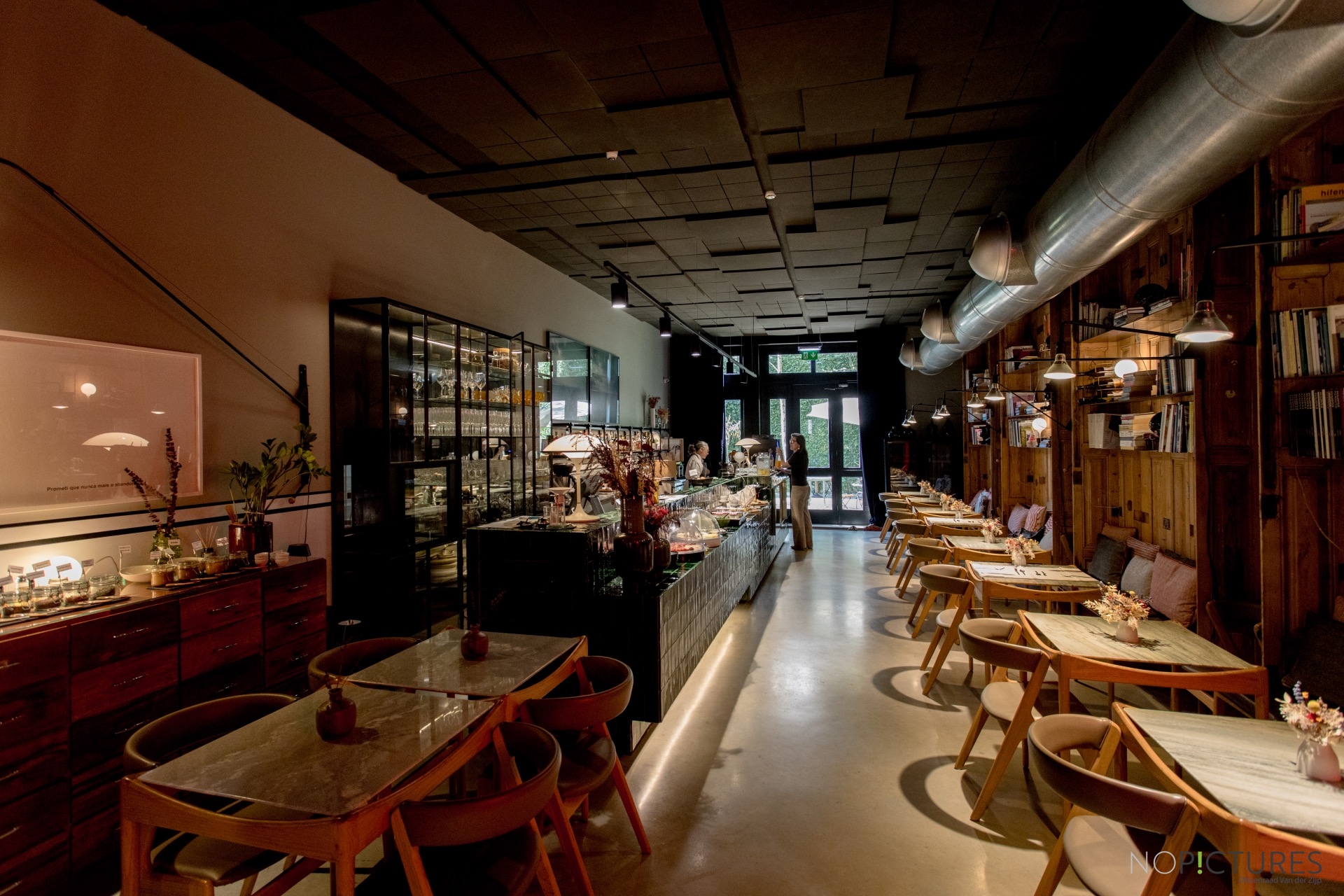
We stayed at the Tipografia Do Conto hotel; situated just outside the busy city centre, it’s a great base for exploring the city.
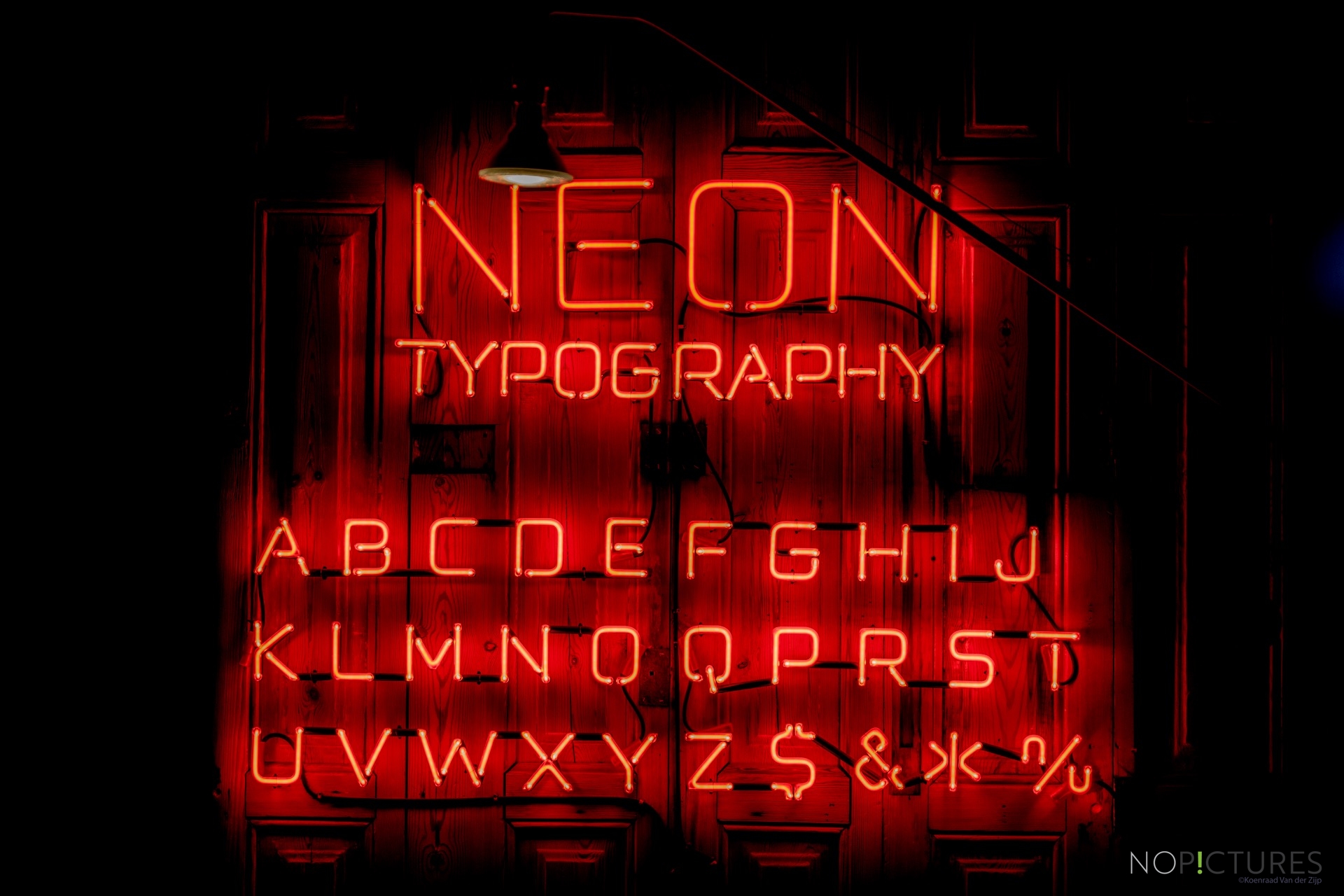
What’s more, architecturally speaking, it was a beautiful building with some lovely details. The original compound from 1916 was originally a typography and graphic workshop.
A lot of concrete was used, featuring bas-relief inscriptions that perfectly capture the ancient building’s history. The entire project was overseen by the architectural firm Pedra Líquida. One of the architects happens to be also the hotel’s owner.
The hotel, the atmosphere and the design aesthetic were entirely to our taste. We hope she gets to realise even more beautiful projects like this in the future. Seems to me that she has a clear vision when it comes to urban development.
Furthermore, we’ve never had such delicious homemade yoghurt for breakfast anywhere else!