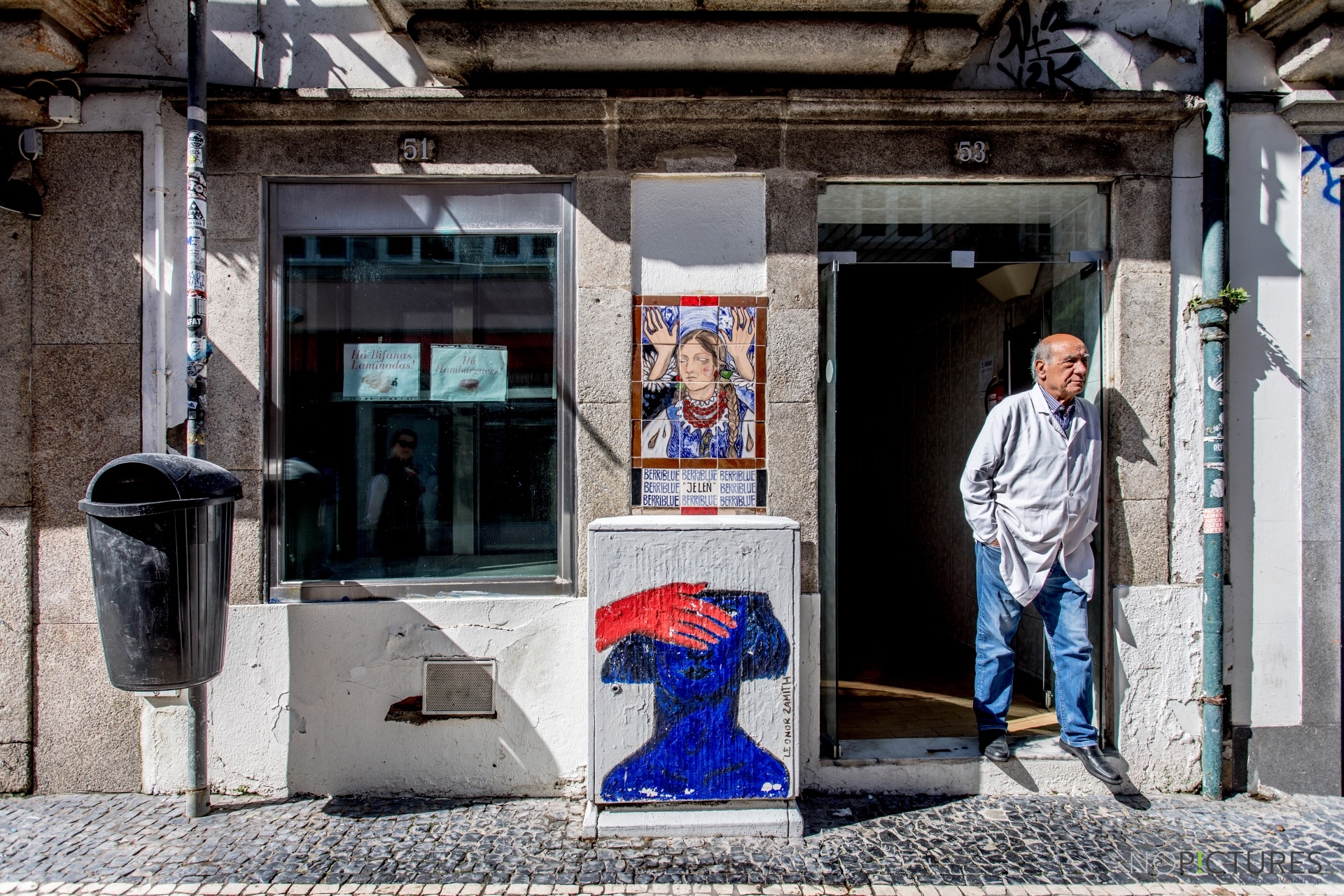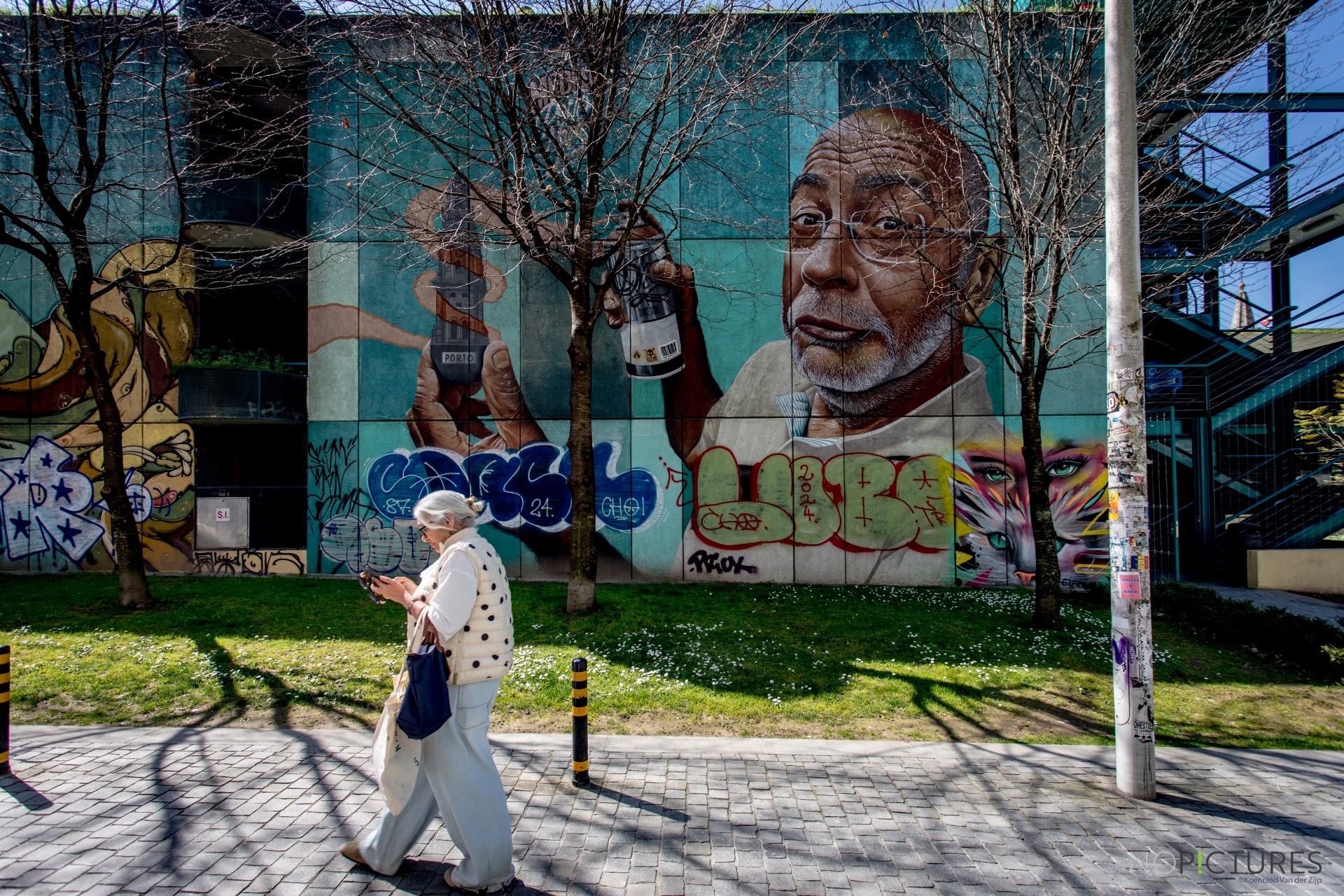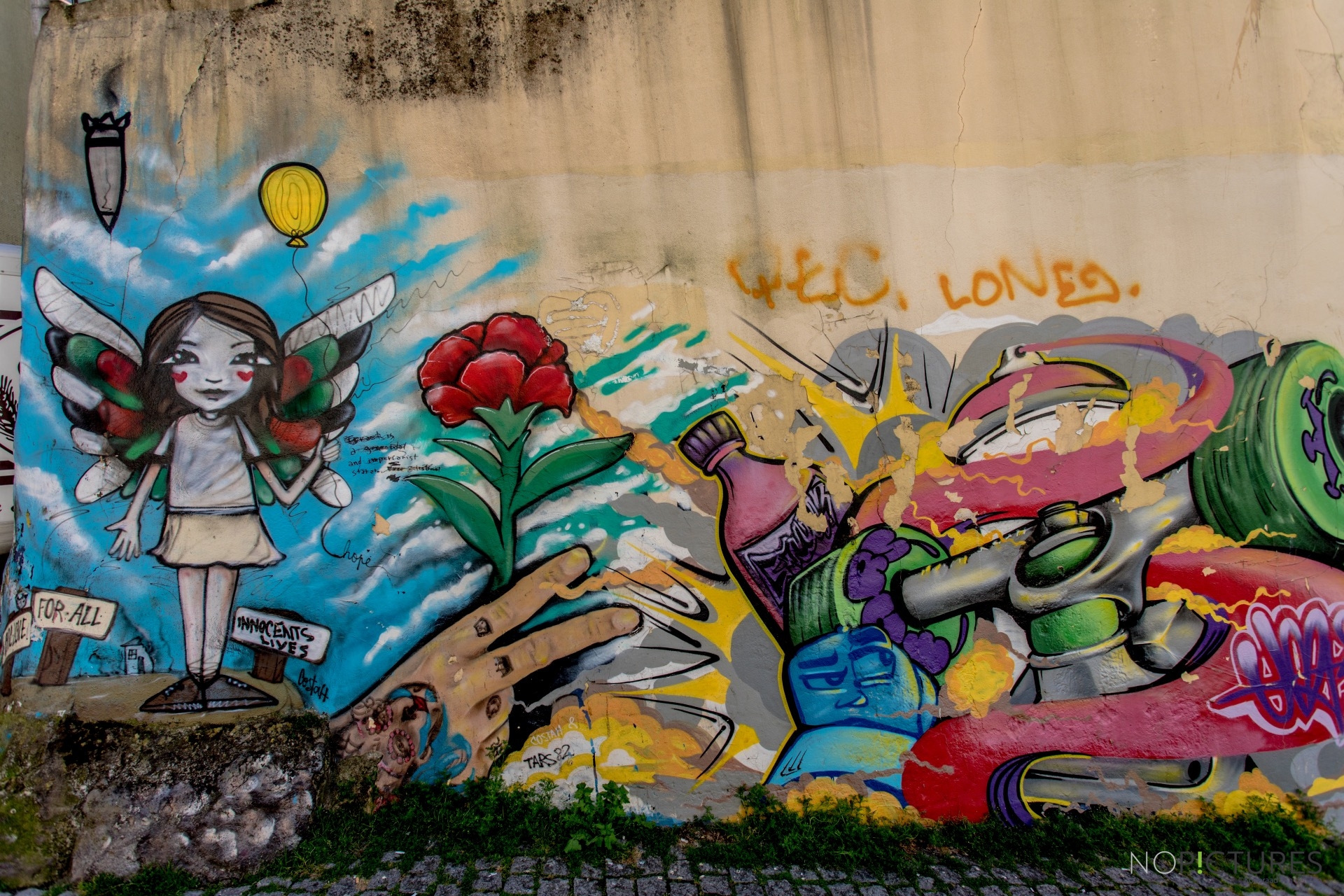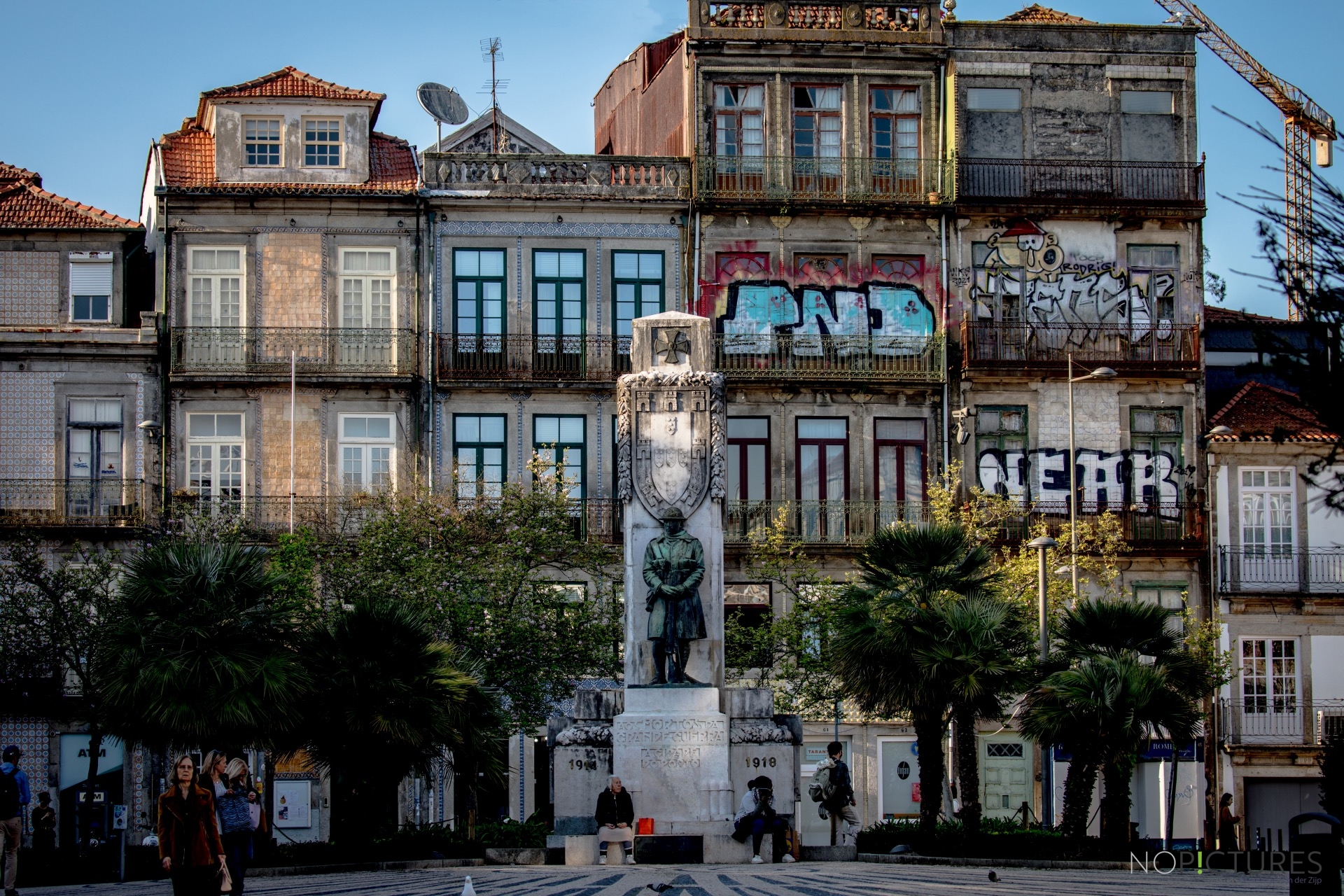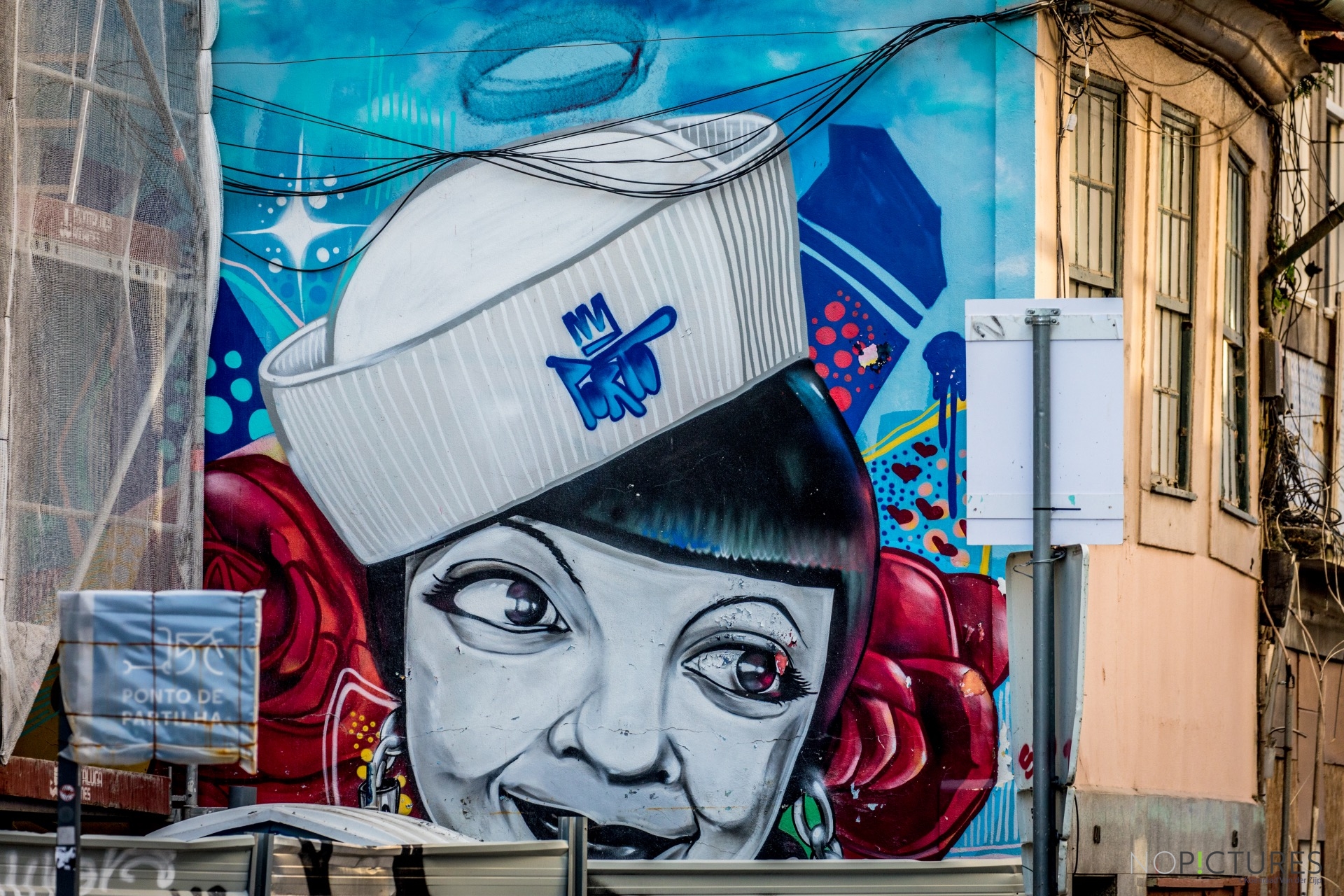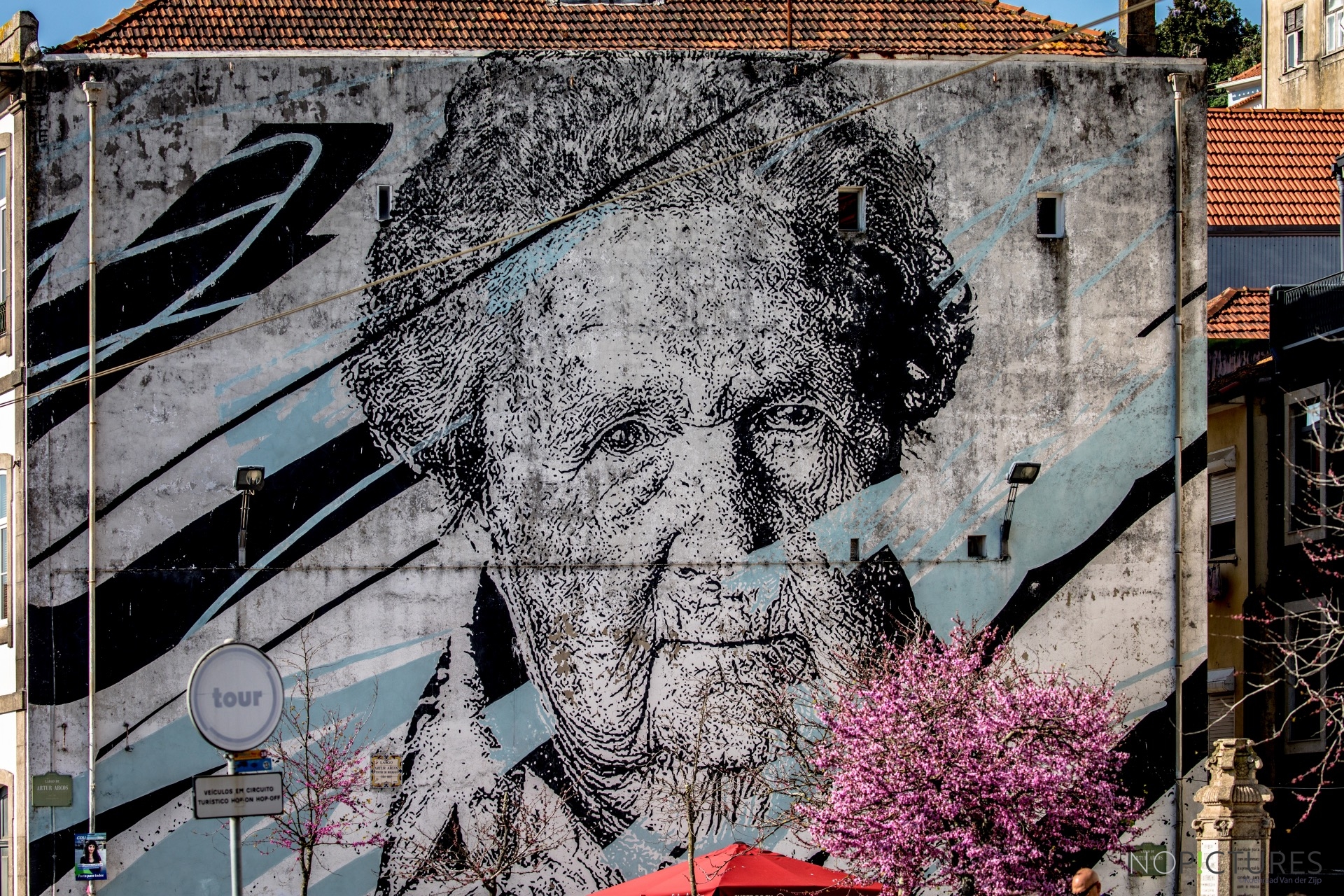
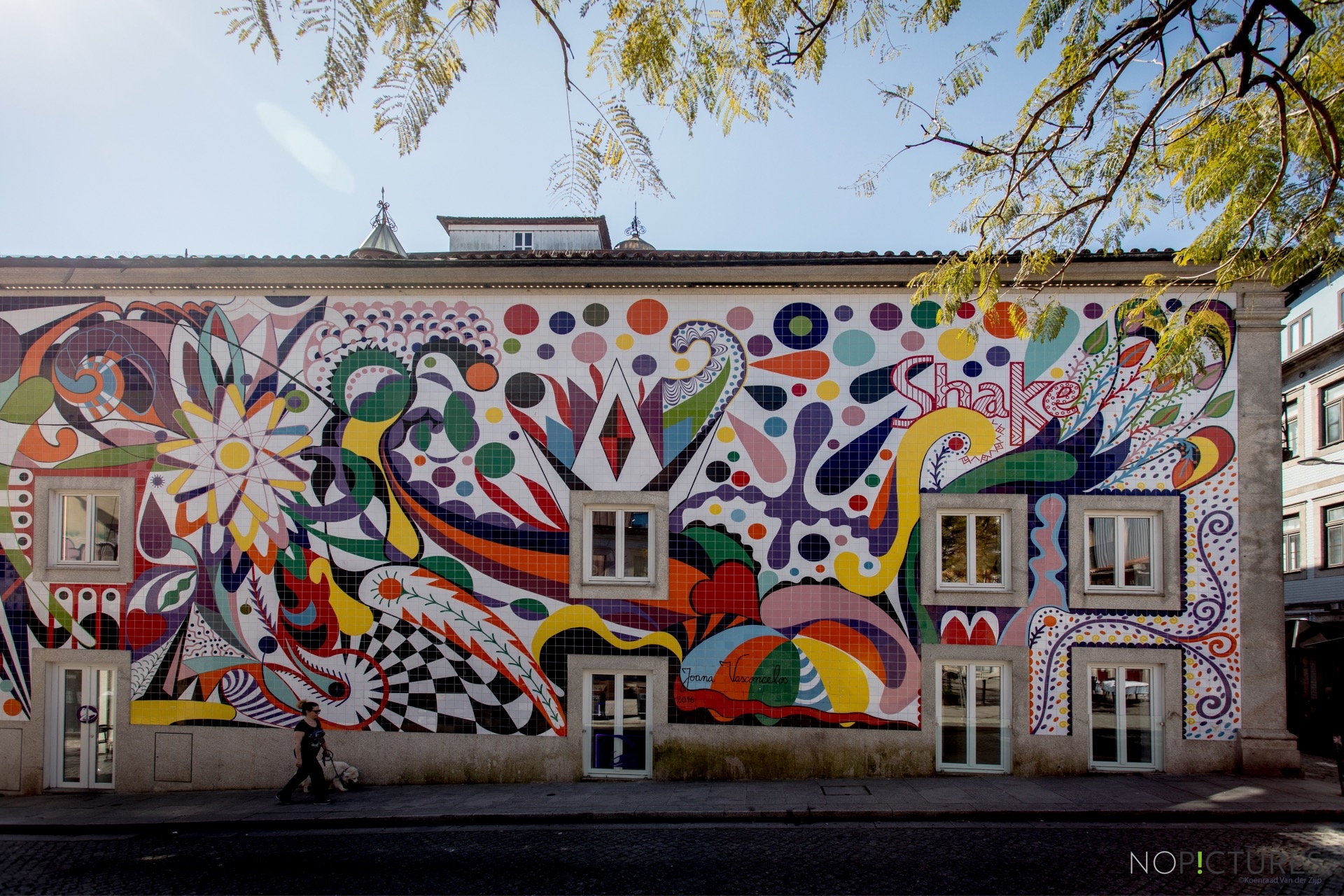
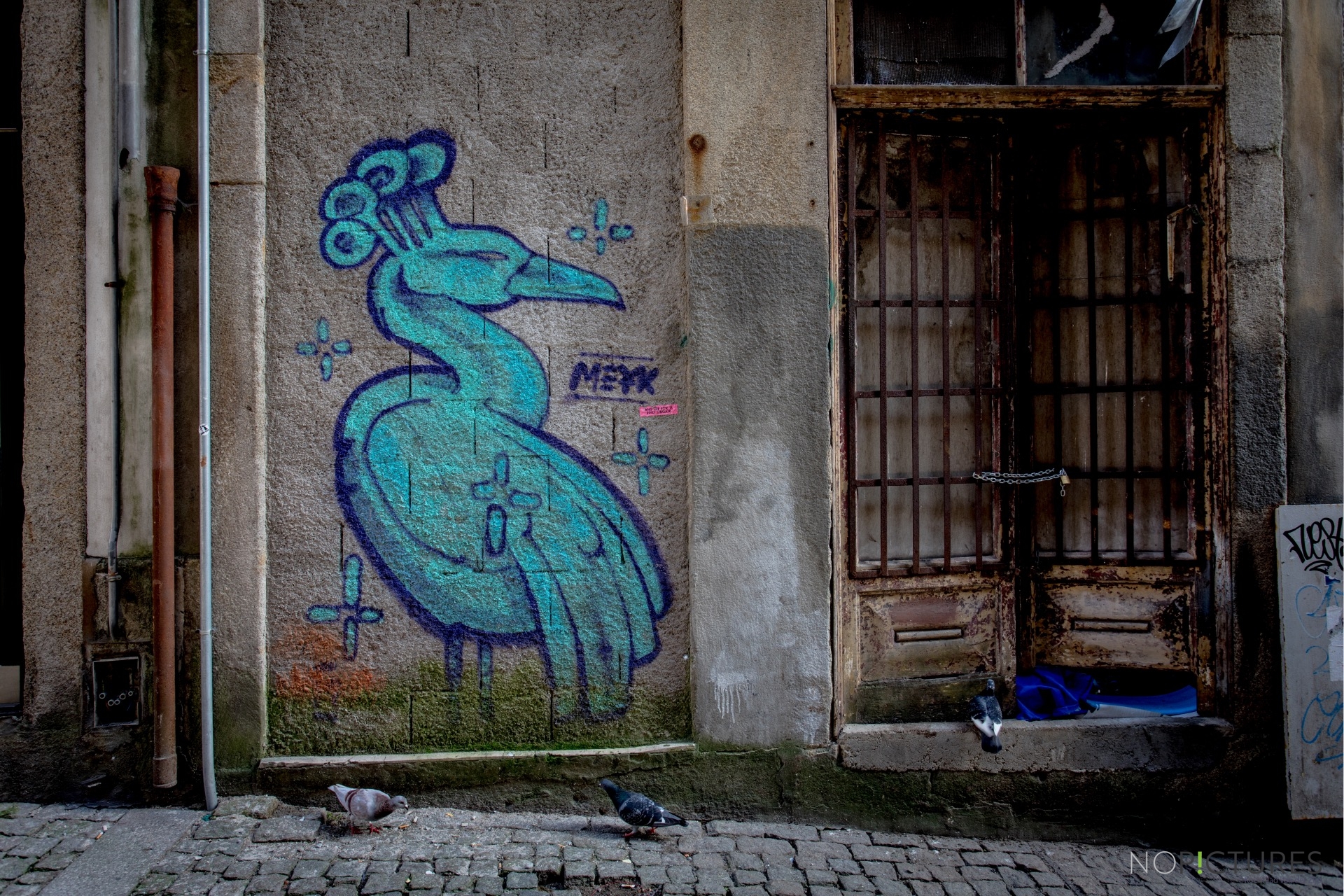
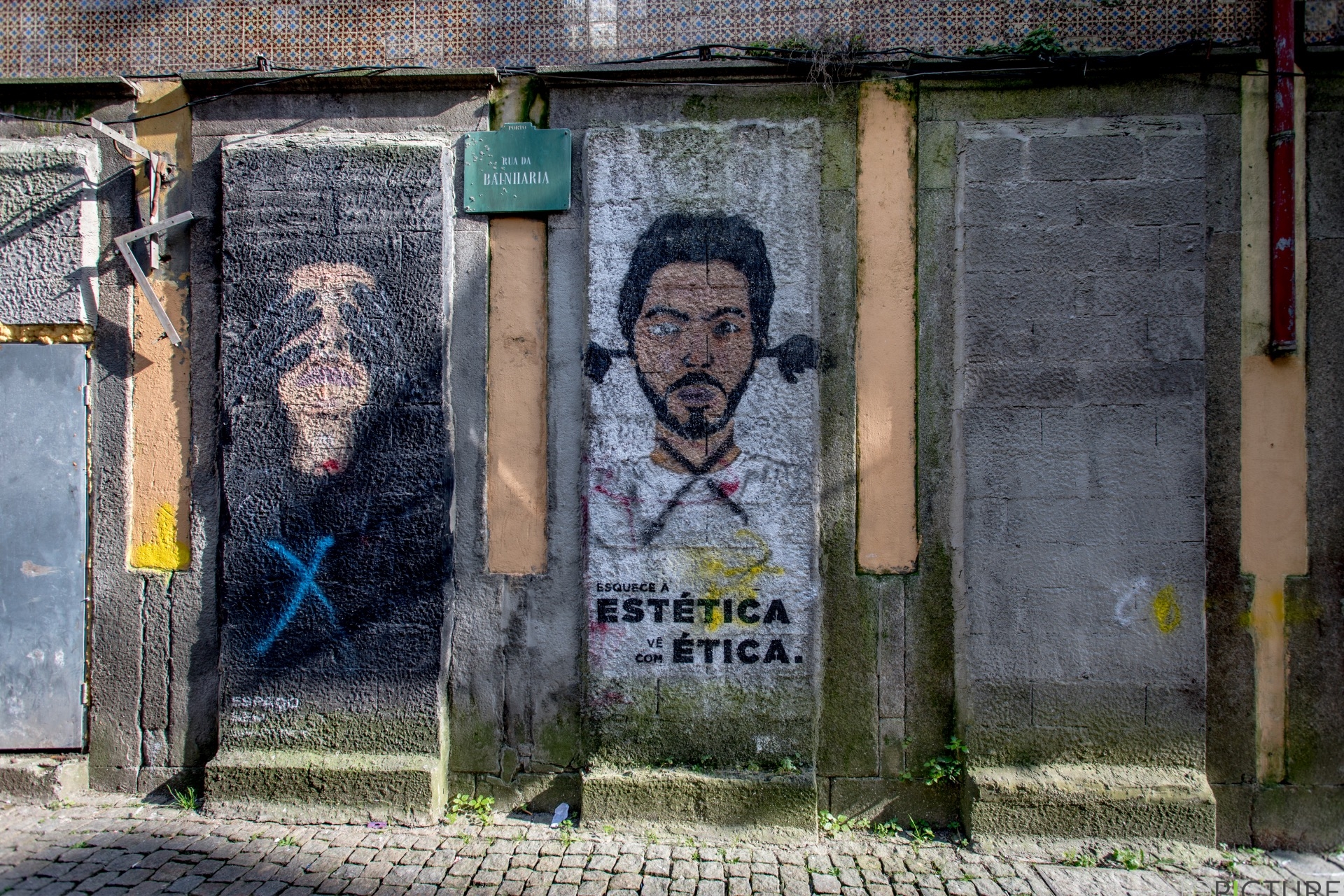
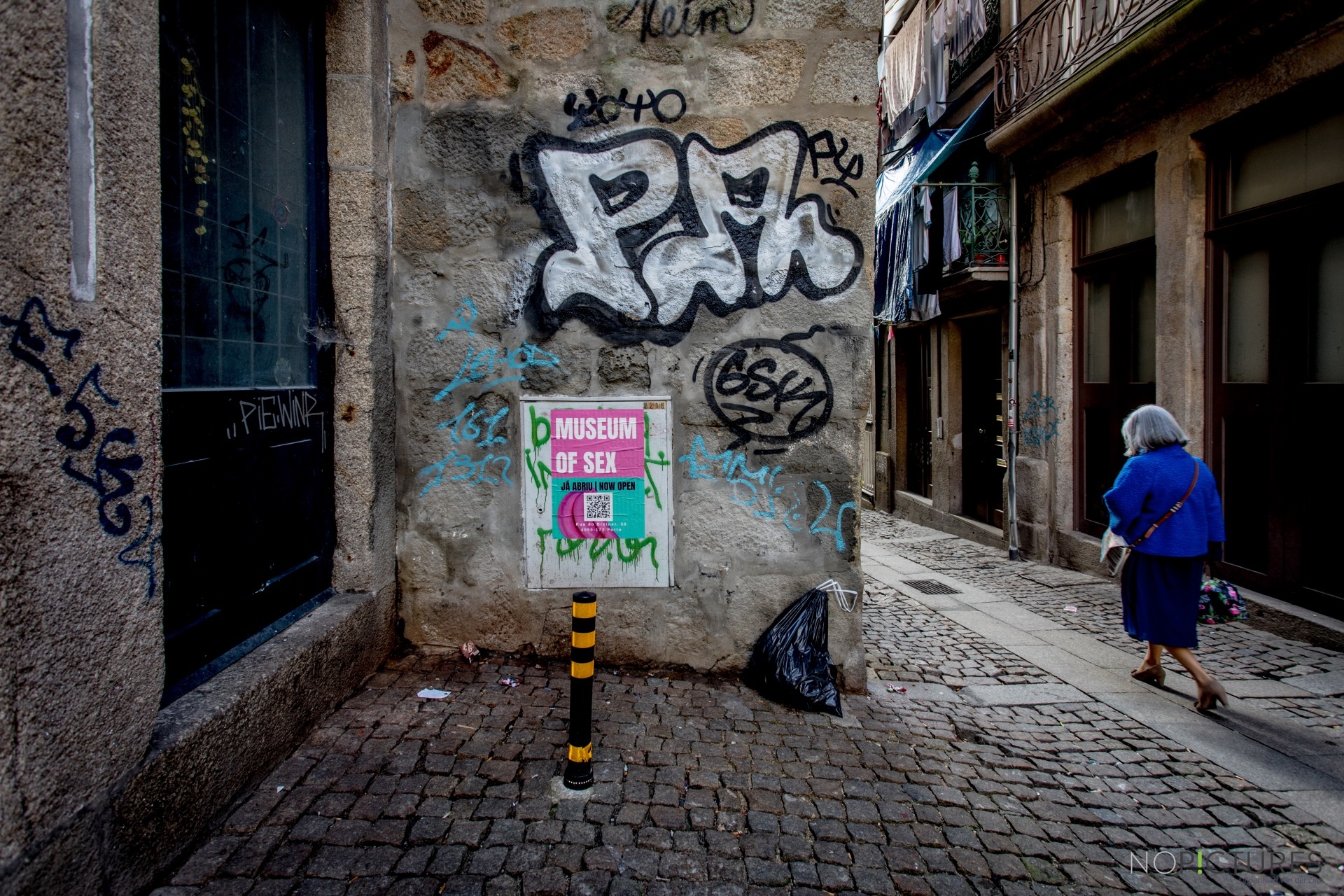
As in most major cities, there’s an abundance of graffiti in Porto too. Each piece is even more colourful and artistic than the last.
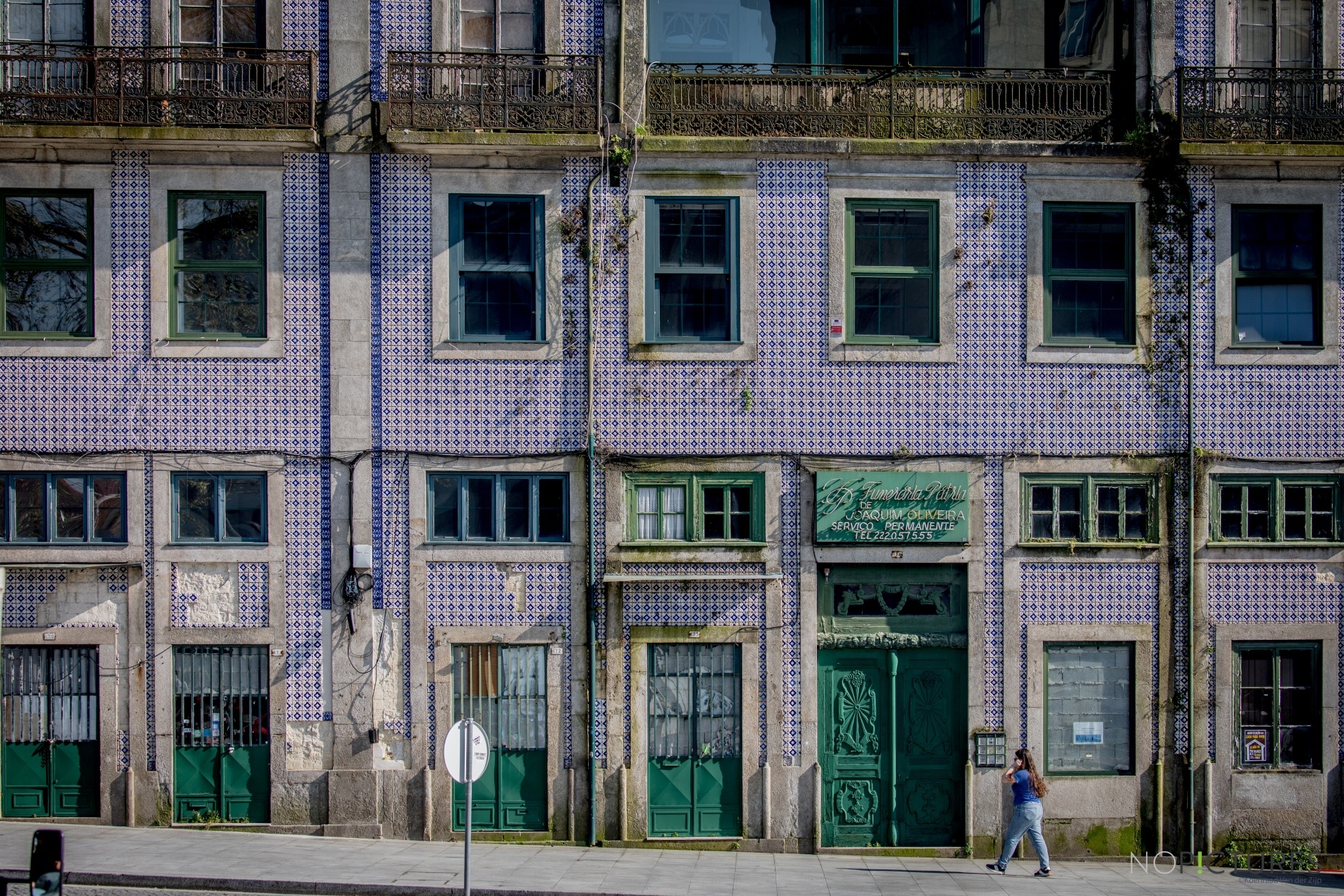
It often adds an extra dimension to the neighbourhood. It immediately feels less gloomy. And it has to be said, this city could do with a thorough revamp. Many buildings are abandoned and are on the verge of collapse.
Enquiries with a few Tripeiros (people of Porto) and a quick Google search reveal that there are several reasons for this:
Outdated Rent Control Laws: Mid-20th-century rent-control regulations (such as legacy rent freezes from the Salazar era and the 1941 Lease Law) forced landlords to charge extremely low, fixed rents.
Inheritance and Ownership Deadlocks: Many historic properties have passed down through generations and are now owned by dozens of distant relatives or untraceable heirs.
Strict Heritage Regulations: As a UNESCO World Heritage site, Porto enforces stringent preservation rules—such as requiring owners to preserve original stone facades or traditional architectural elements.
High Renovation Costs: Restoring decaying masonry, timber framing, and old-style utilities in narrow urban lots requires specialized labor and high capital, making it difficult for average local owners to afford comprehensive fixes.
That said, the city certainly radiates charm.
The narrow alleyways and the fact that it’s built on a slope along the river are real assets.
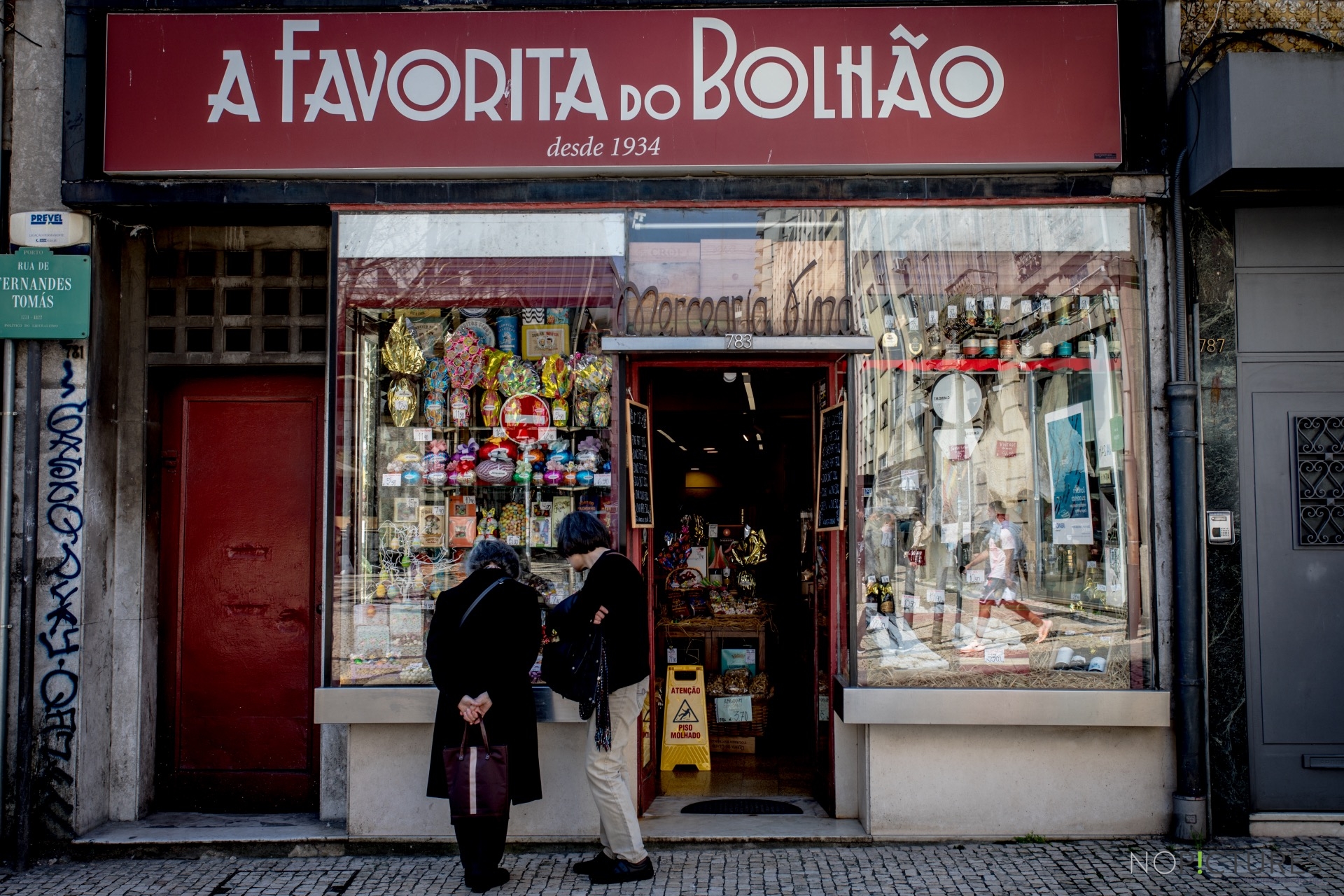
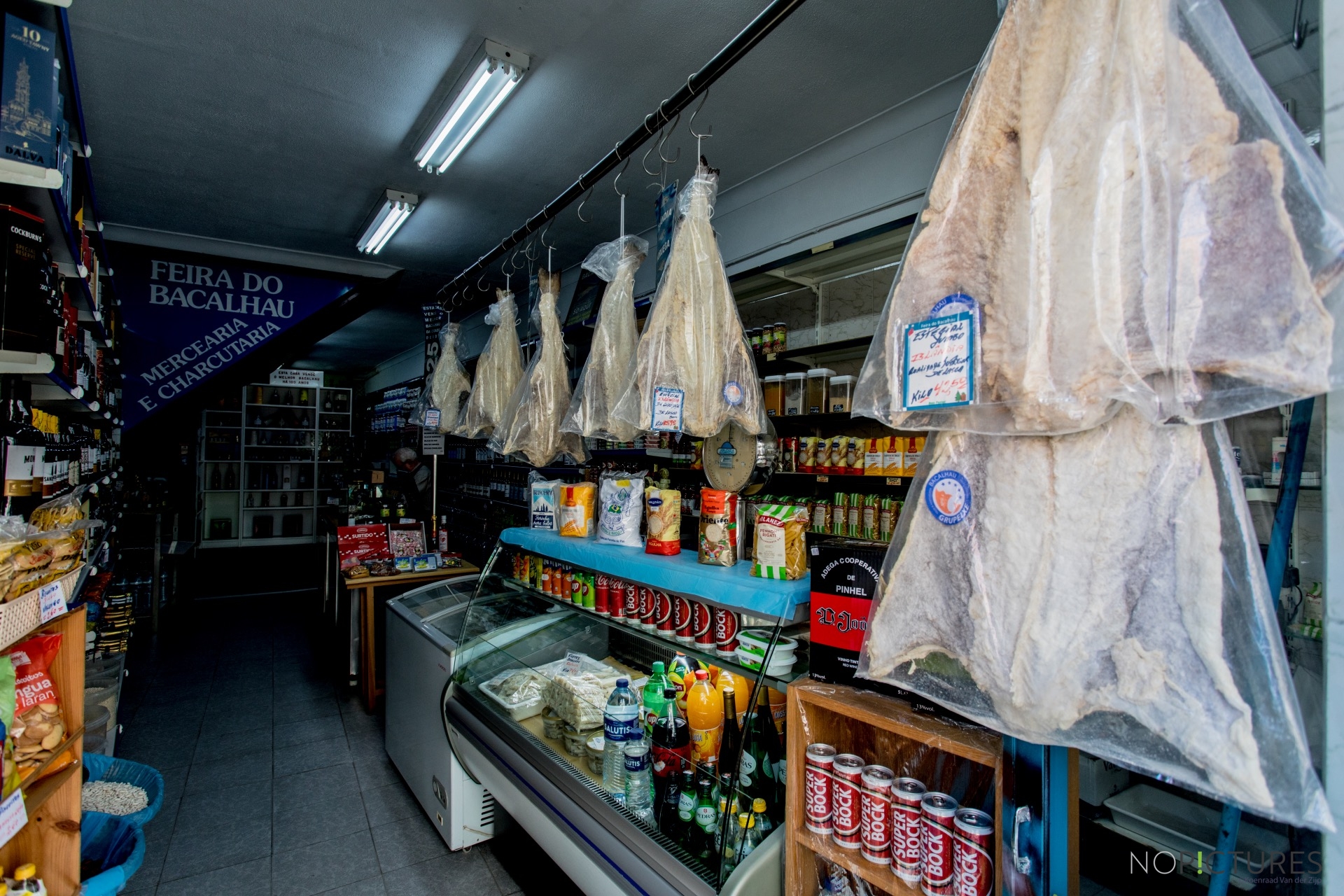
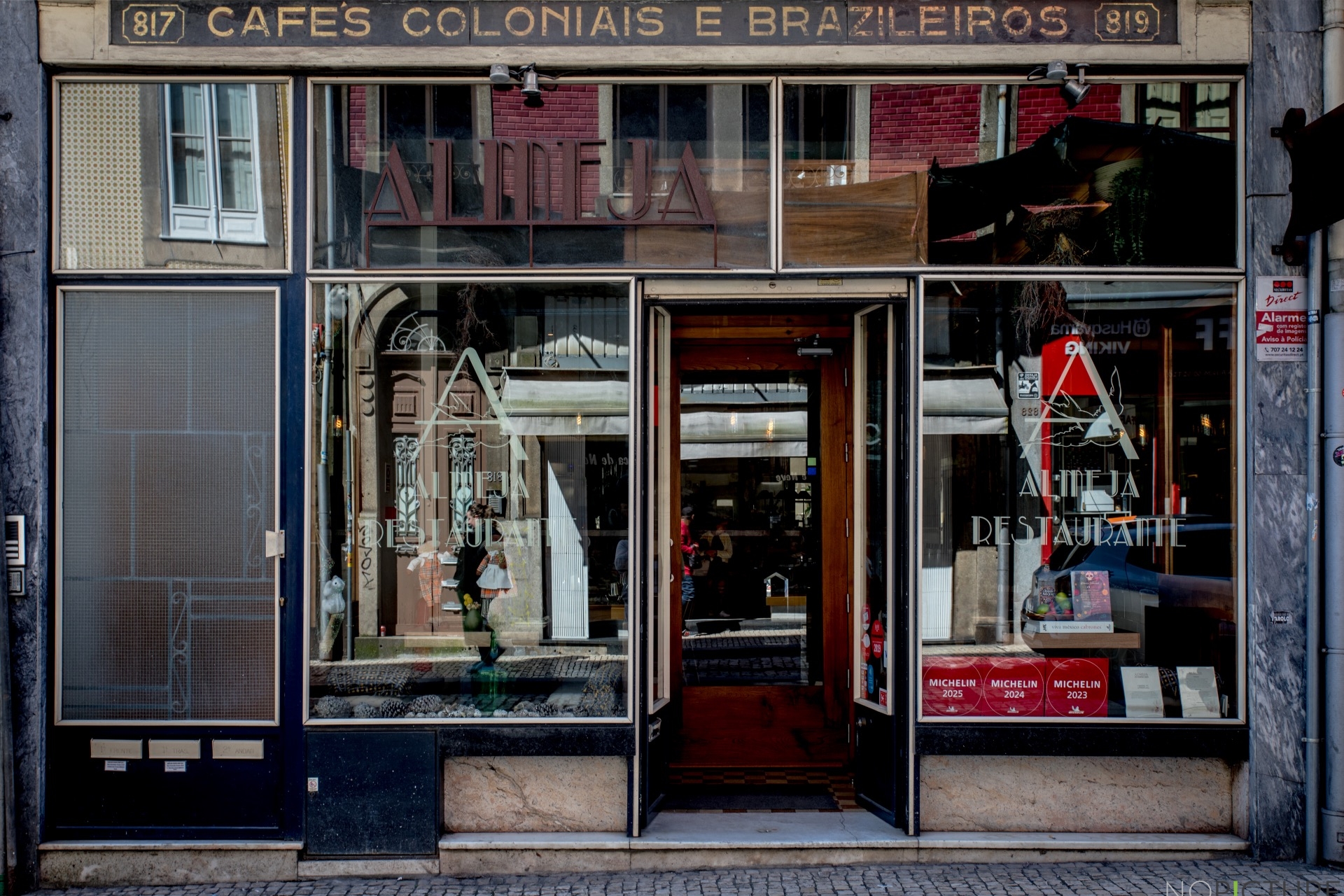
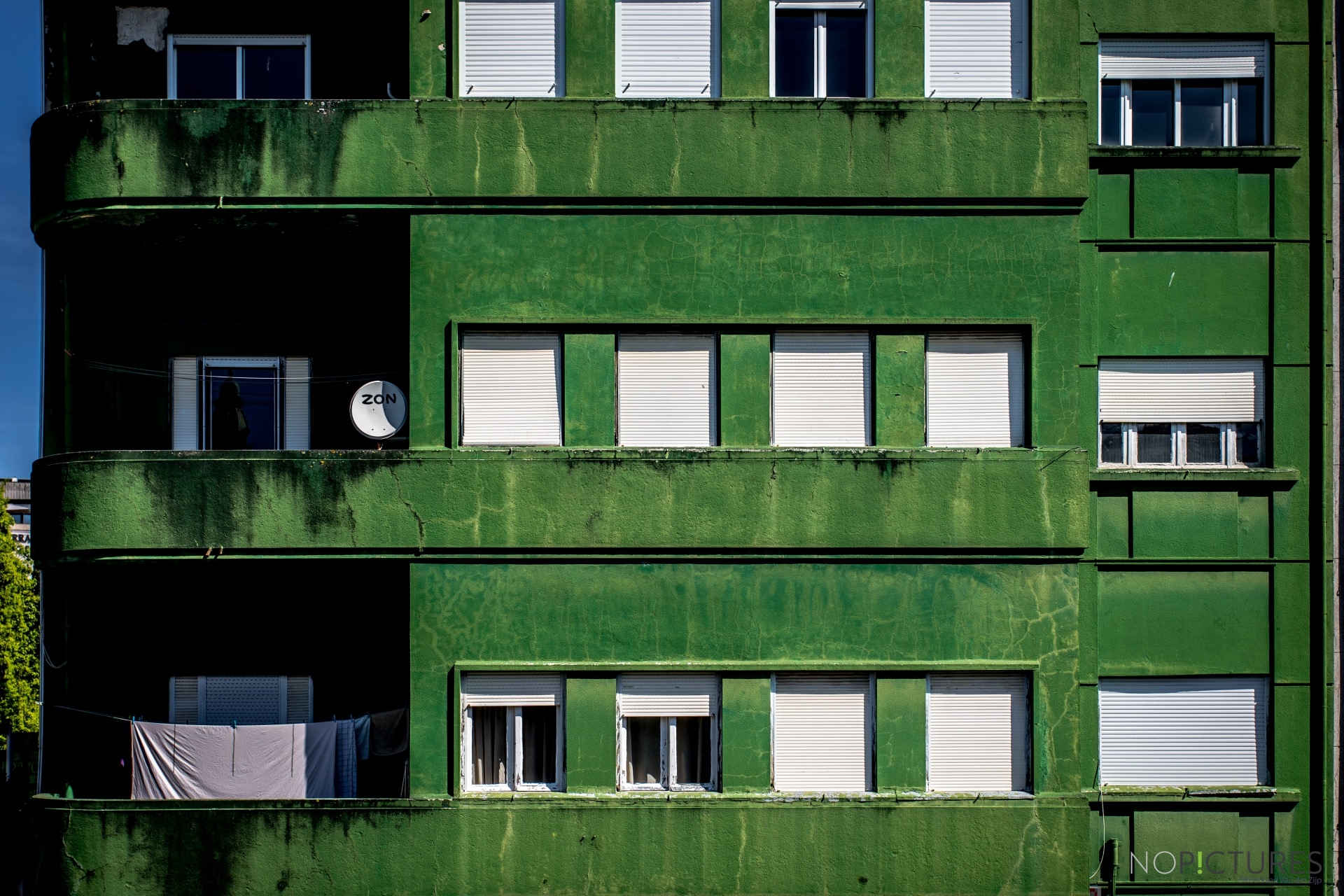
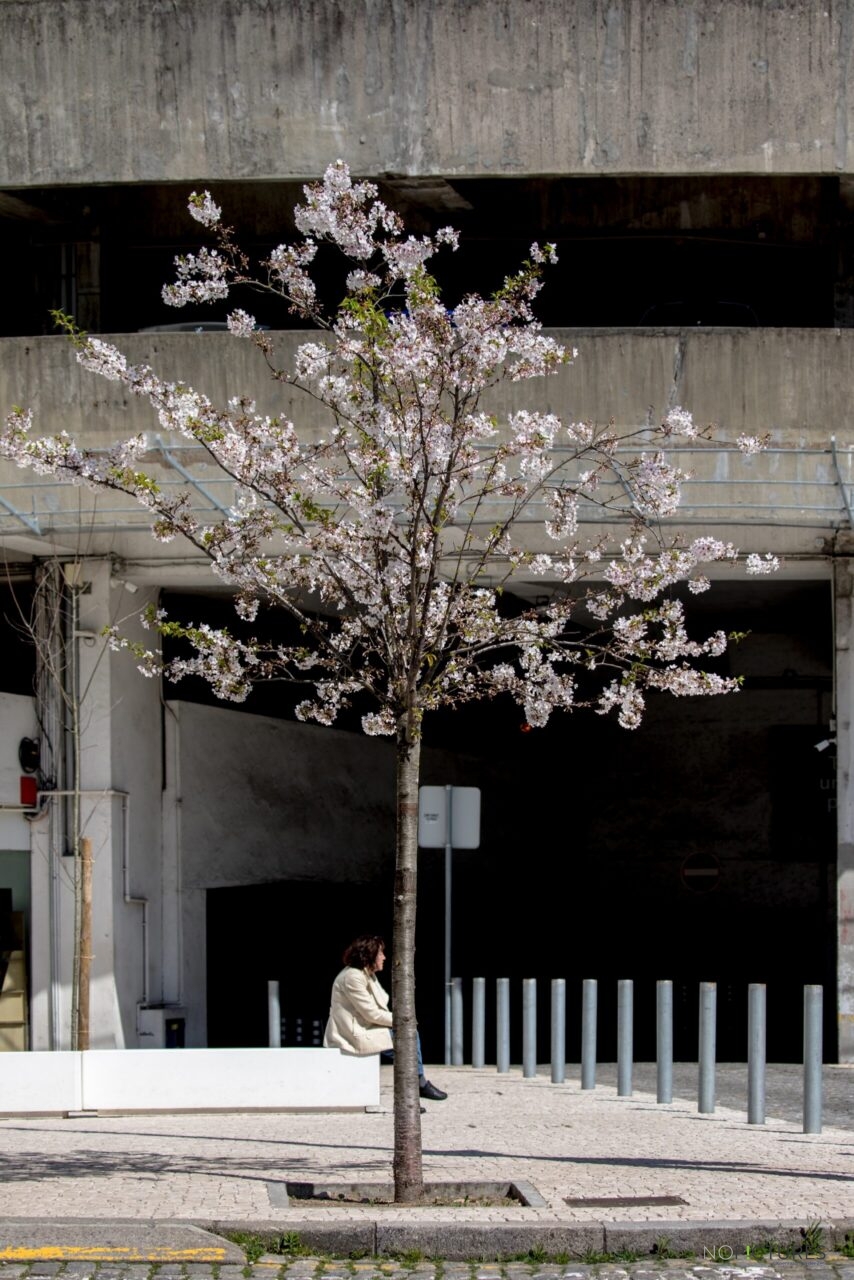
The following (picturesque) photos were taken during our long walks we went on in Porto.
They capture the atmosphere much better than words ever could.