We landed in Edinburgh on time and are on our way to pick up our rental car. At home we drive an EV but for Scotland we’ve opted for a petrol car with a manual gearbox. After all, driving on the left whilst on holiday must feel a bit like being at the Goodwood Revival festival.
After sorting out the necessary formalities, we arrived at the hotel near Haymarket about 20 minutes later.
We only visited the city highlights as we had quite a lot planned: the Cairngorms National Park, Inverness, the Isle of Skye, Fort William & Ben Nevis, and Glasgow. Our travel plans did, however, get changed a few times due to the weather conditions.
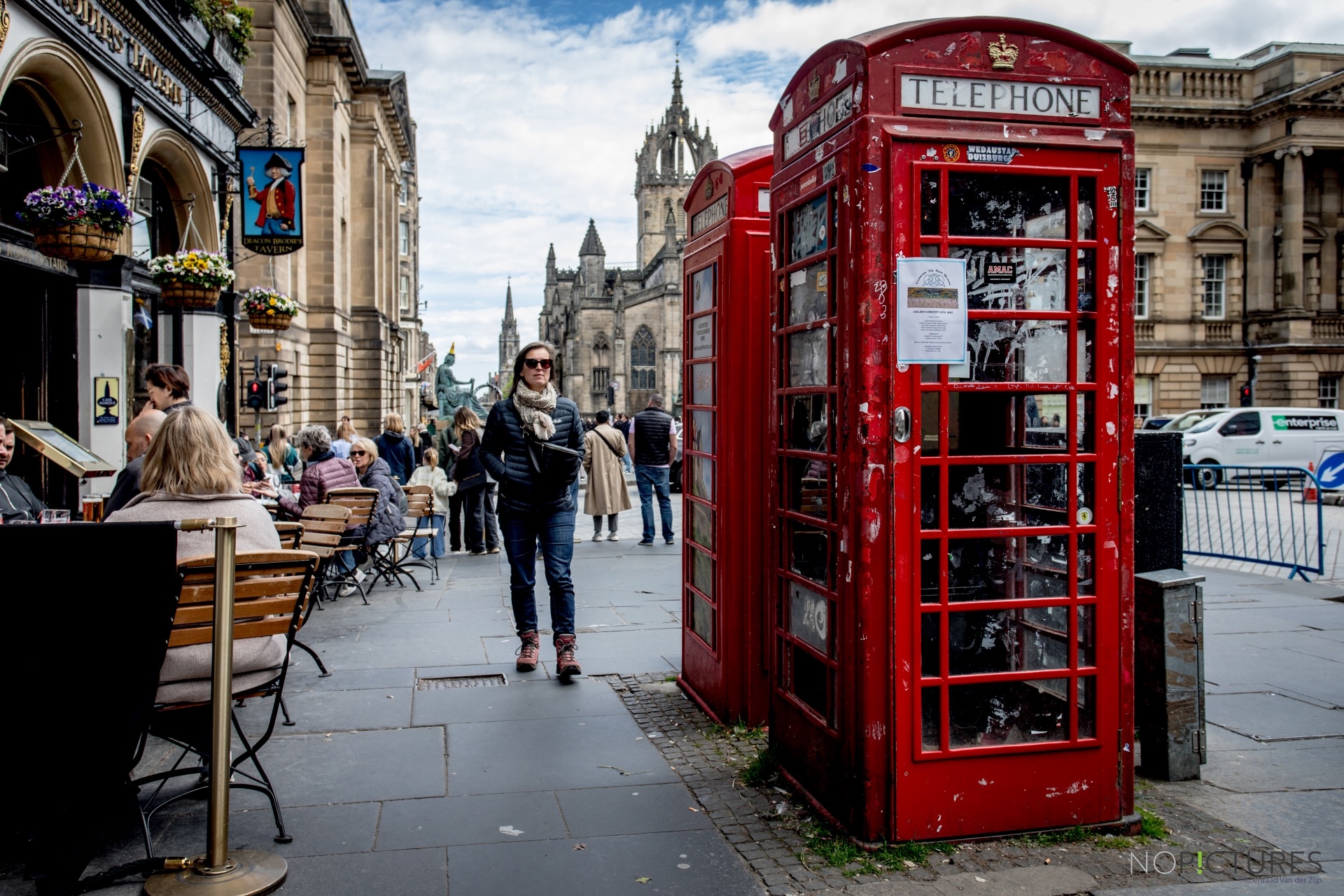
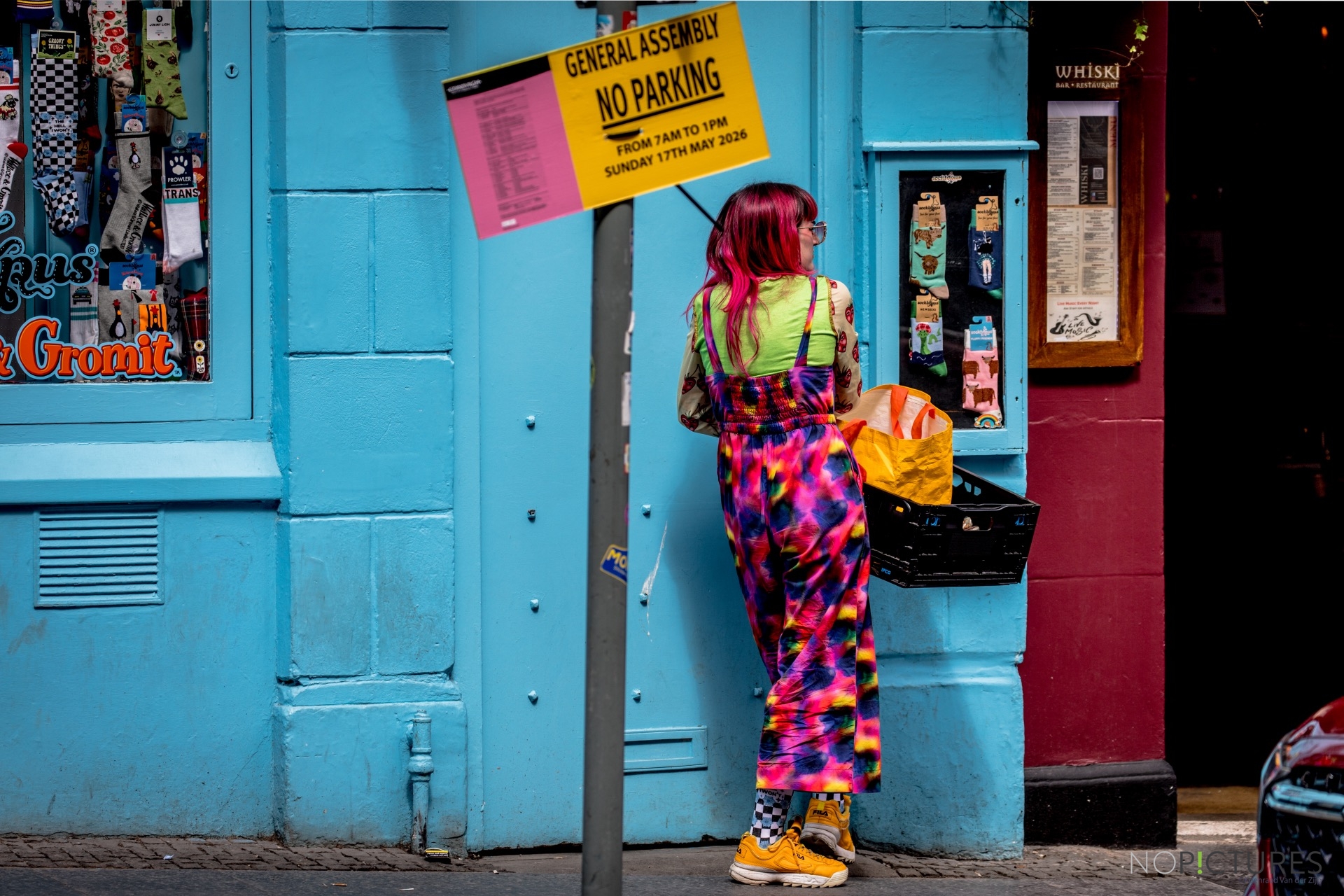
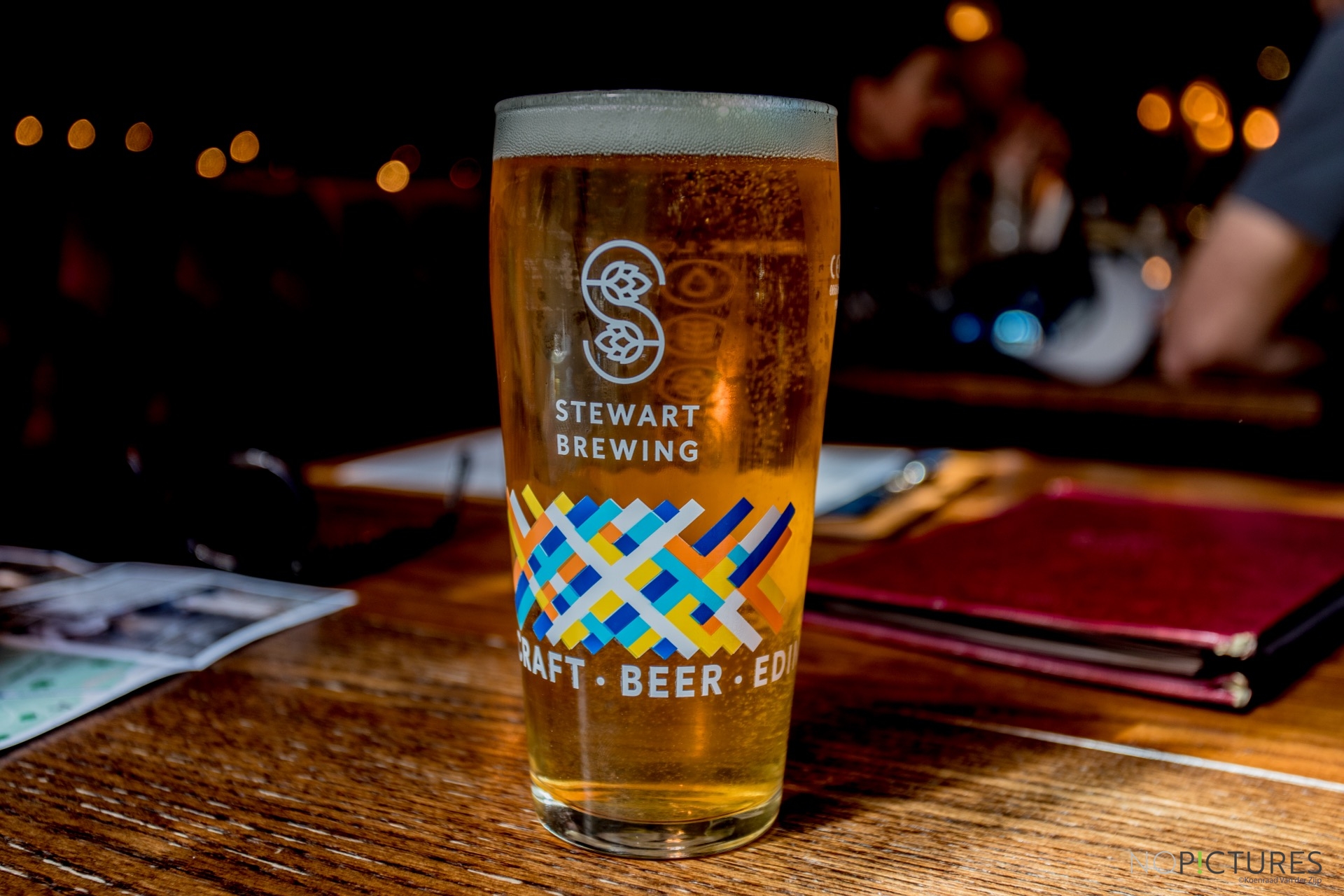
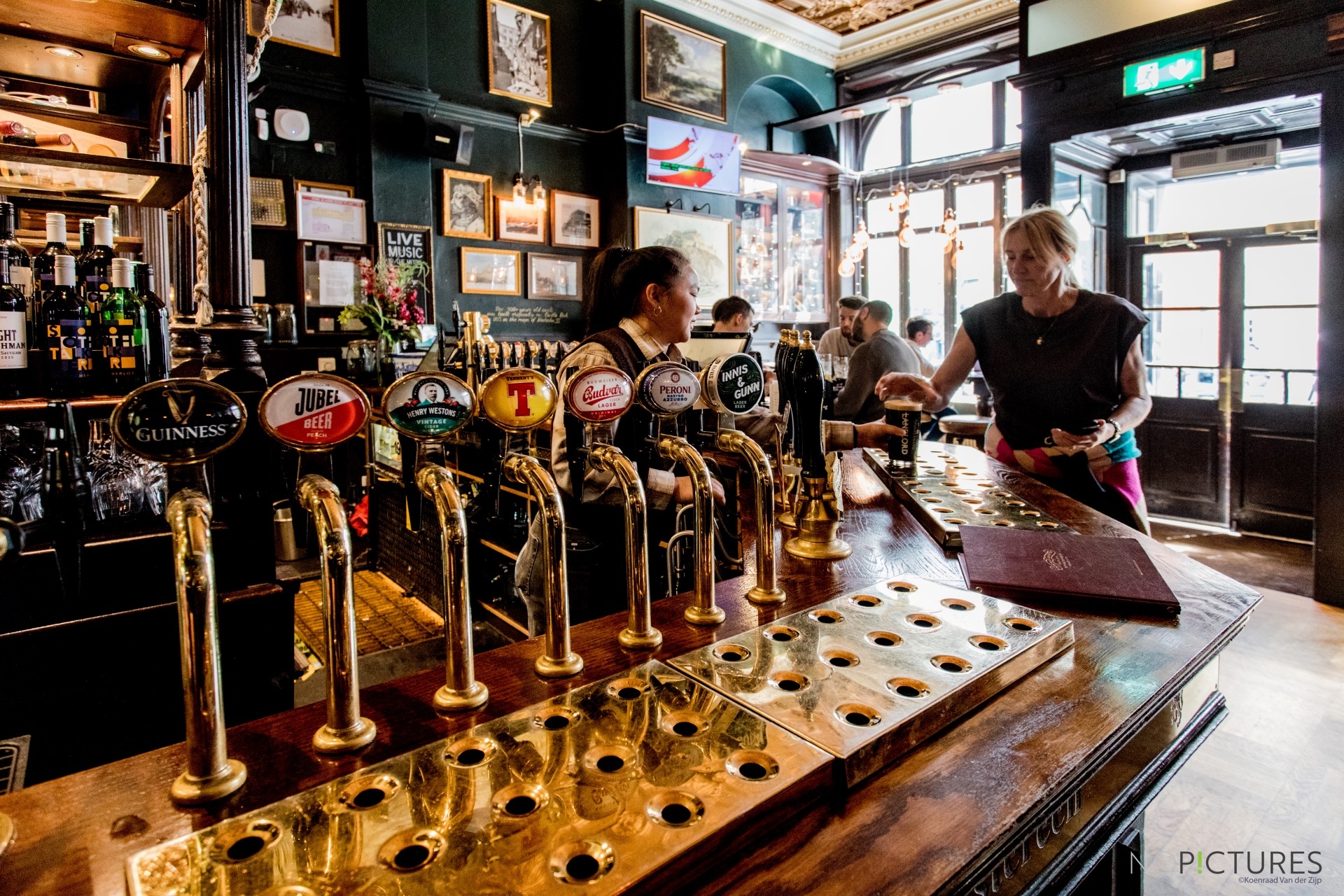
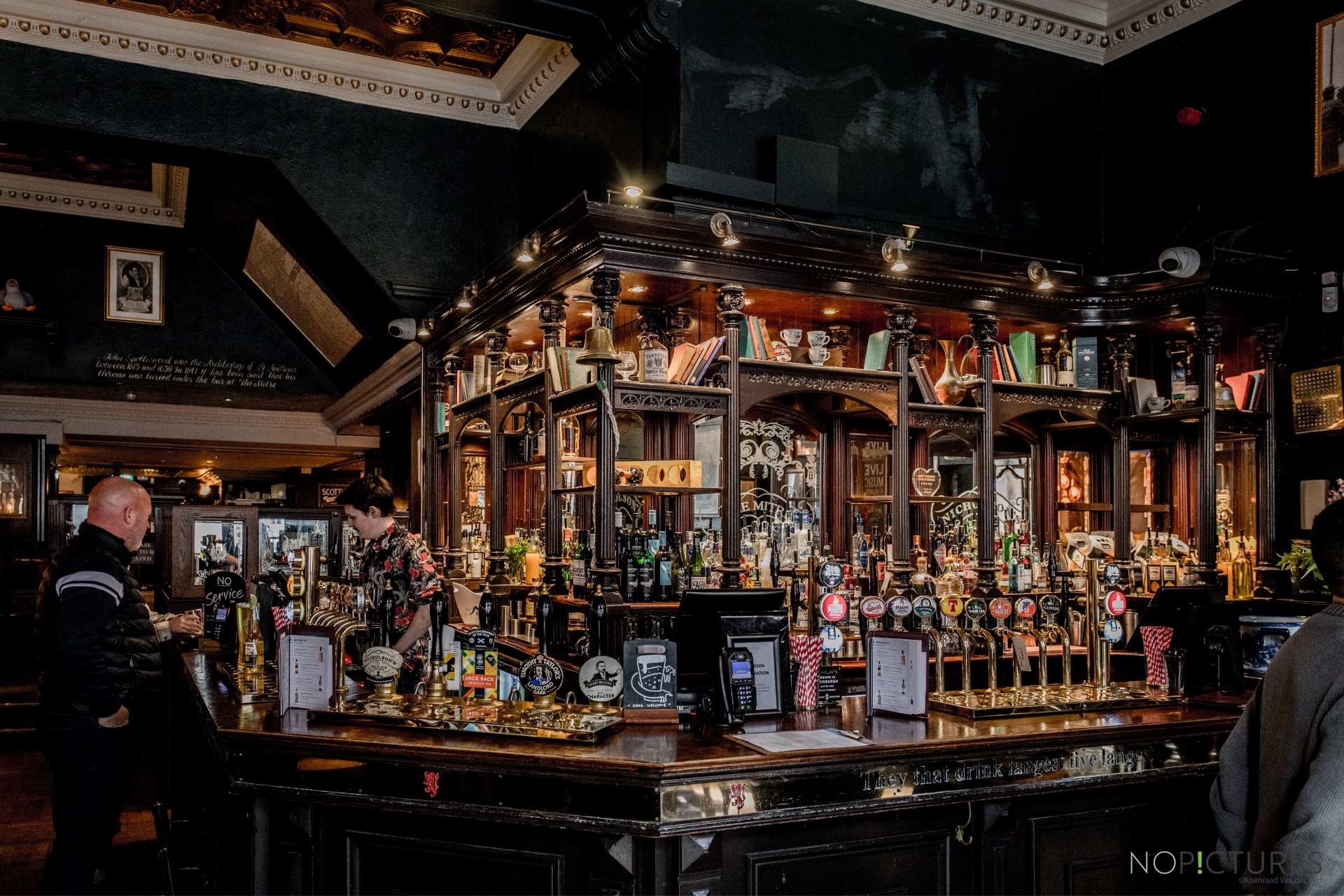
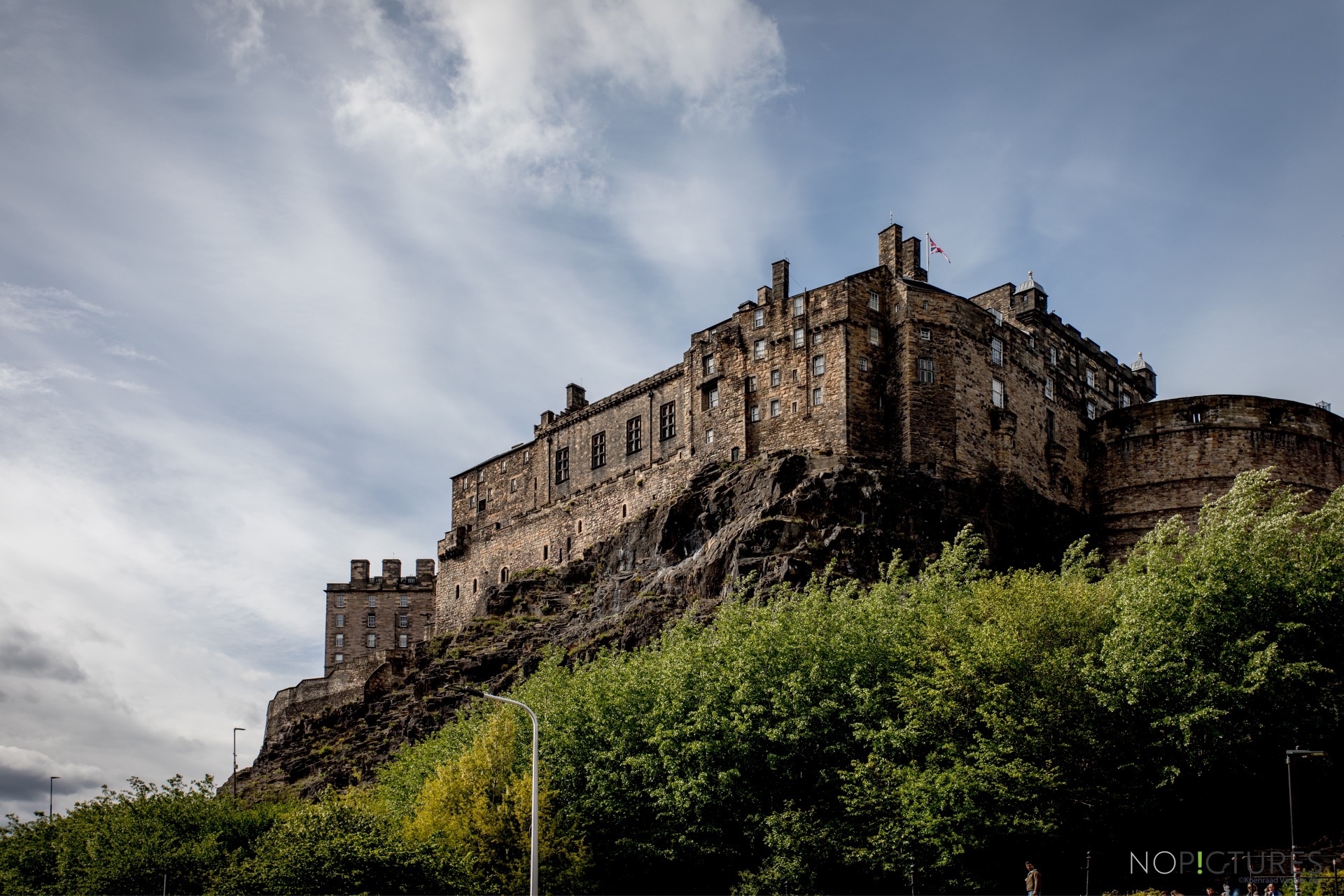
The Old Town, with Edinburgh Castle, the High Street, St Giles’ Cathedral and the Palace of Holyroodhouse, is best experienced on foot. They are situated along a route also known as the Royal Mile.
Edinburgh really is a charming city, full of historic buildings and charming parks. And as it is hilly, you can enjoy beautiful panoramic views of the city from various vantage points.
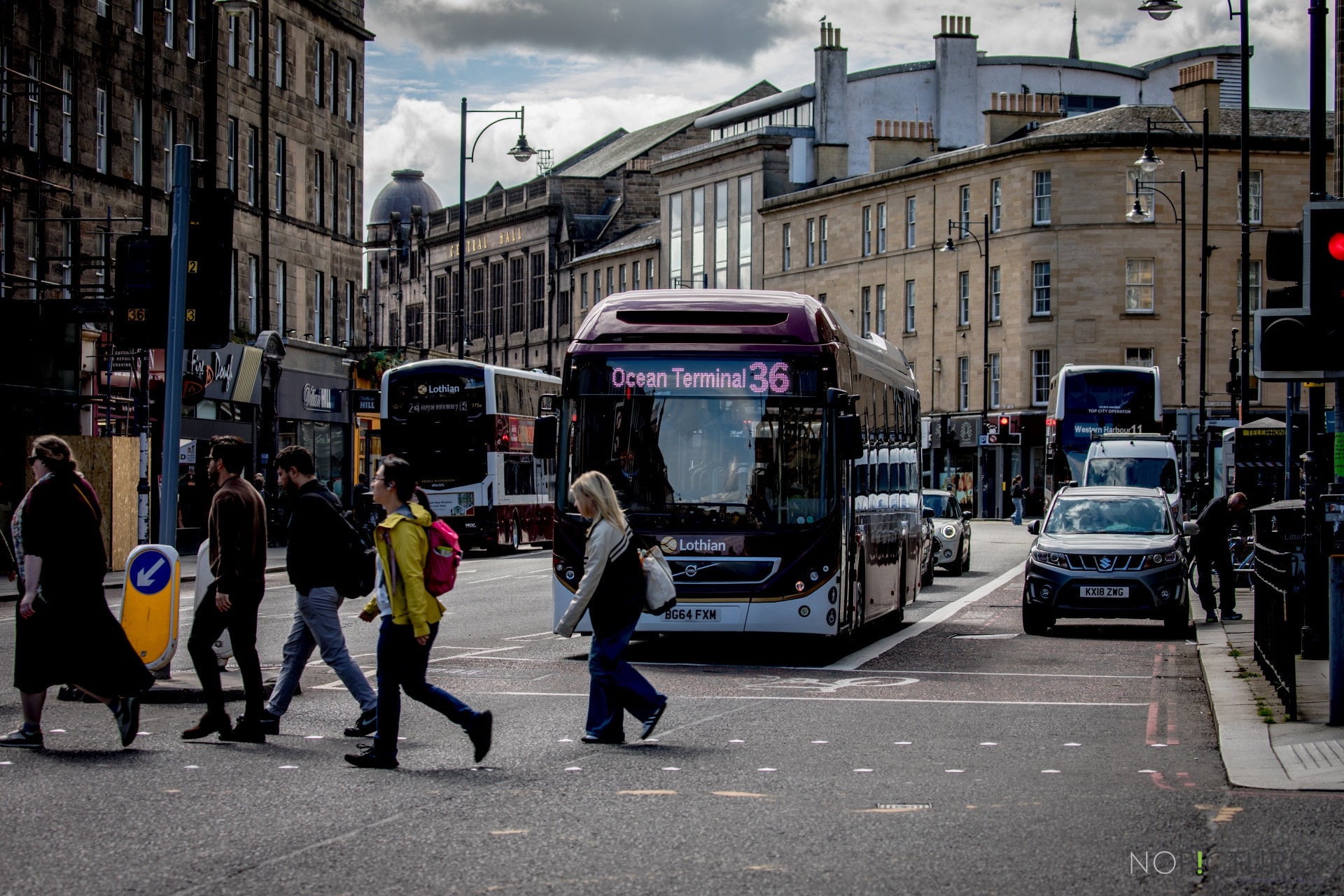
As is usually the case in a tourist centre, there is an abundance of shops.
If you want to avoid that, it’s best to wander off the beaten track. You might just come across some surprising things.
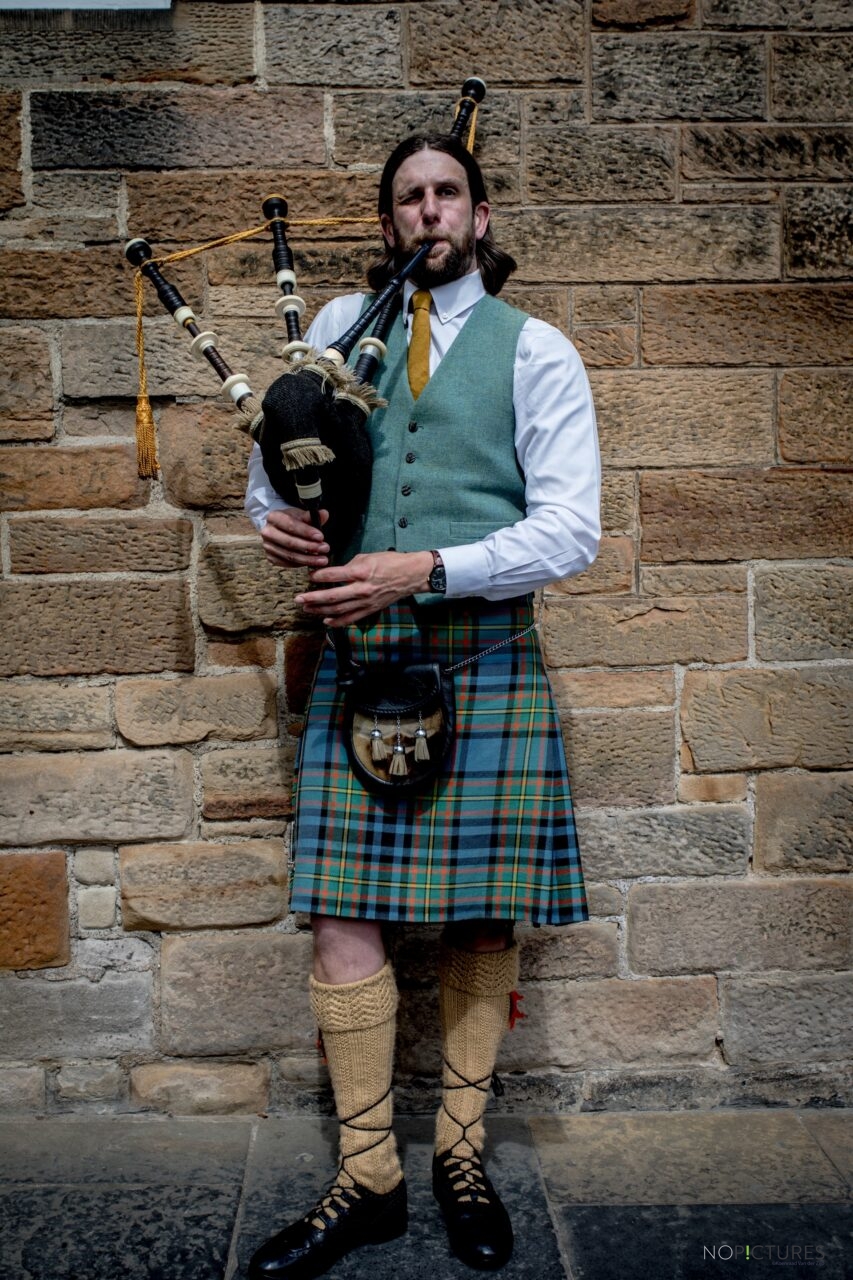


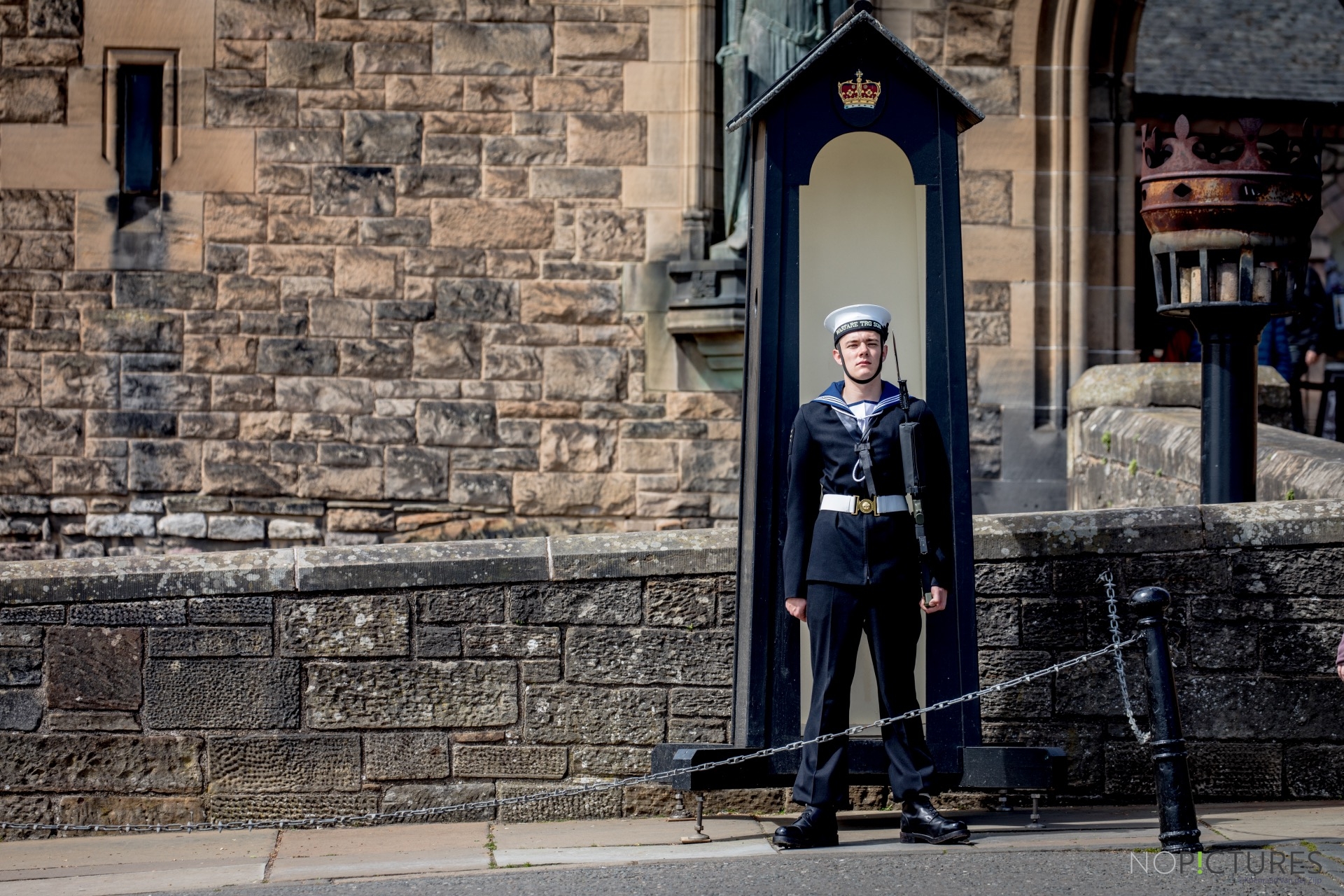
Fun fact: the source of many maths student’s fear was born and lived here
– John Napier, the inventor of logarithms

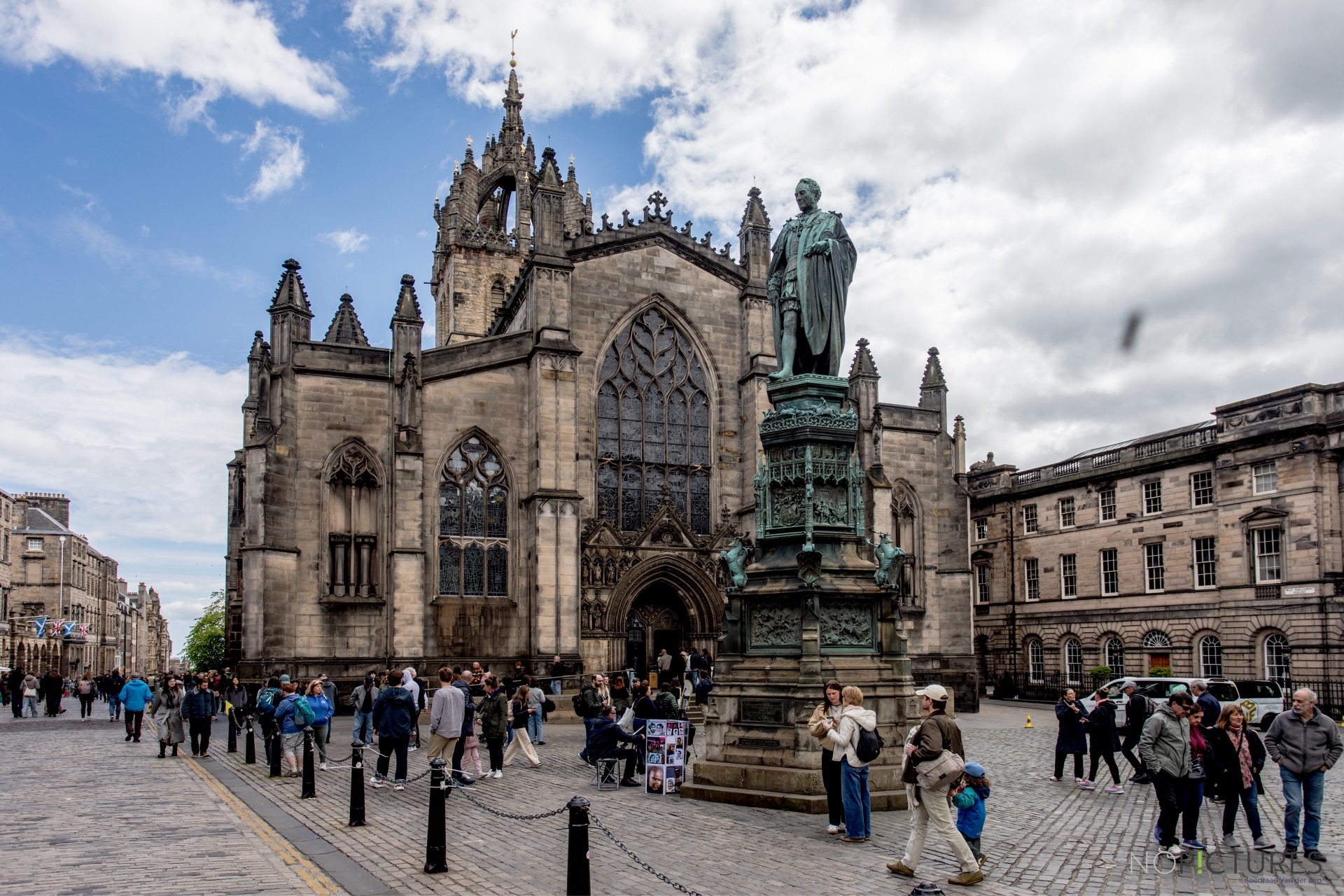
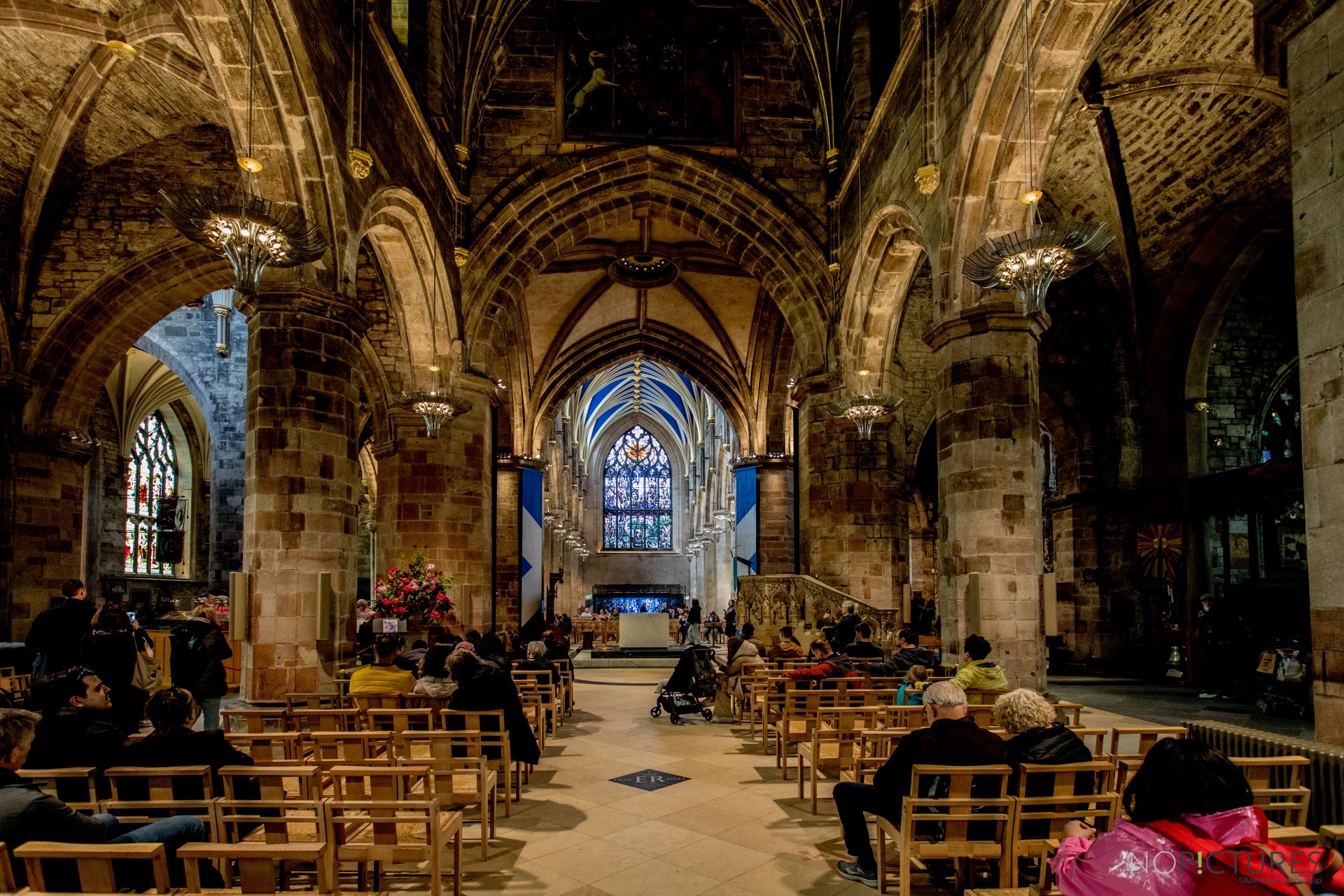
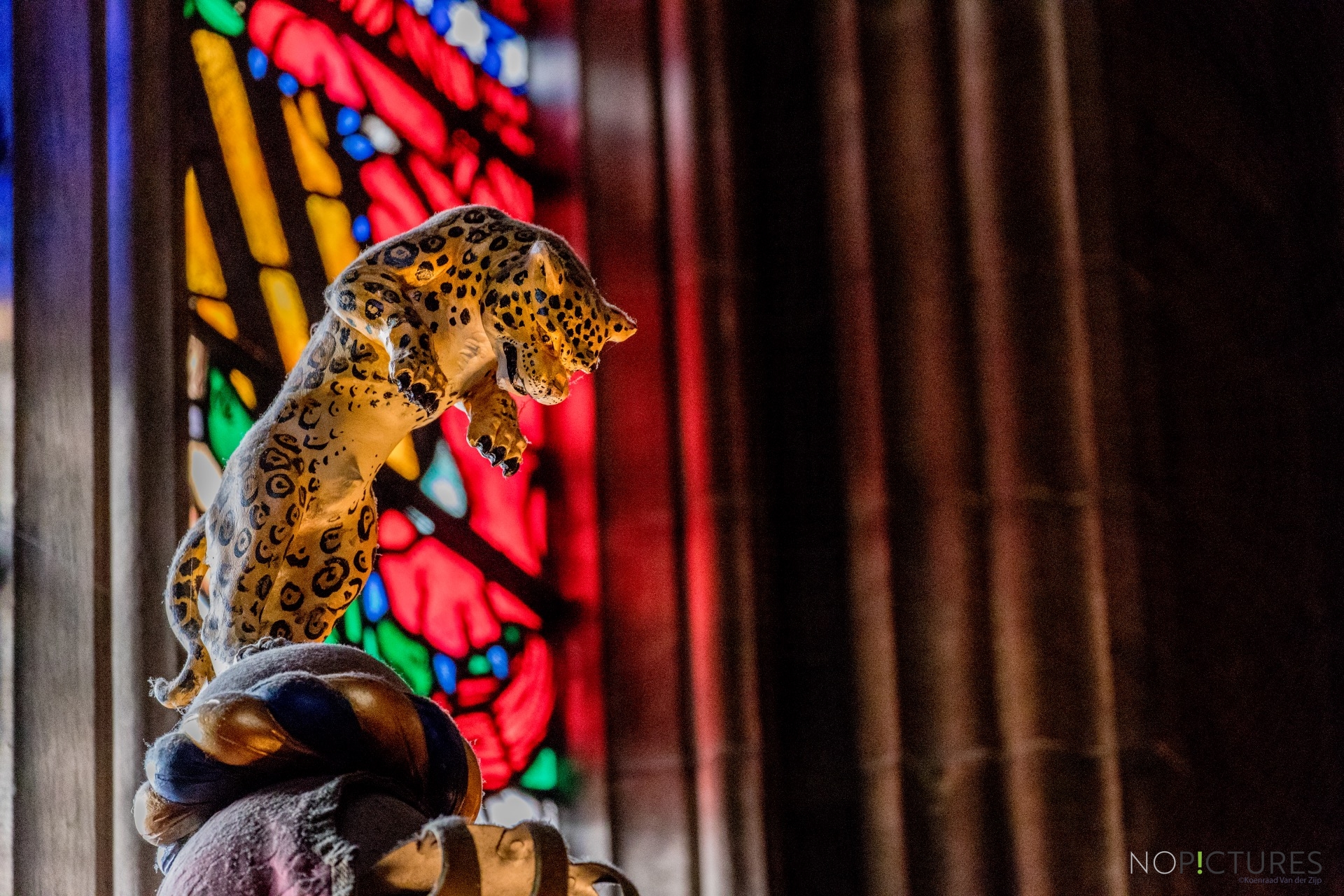
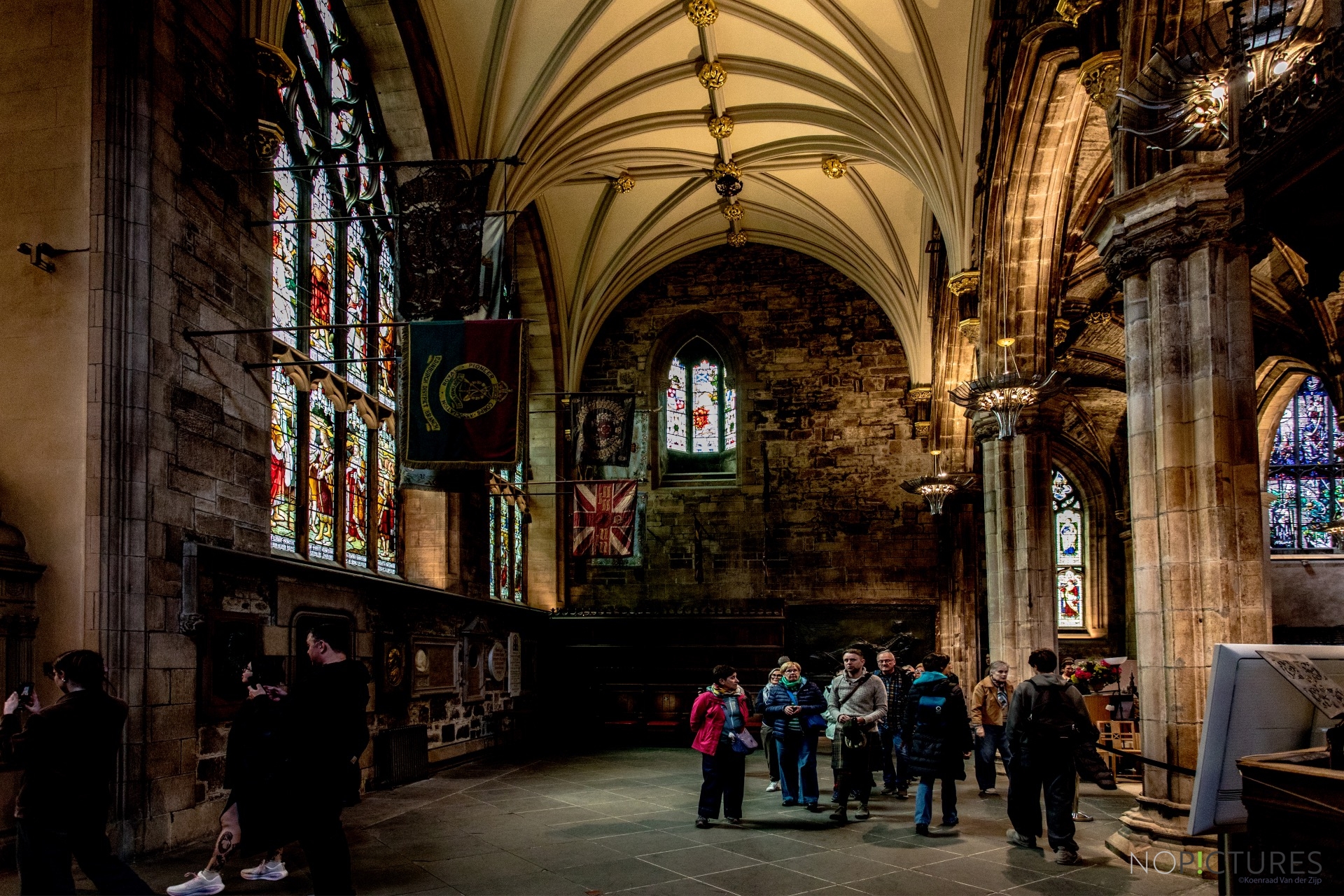
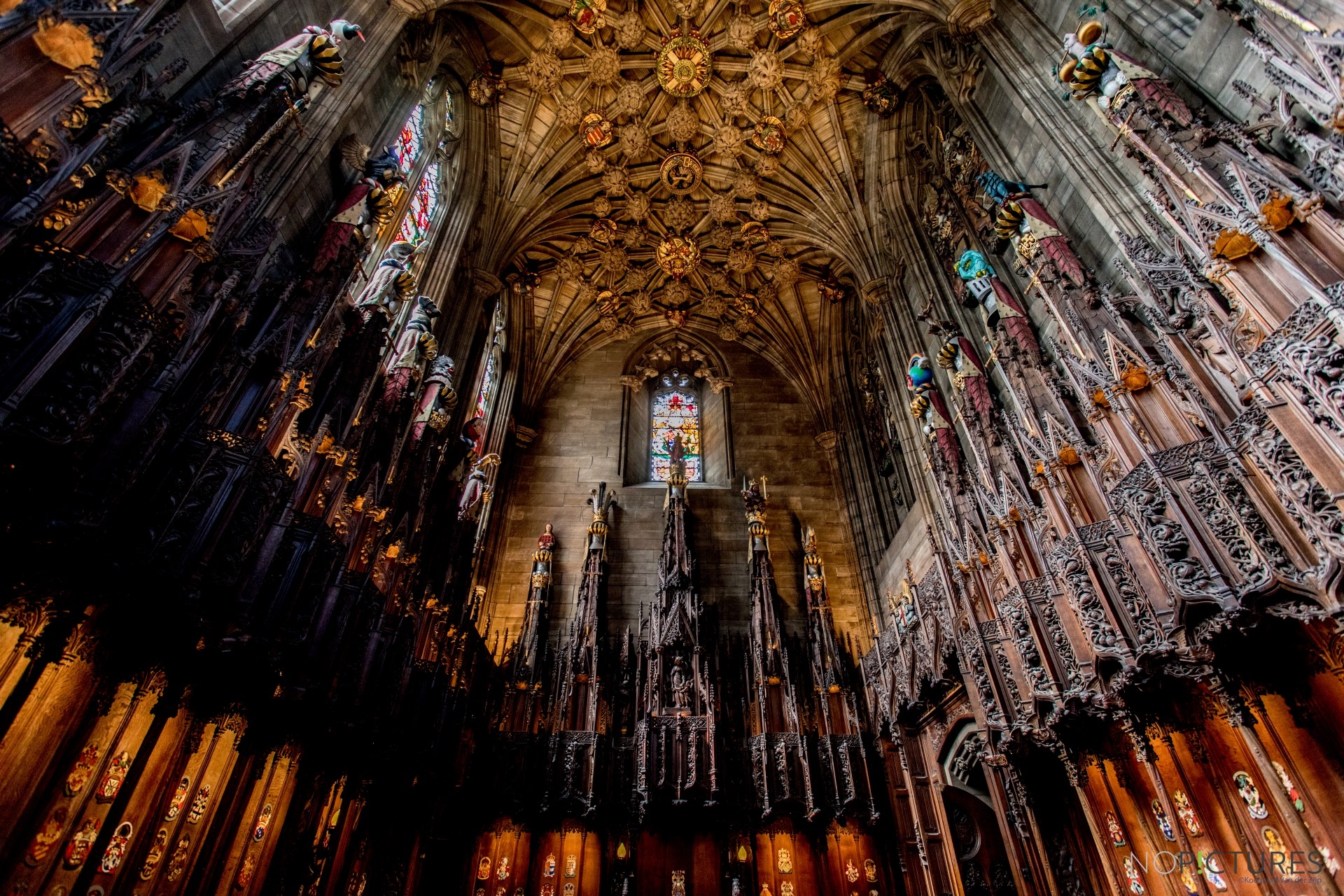
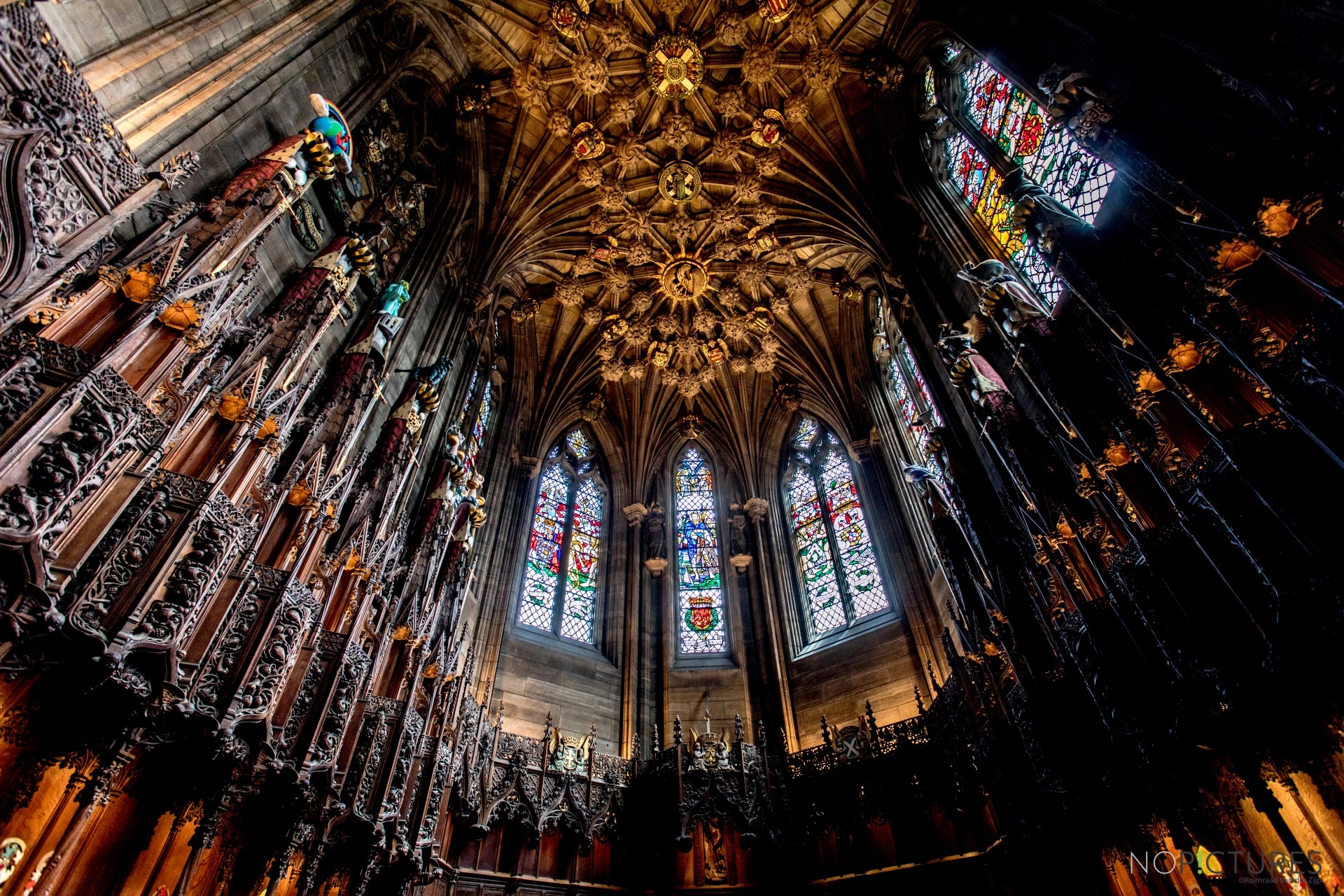
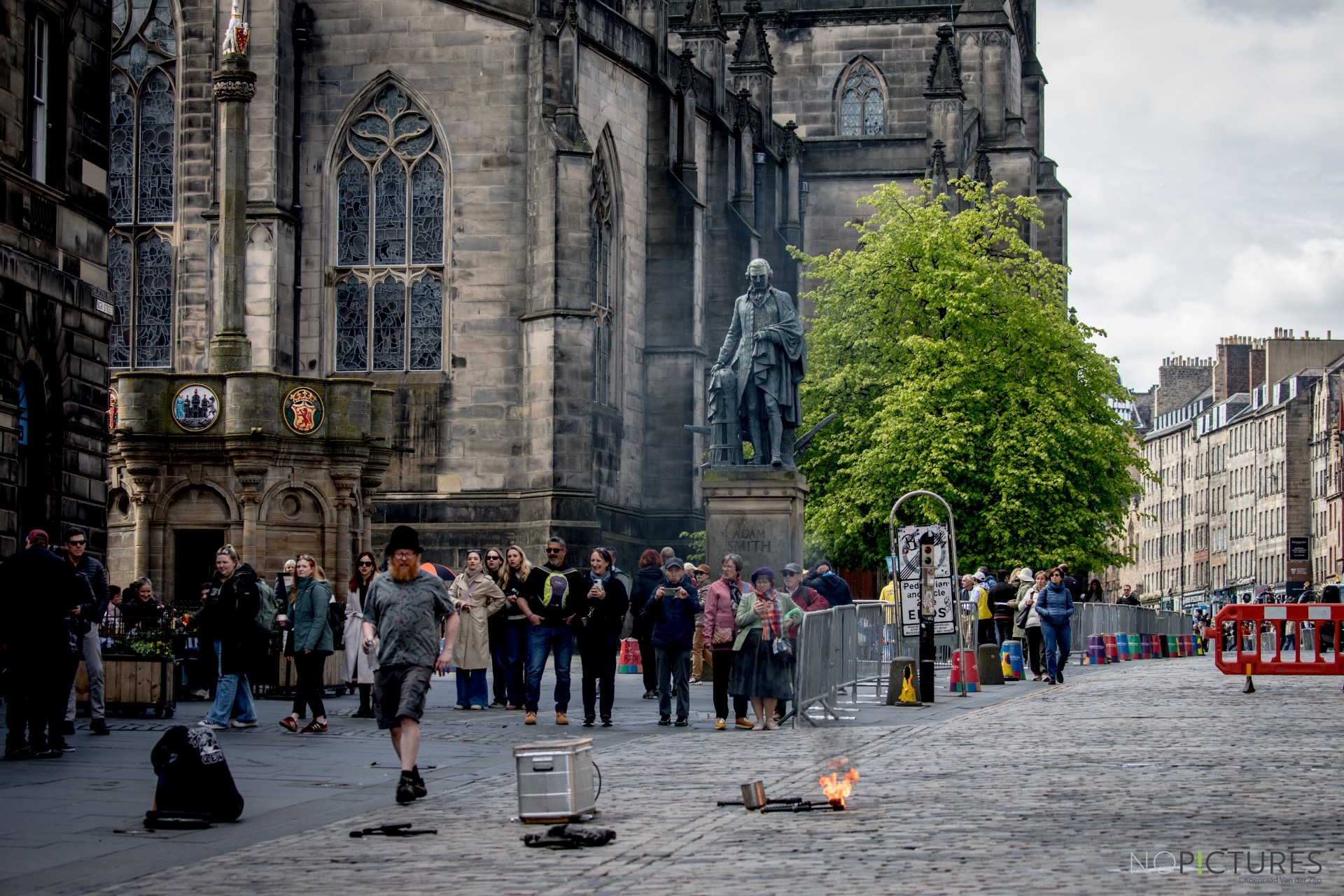
The St. Giles Cathedral is certainly well worth a visit. But the real highlight is the small Thistle chapel with its elaborate wood carvings, you definitely shouldn’t miss it.
It is the chapel of the Order of the Thistle, the Most Ancient and Most Noble Order of the Thistle, an order of chivalry associated with Scotland.
The astonishing thing about the chapel is its age – it was only built in 1909 at the request of King Edward VII.
It’s situated on the south side of the cathedral and the entrance to the chapel is a bit hidden – you could easily walk right past it.
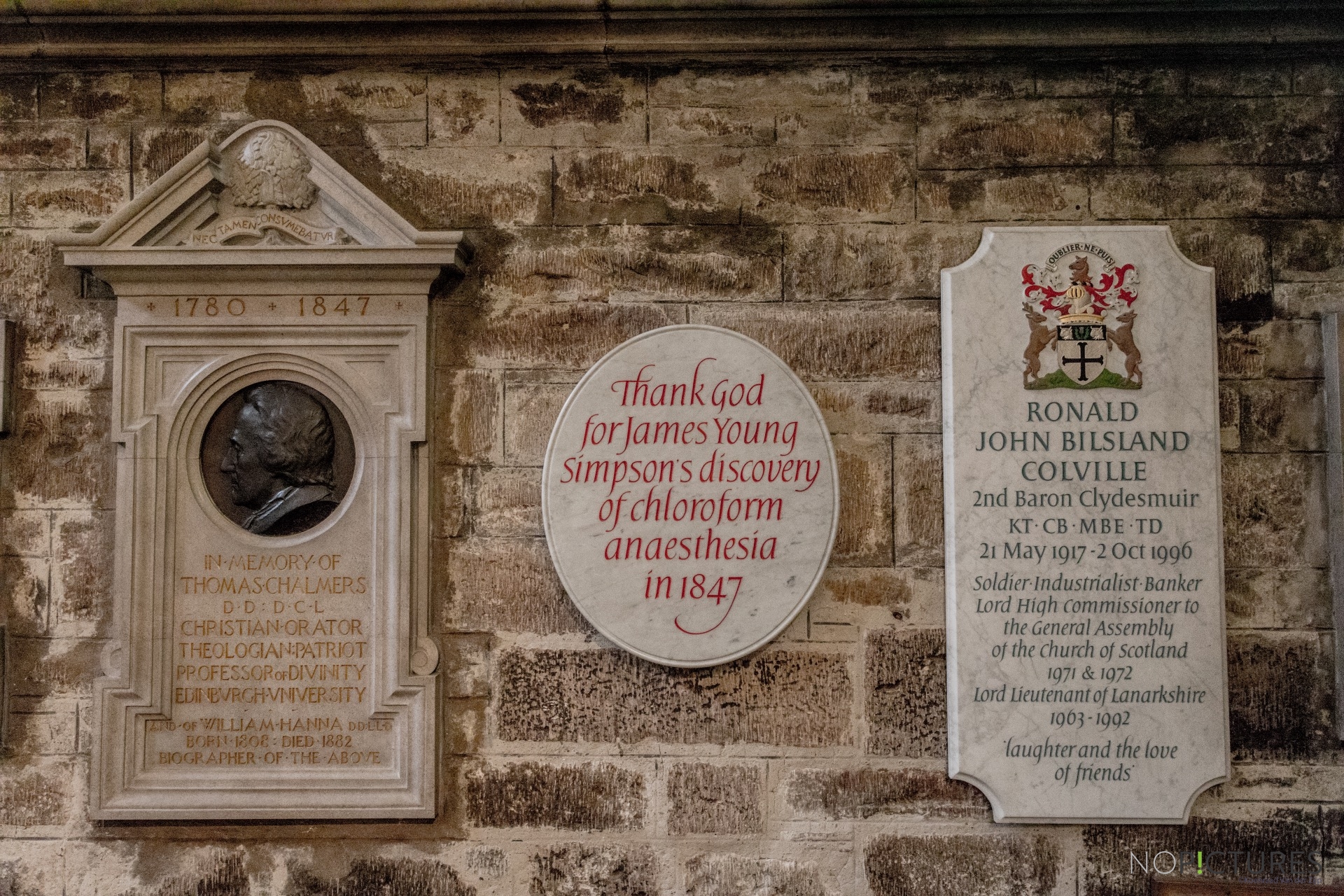
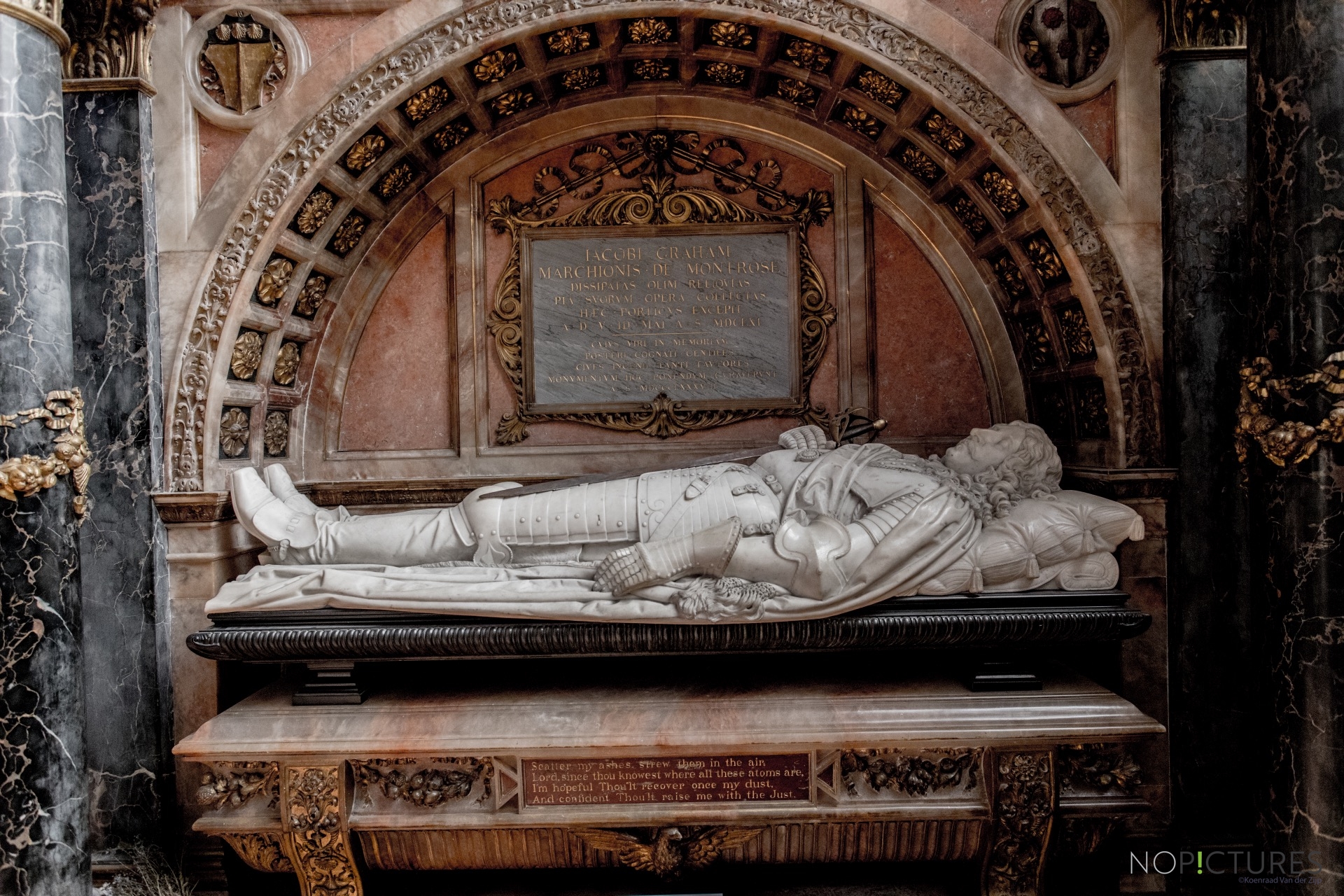
It’s a bit unusual, but there are also numerous memorials to be seen inside the cathedral.
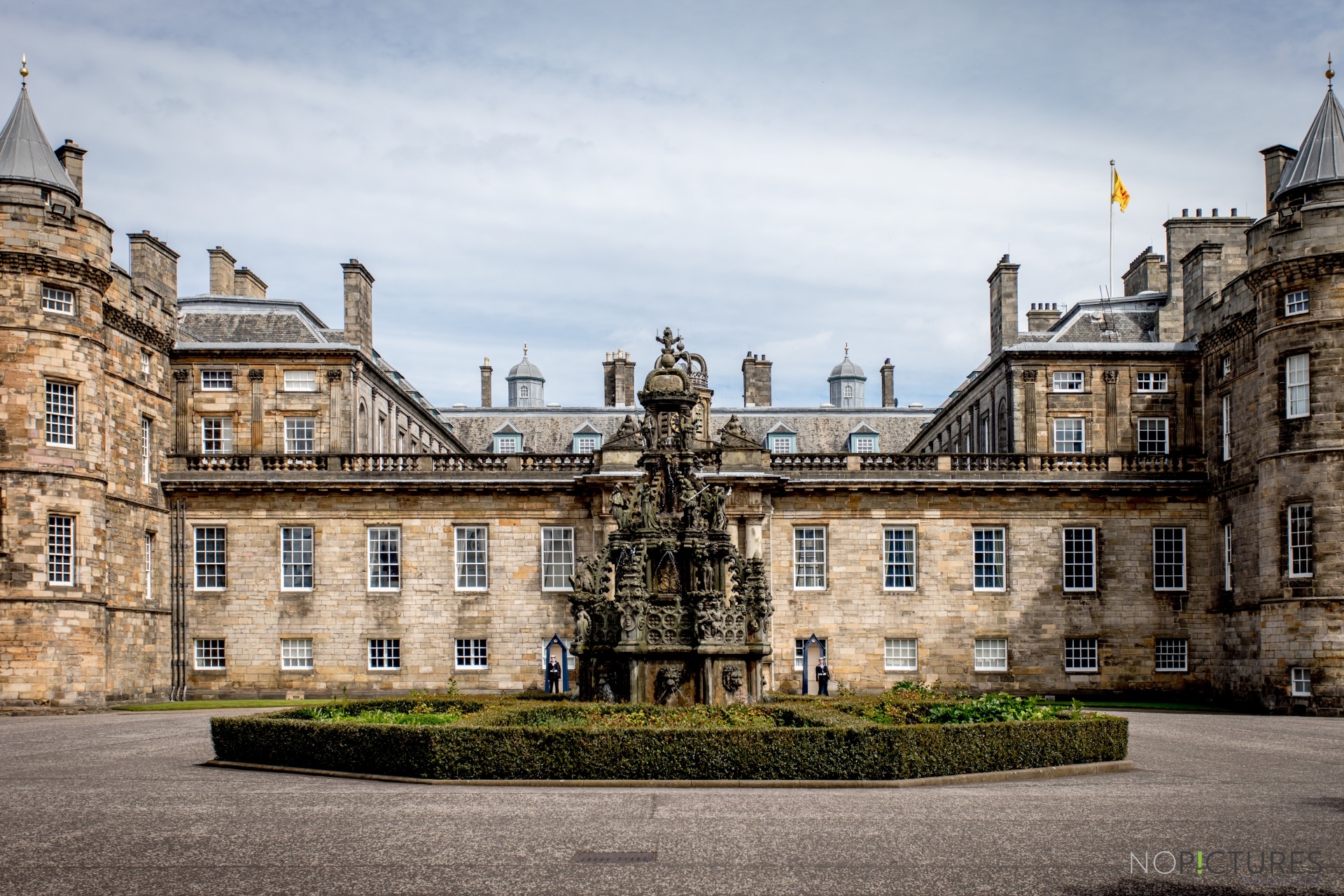
We continued our walk to the Palace of Holyroodhouse, which we only briefly viewed from the gates.
We then walked along Holyrood Road towards the National Museum. Admission to the museum is free, by the way.
It was immediately a lot quieter here, with far fewer tourists.
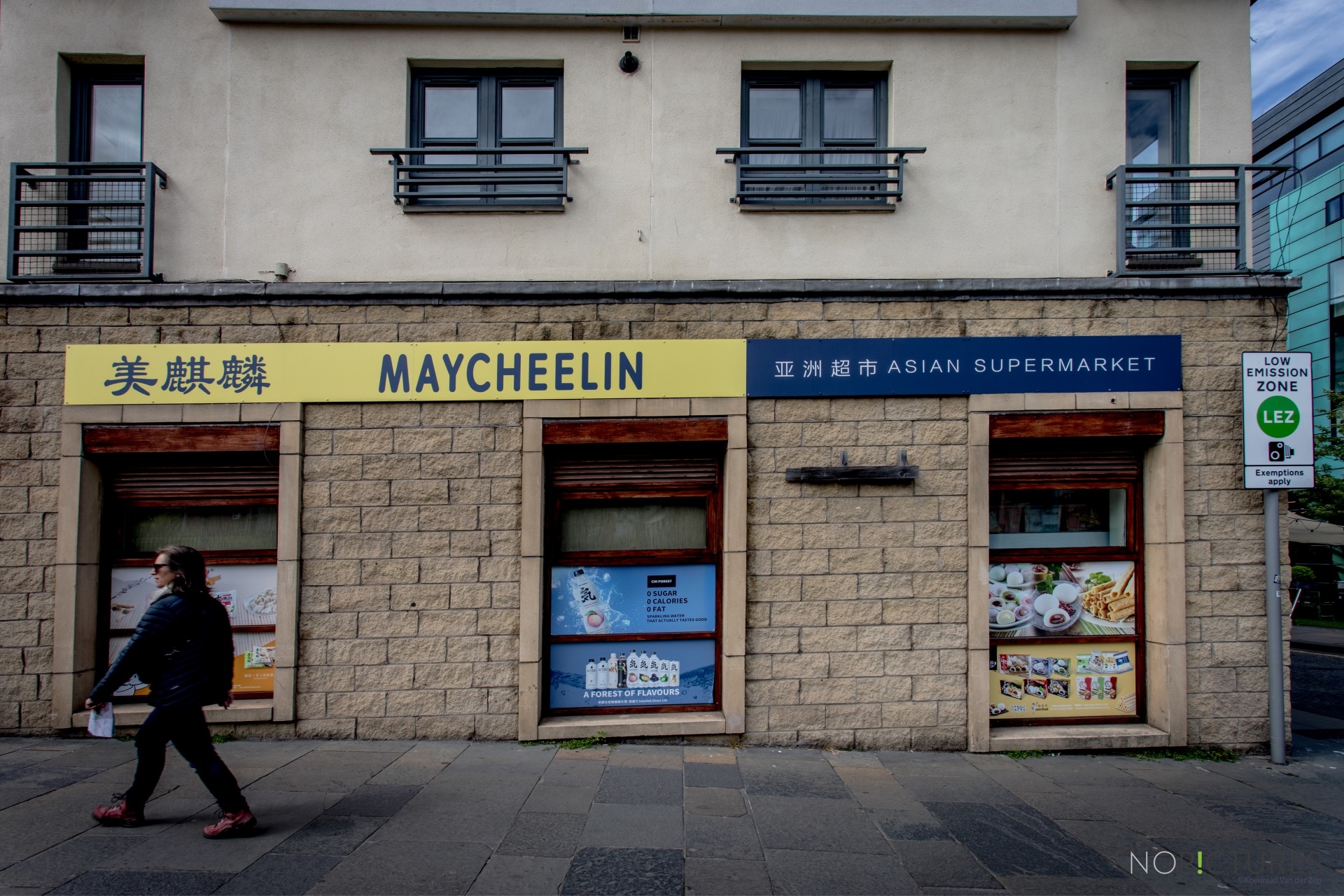
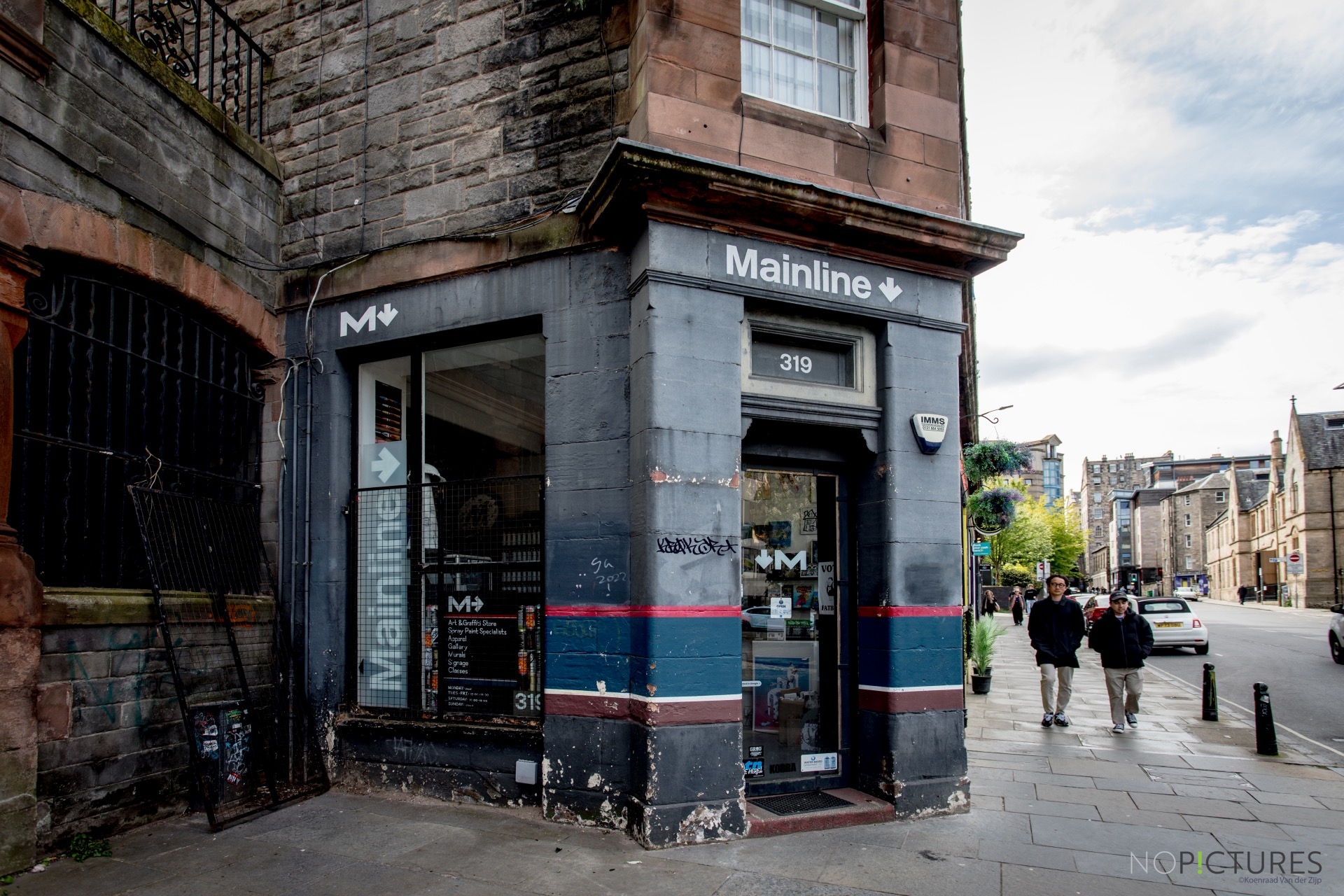
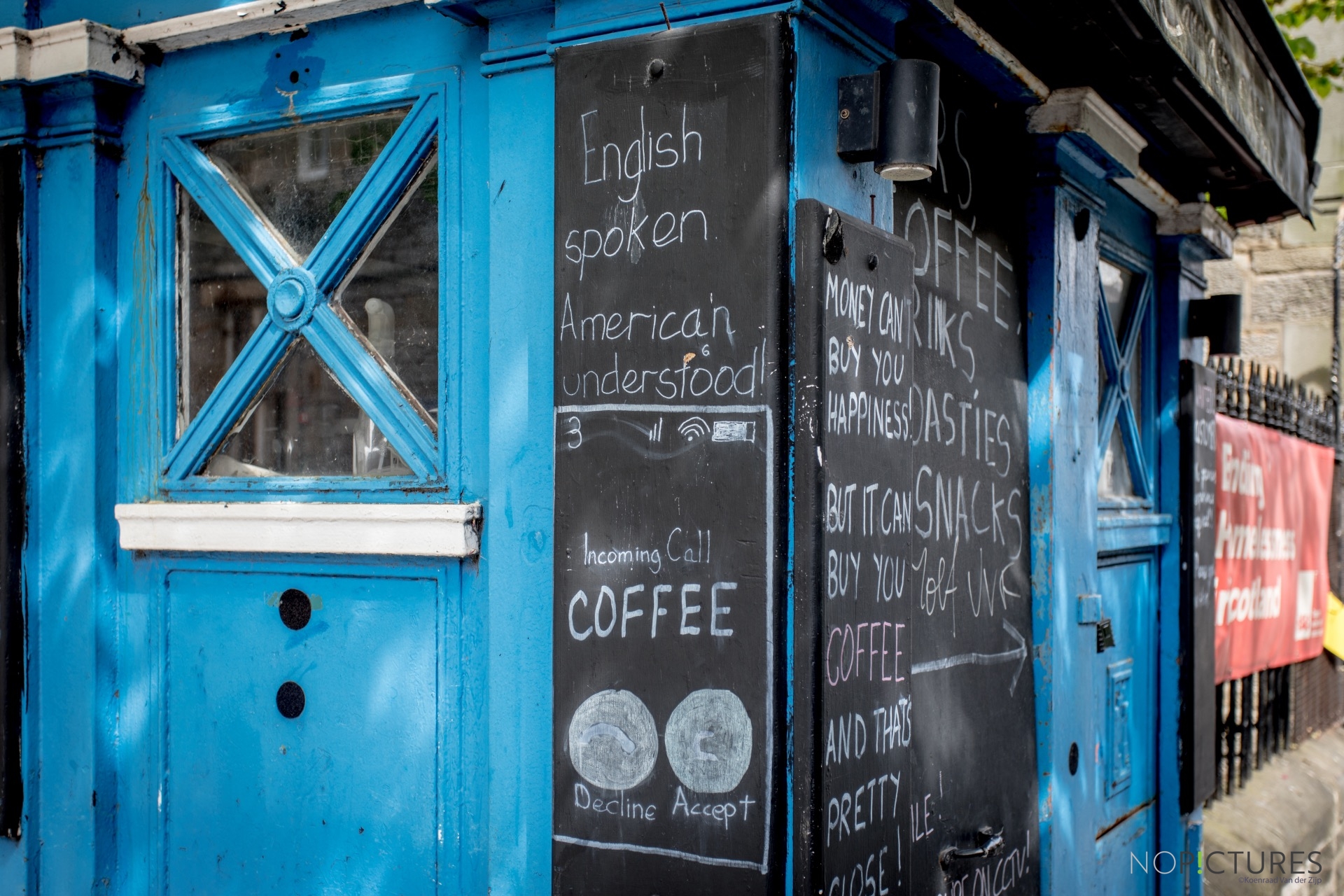
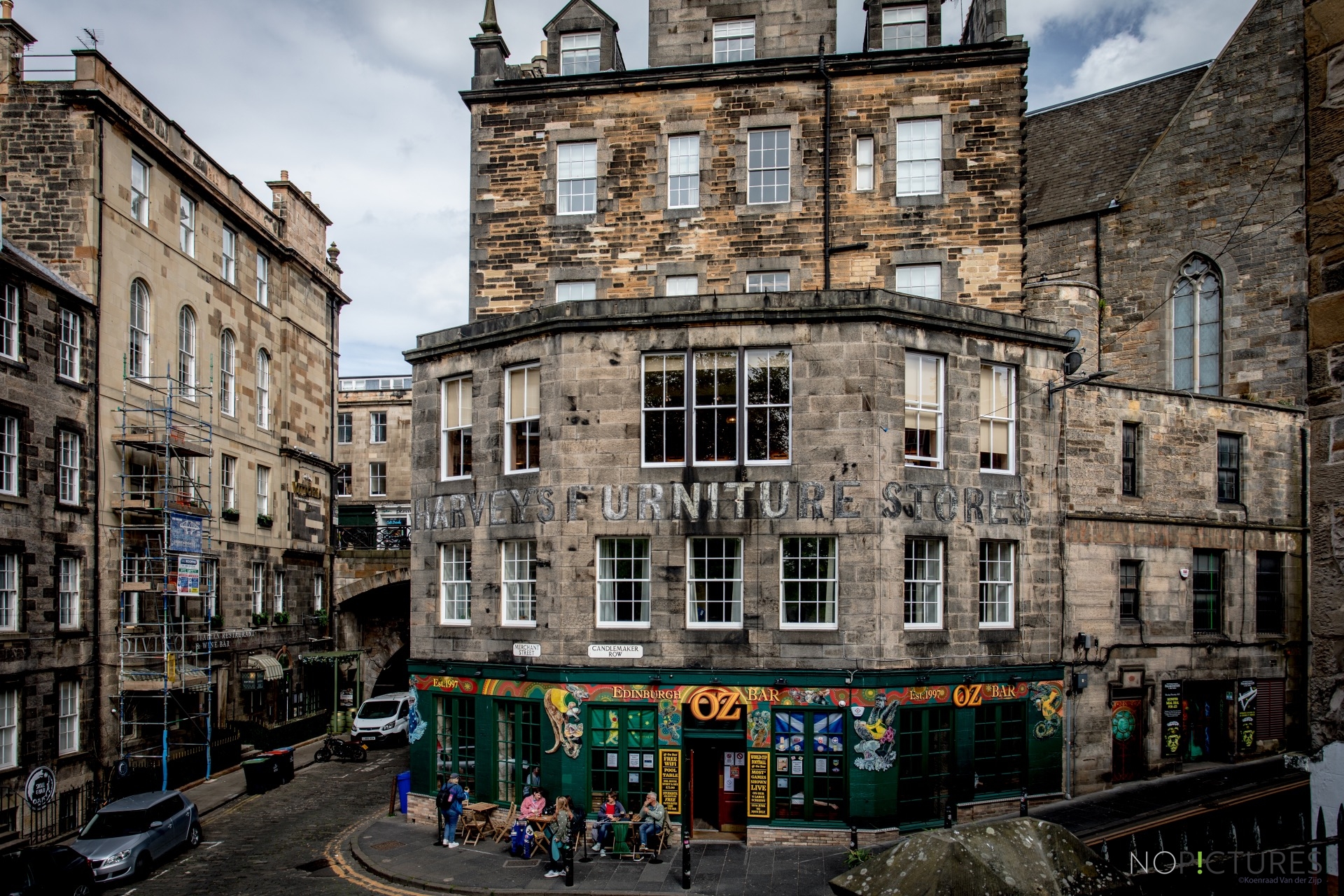
On the way, we came across the first Chinese supermarket with the famous Michelin star. (just kidding)
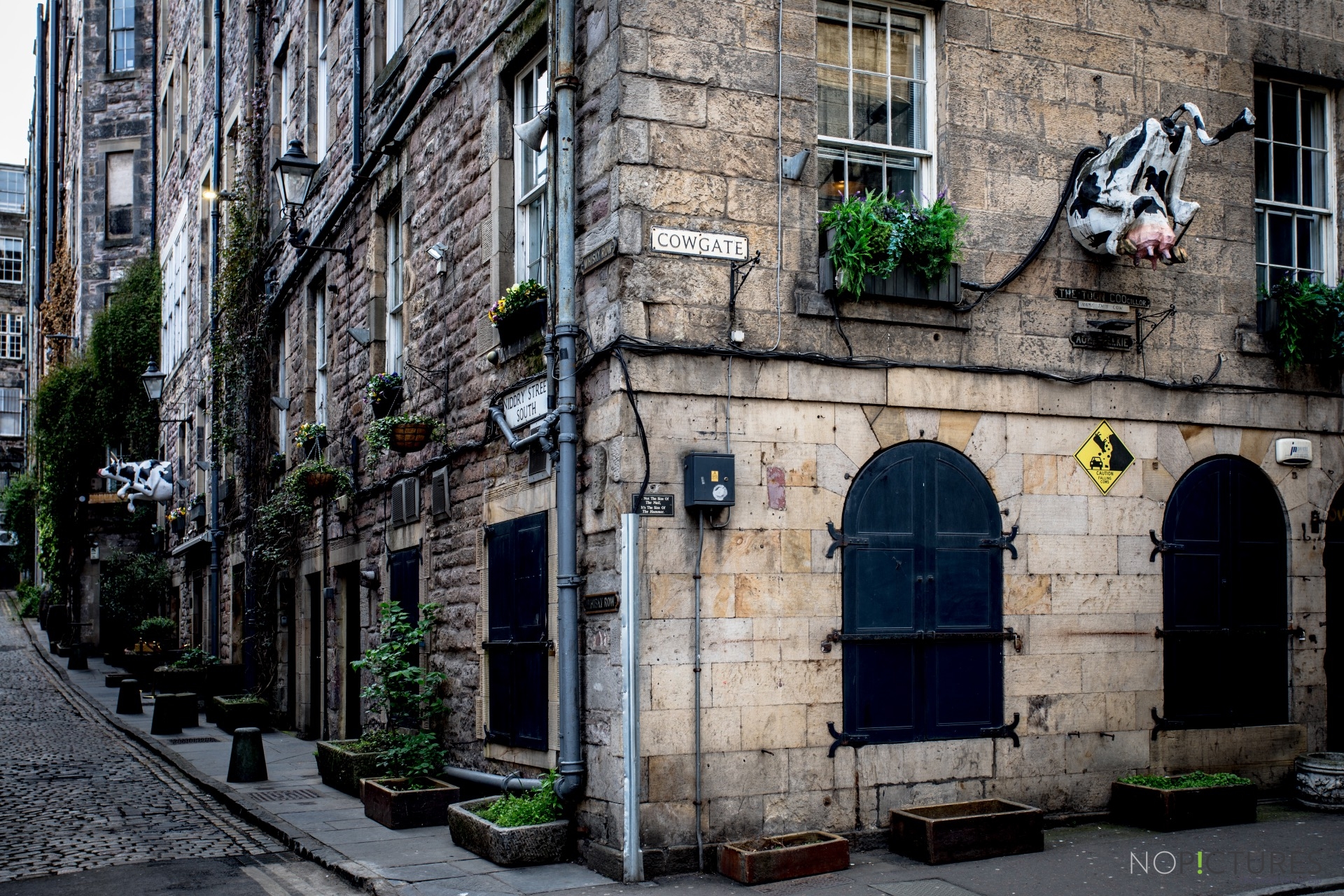
But I must admit, the owner of the Rowantree on Cowgate really has his branding spot on.
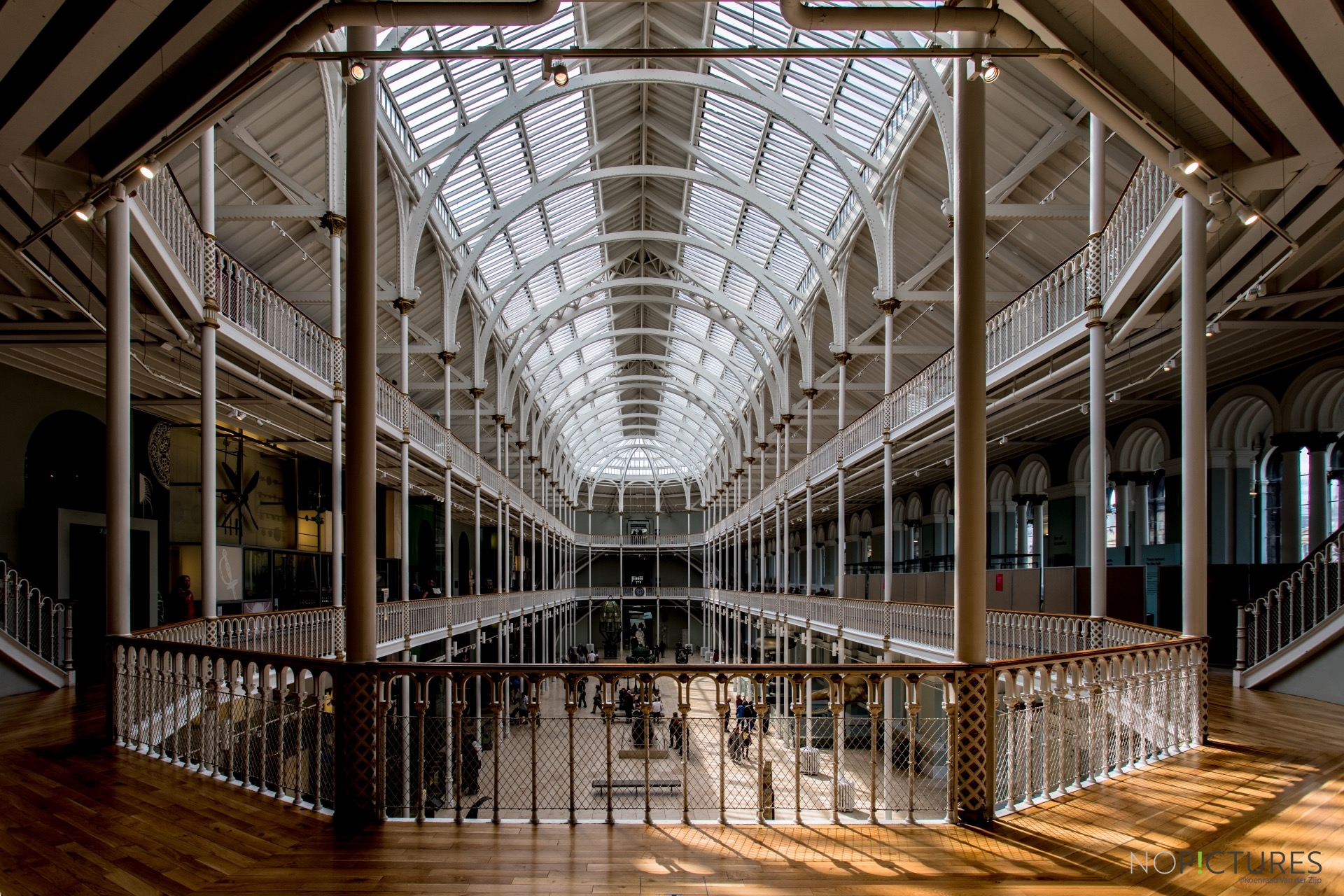
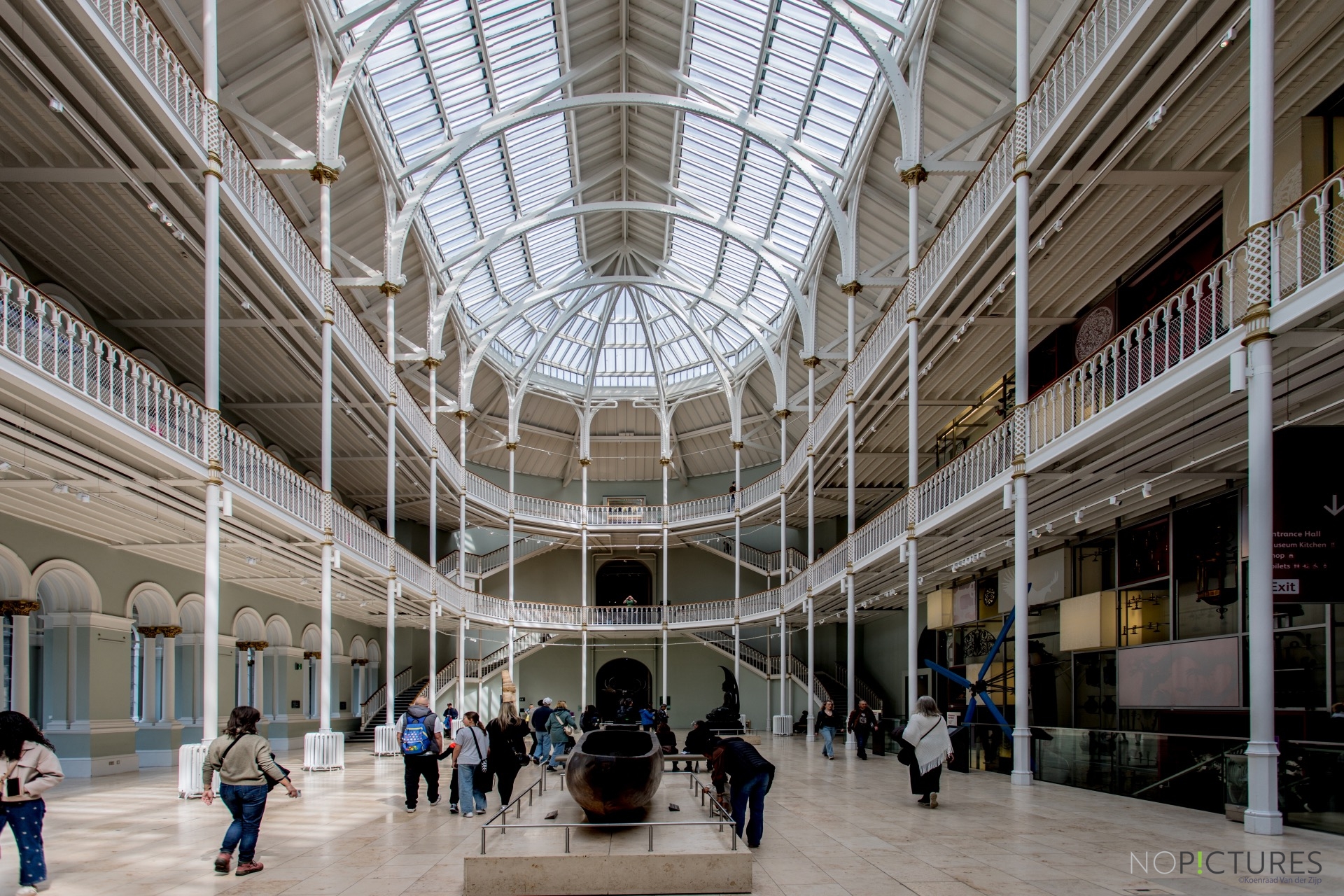
The National Museum of Scotland is essentially two museums.
The Museum of Scotland and the Royal Scottish Museum were merged in 2006. Physically, they remain two separate buildings, each with its own architecture and character, but they have been connected to one another. The central hall is certainly a real eye-catcher.
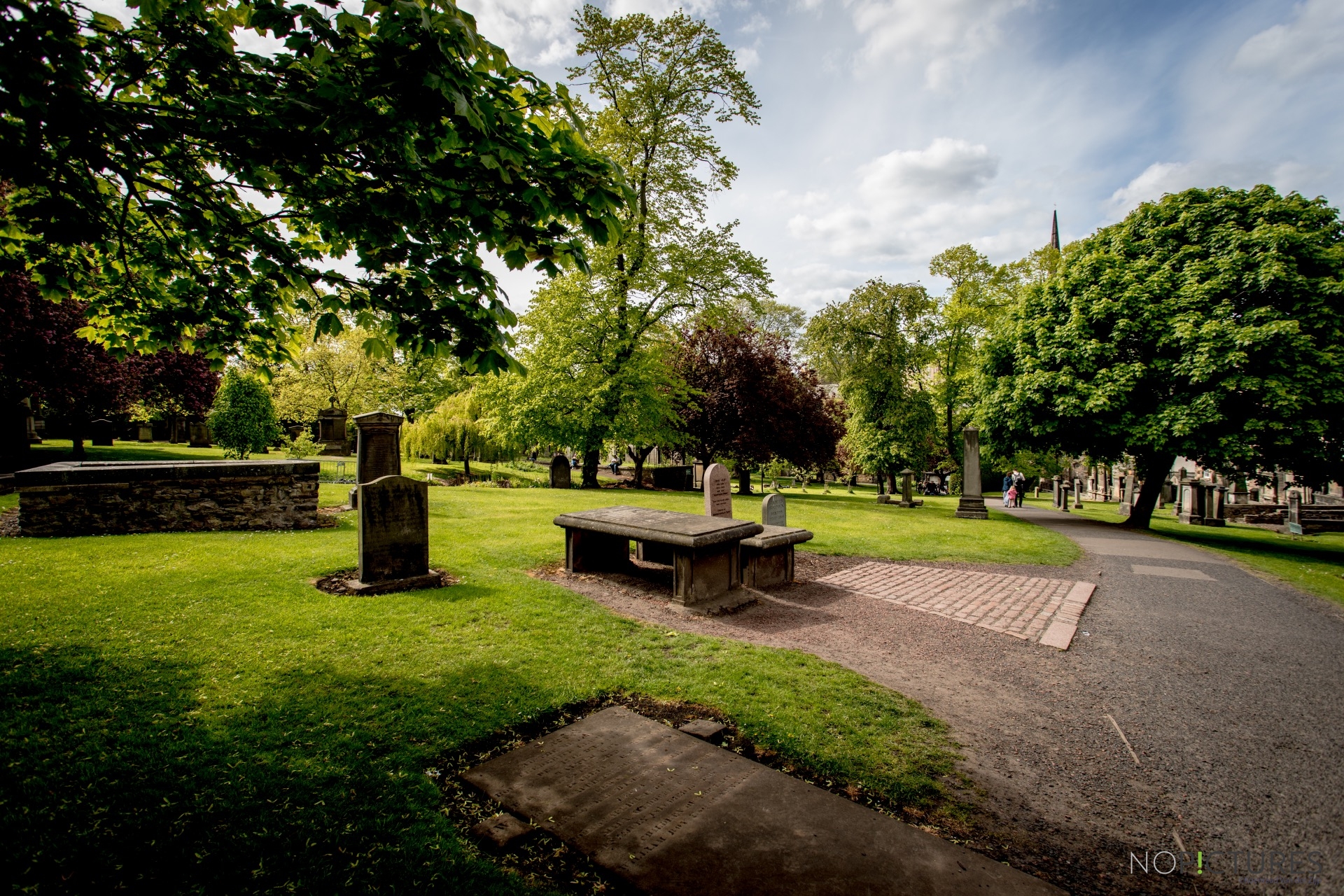
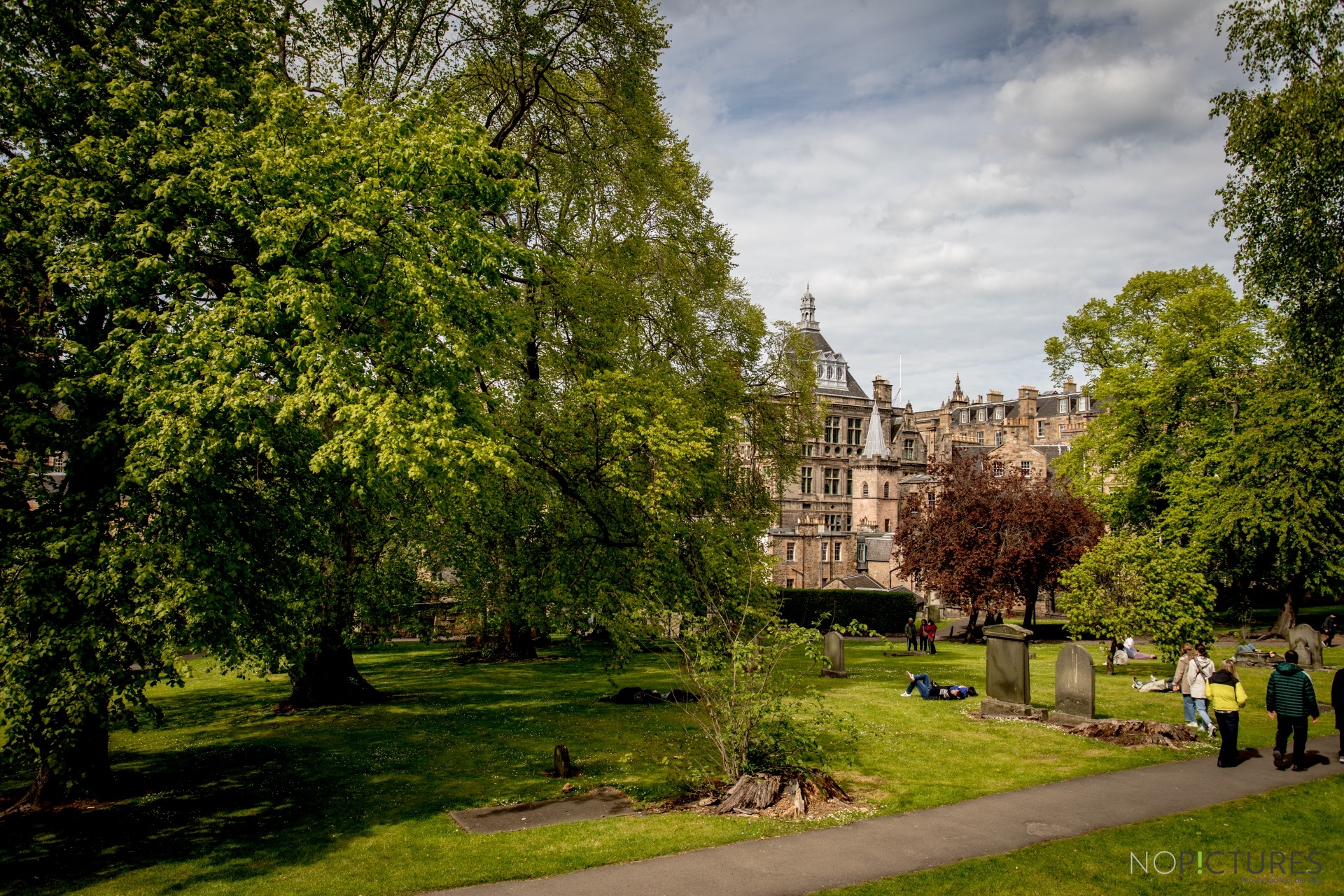
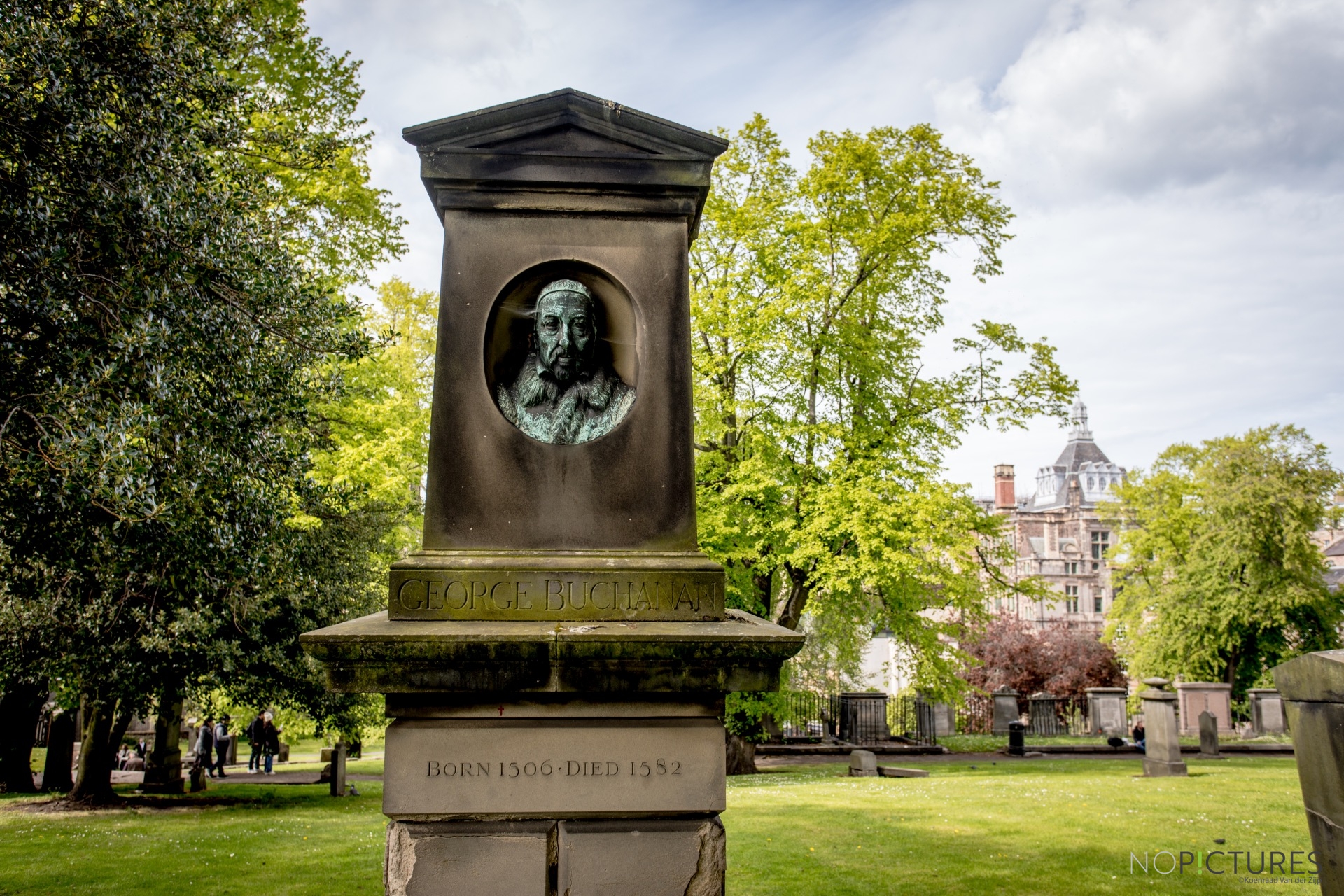
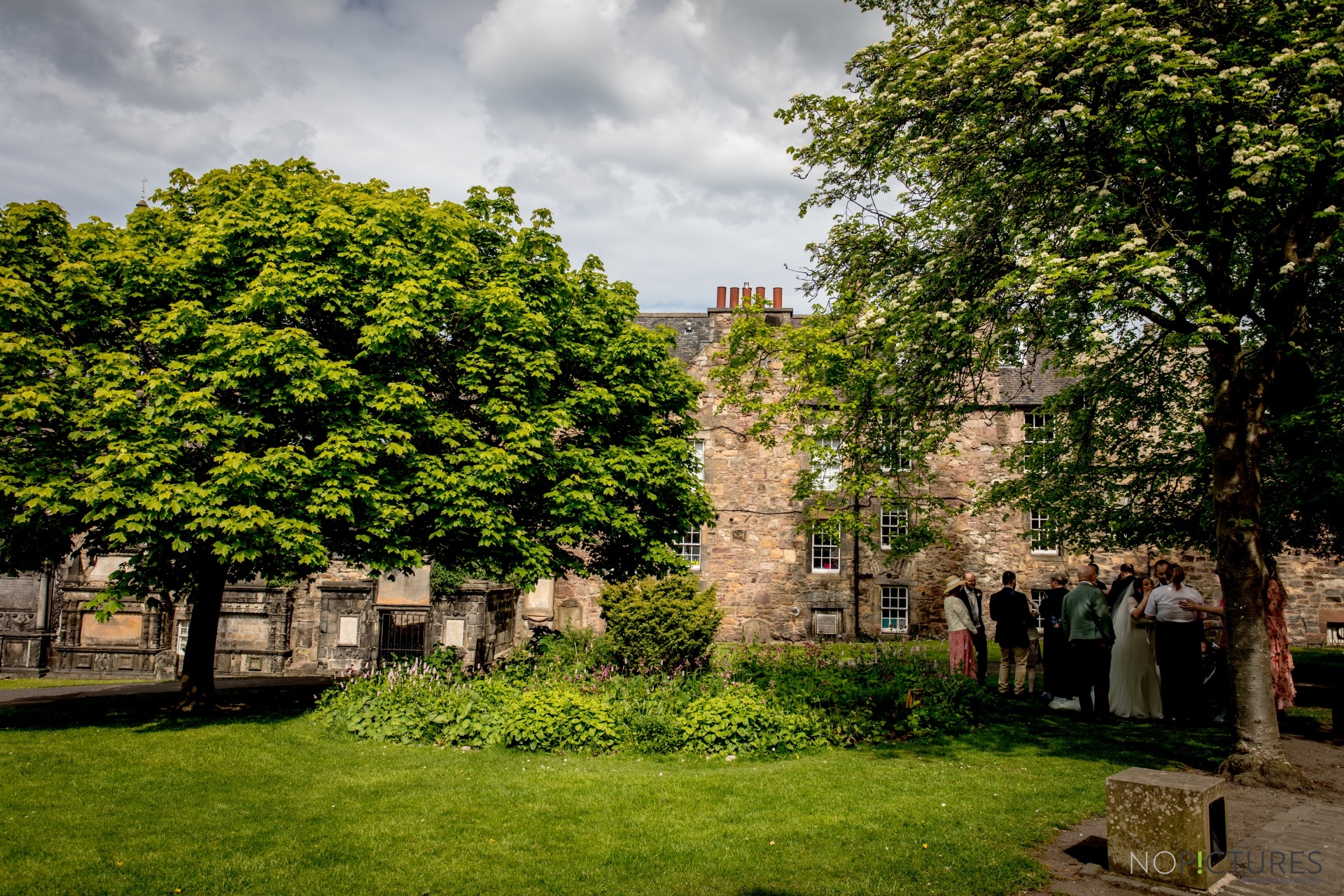
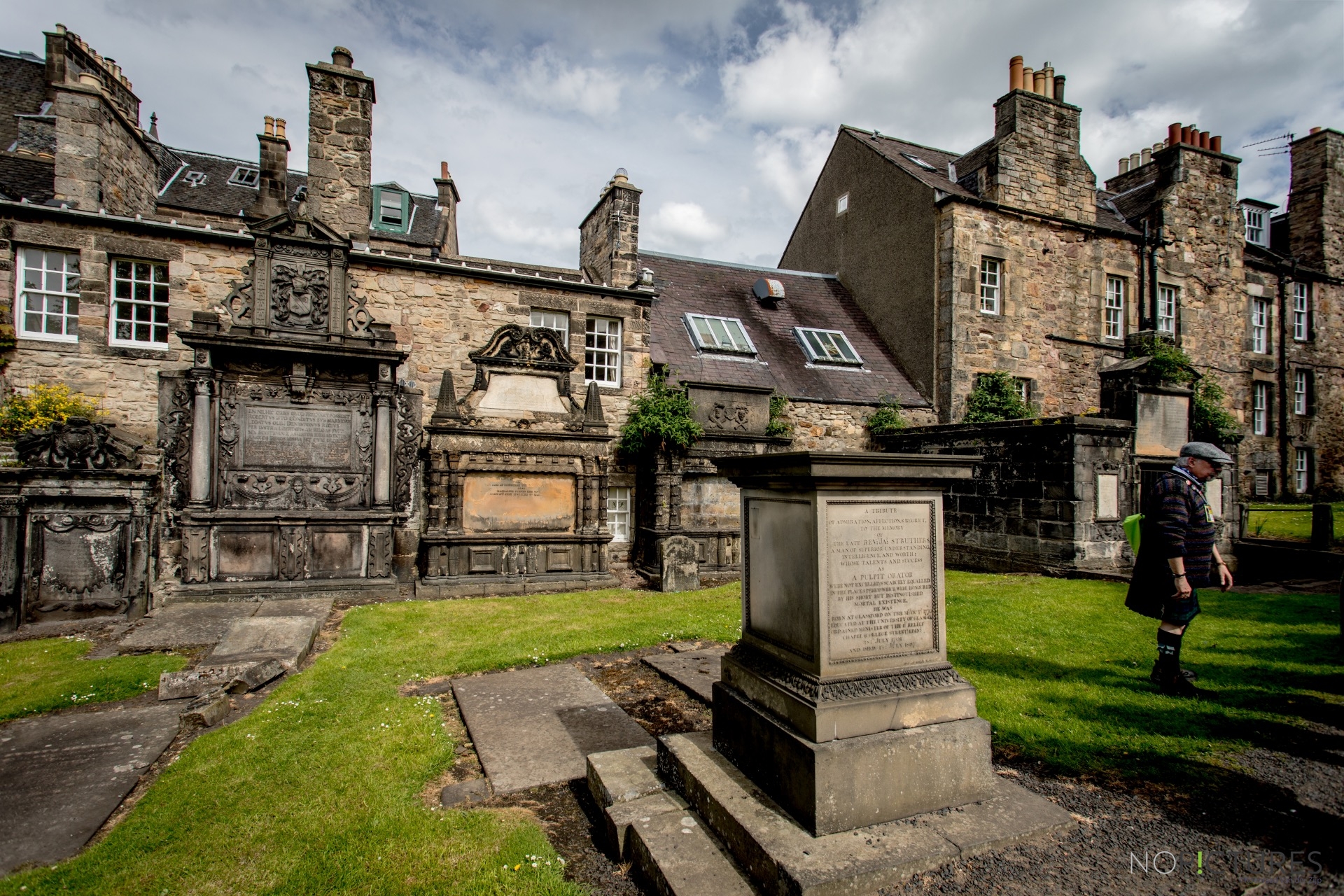
Next to the museum is Greyfriars Kirkyard Cemetery which is named after the Franciscan friary on site.
The friars of which wear grey habits. We didn’t see a single one there, as they stopped living there a long time ago.
It was pleasantly peaceful; away from the hustle and bustle of the city, you can enjoy the majestic trees and decorative graves.
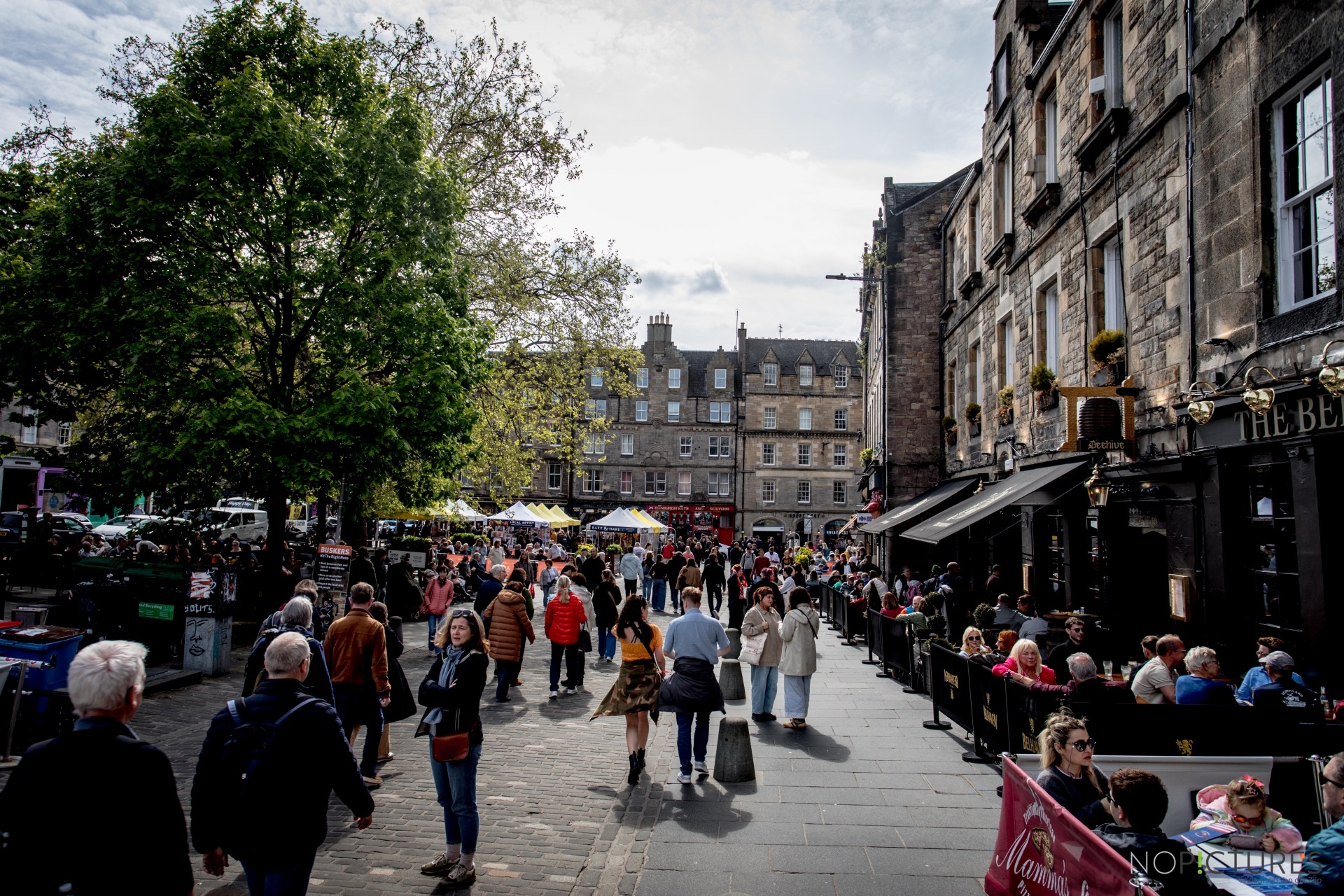
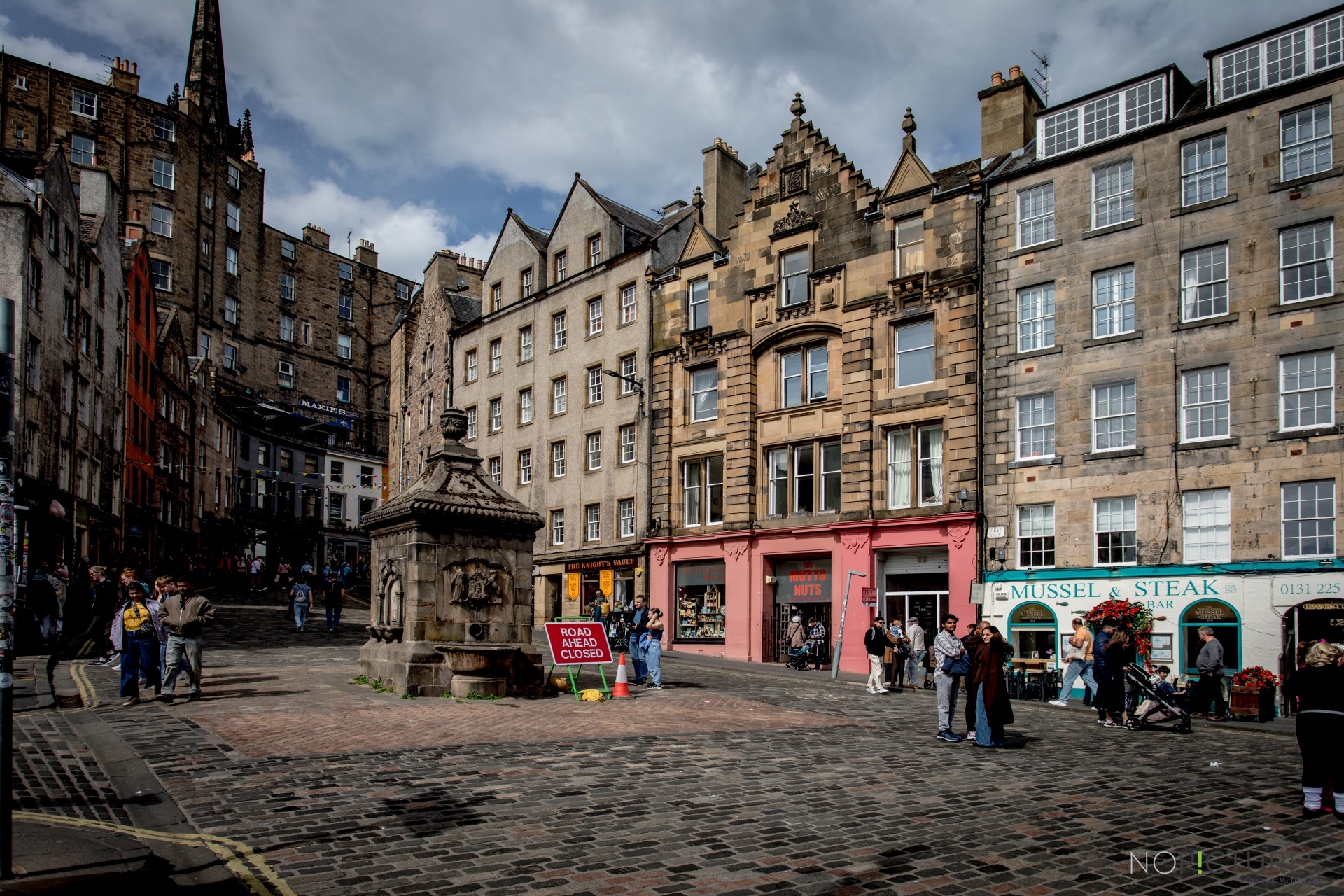
From there, you can walk on to the Grassmarket, a historic market in the old town.
There’s an abundance of outdoor cafés, which creates a lively atmosphere.
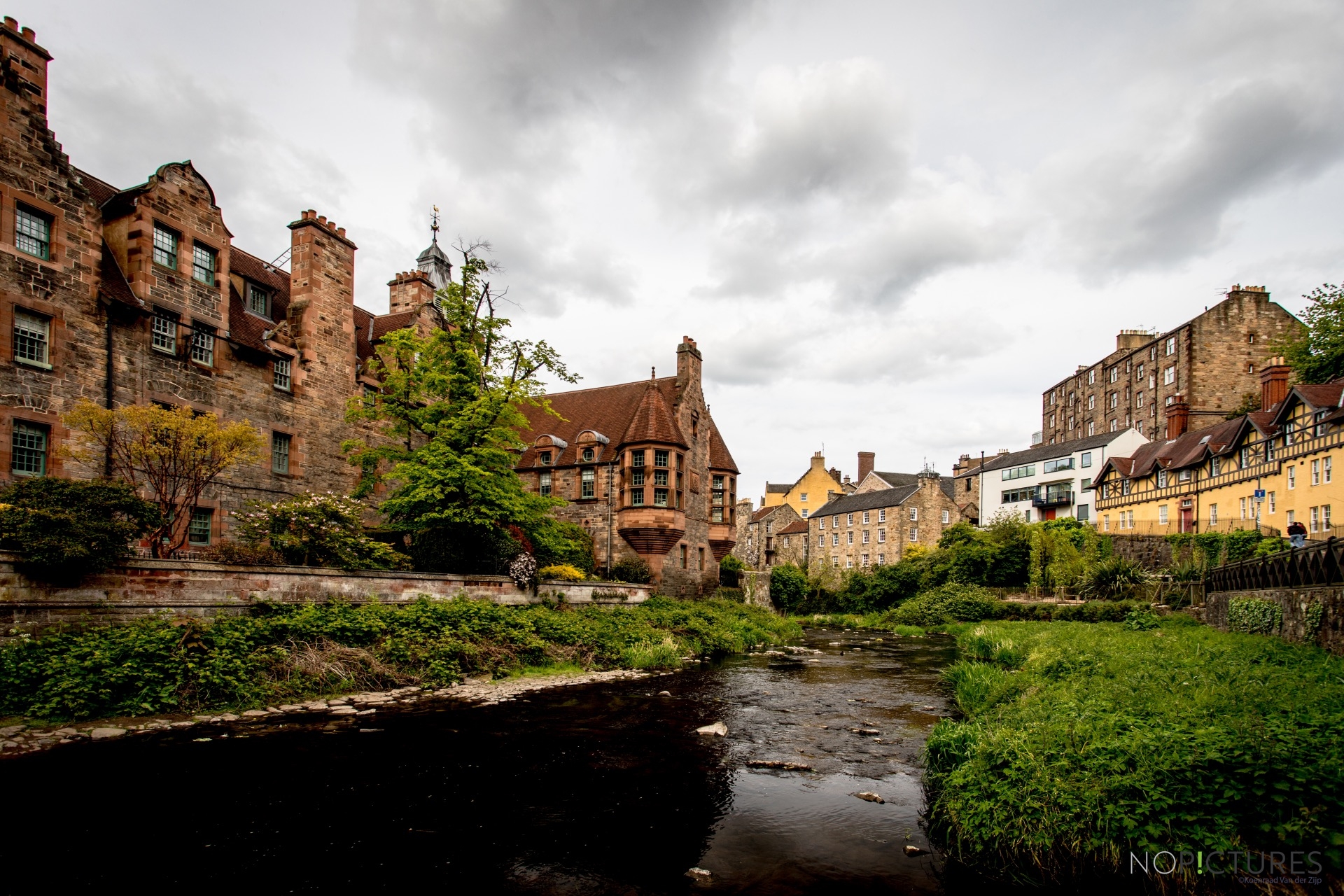
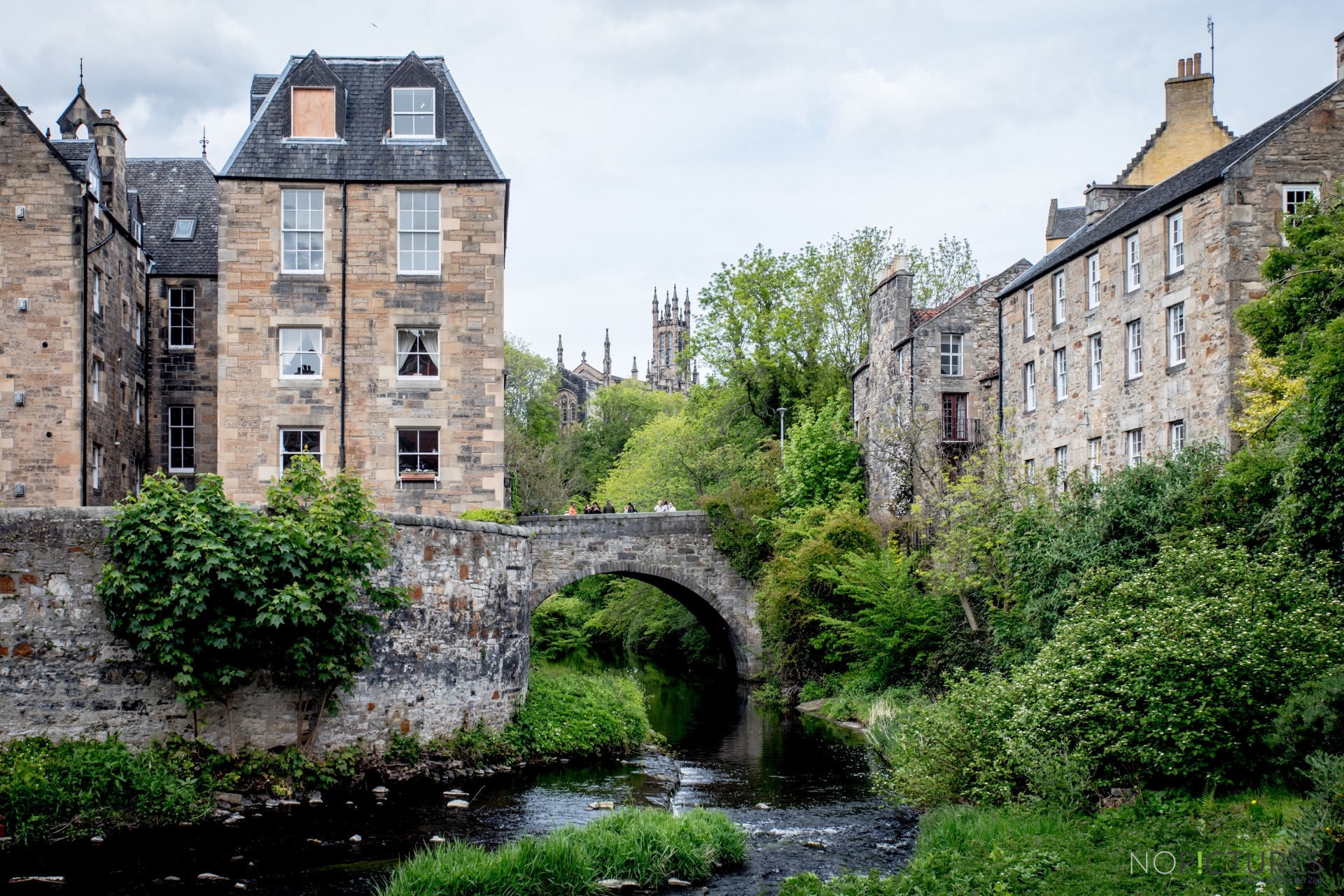
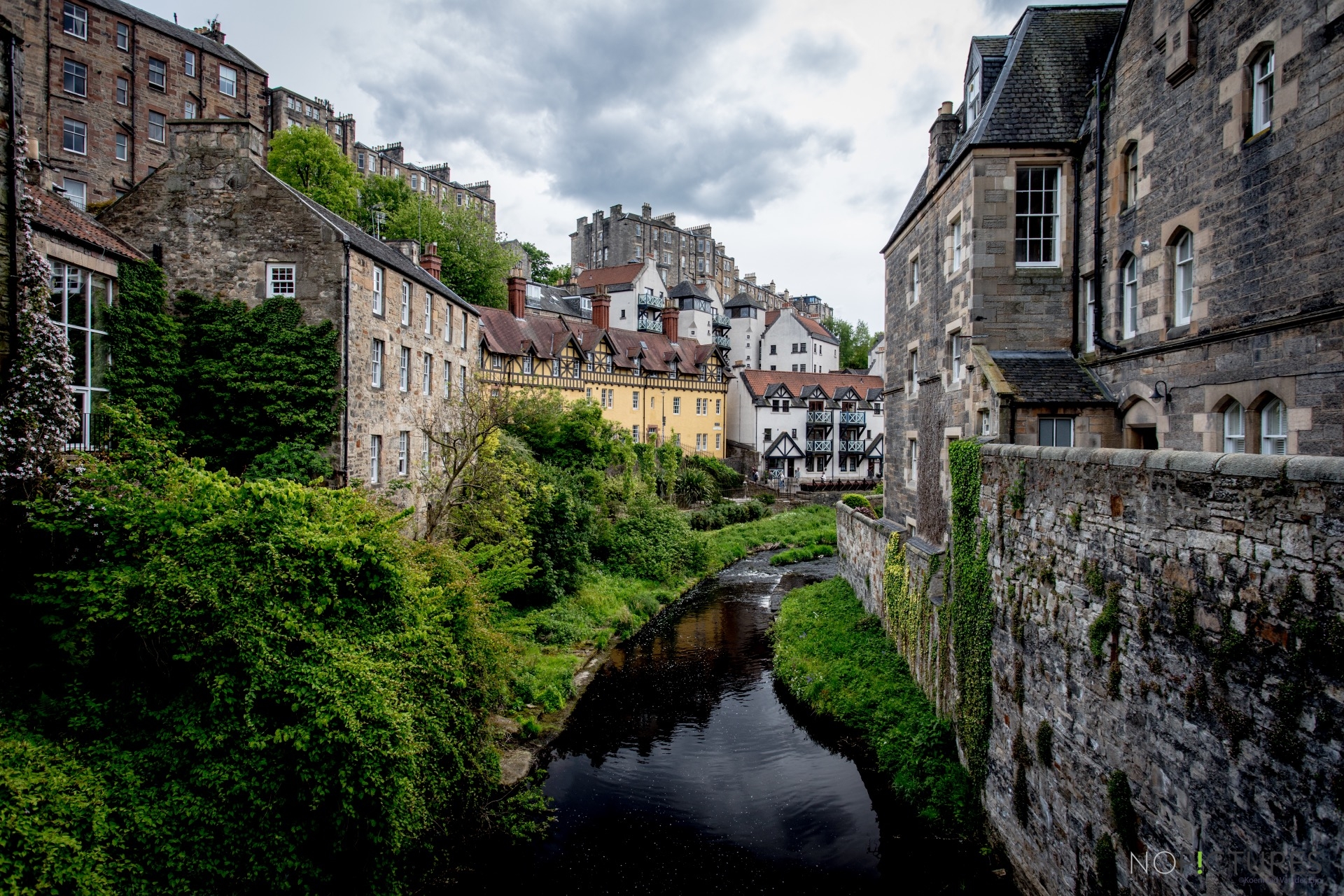
To get away from the tourist crowds, we went for a walk in Dean Village, which lies north-west of Edinburgh city centre. It is situated in a valley alongside the river, aptly named the ‘Water of Leith’.
In the distant past, it was a thriving milling centre, with no fewer than 11 water mills for grinding grain.
These days, it is a popular place to live peacefully; it feels a bit like an oasis in the midst of a busy metropolis.