Next to the main museum you have a second building which houses a remarkably preserved 43-meter-long solar boat, discovered beside the Great Pyramid of Khufu. Ancient Egyptians believed these boats transported pharaohs through the afterlife, offering a glimpse into their spiritual beliefs and funerary practices.
King Khufu’s Solar Boat was discovered in 1954 by Egyptian archeologist Kamal el-Mallakh at the foot of the Great Pyramid.
The boat was hidden under the sand in a sealed pit. Kamal suspected that there was another boat hidden somewhere. And he was right. It took more than ten years to reassemble the first boat, weighing 45 tonnes and measuring 42.32 metres in length, made from Lebanese cedar wood.
It was not until 1982 that it was displayed to the public in a small museum next to the pyramid. In August 2021, the boat was moved in its entirety to the Grand Egyptian Museum. The specially designed building was not yet ready at that time.
The boat had to be lifted in through the roof by means of a huge crane.


Space has also been provided in the museum for the second boat. It will be assembled piece by piece in the museum so that visitors can witness the entire process. During our visit only a metal support framework was in place to accommodate that boat.
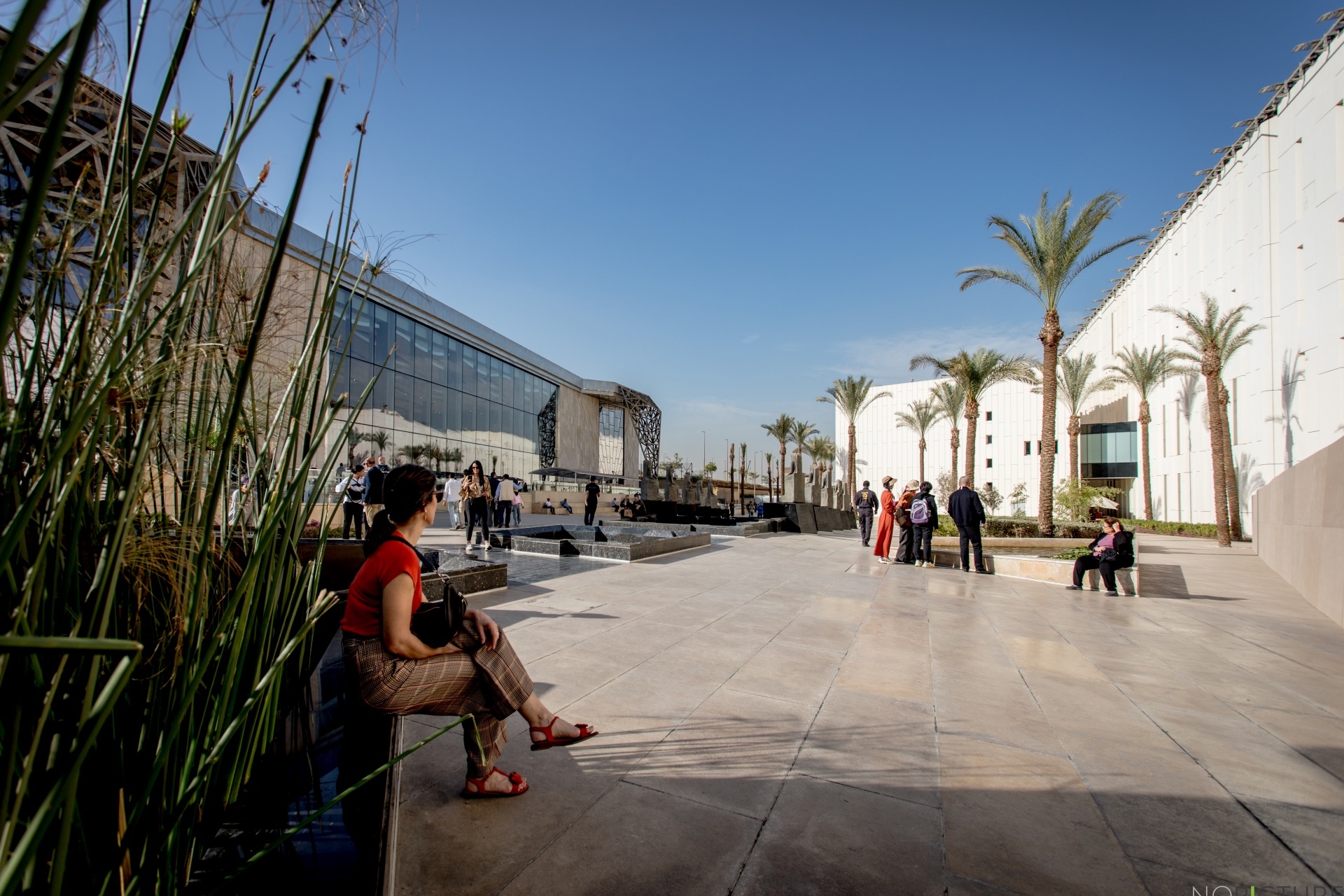
After visiting the nautical heritage site, we enjoyed the winter sun in the garden and had a small bite to eat in the commercial area.
There are plenty of cosy places to eat with a wide variety of options.
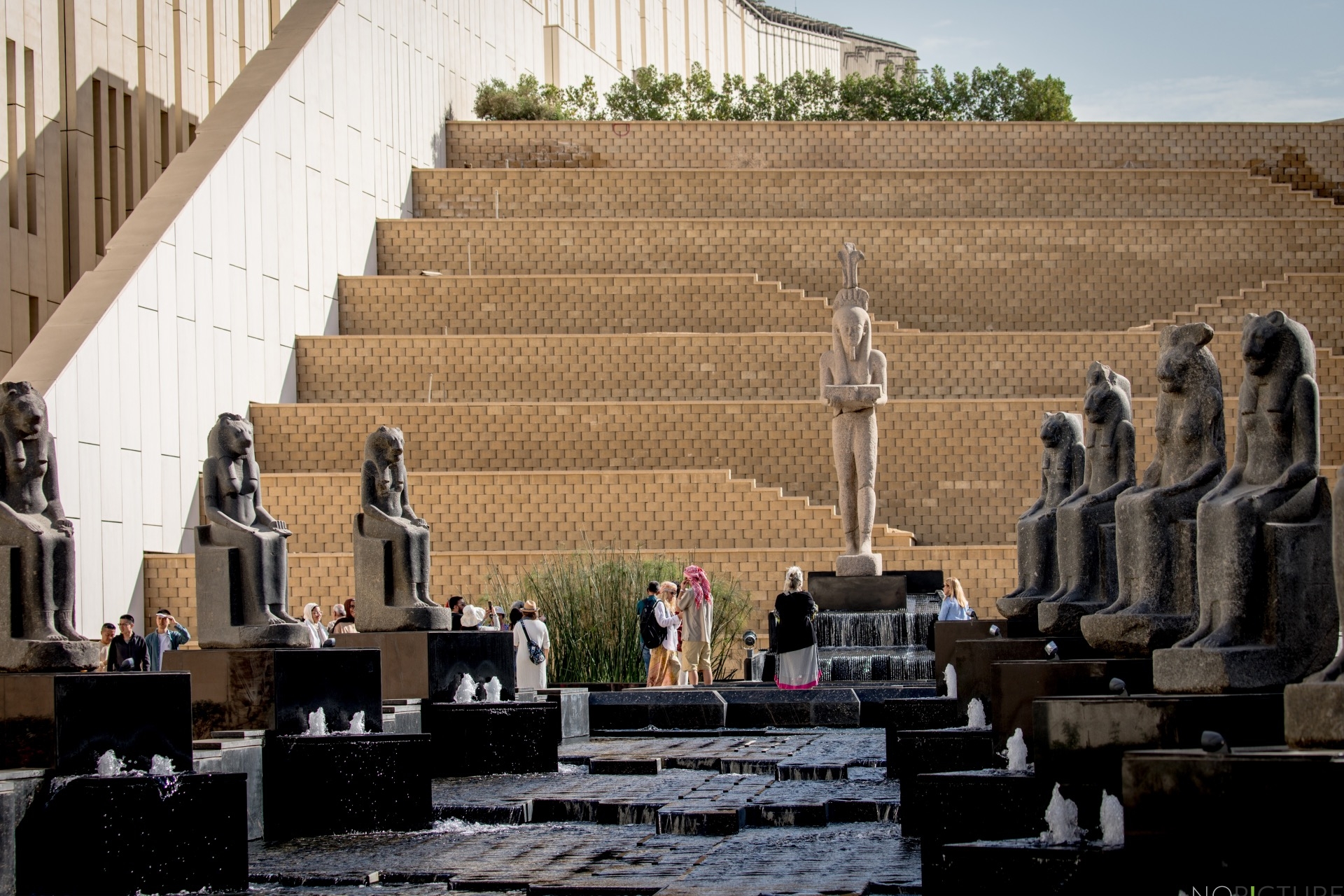
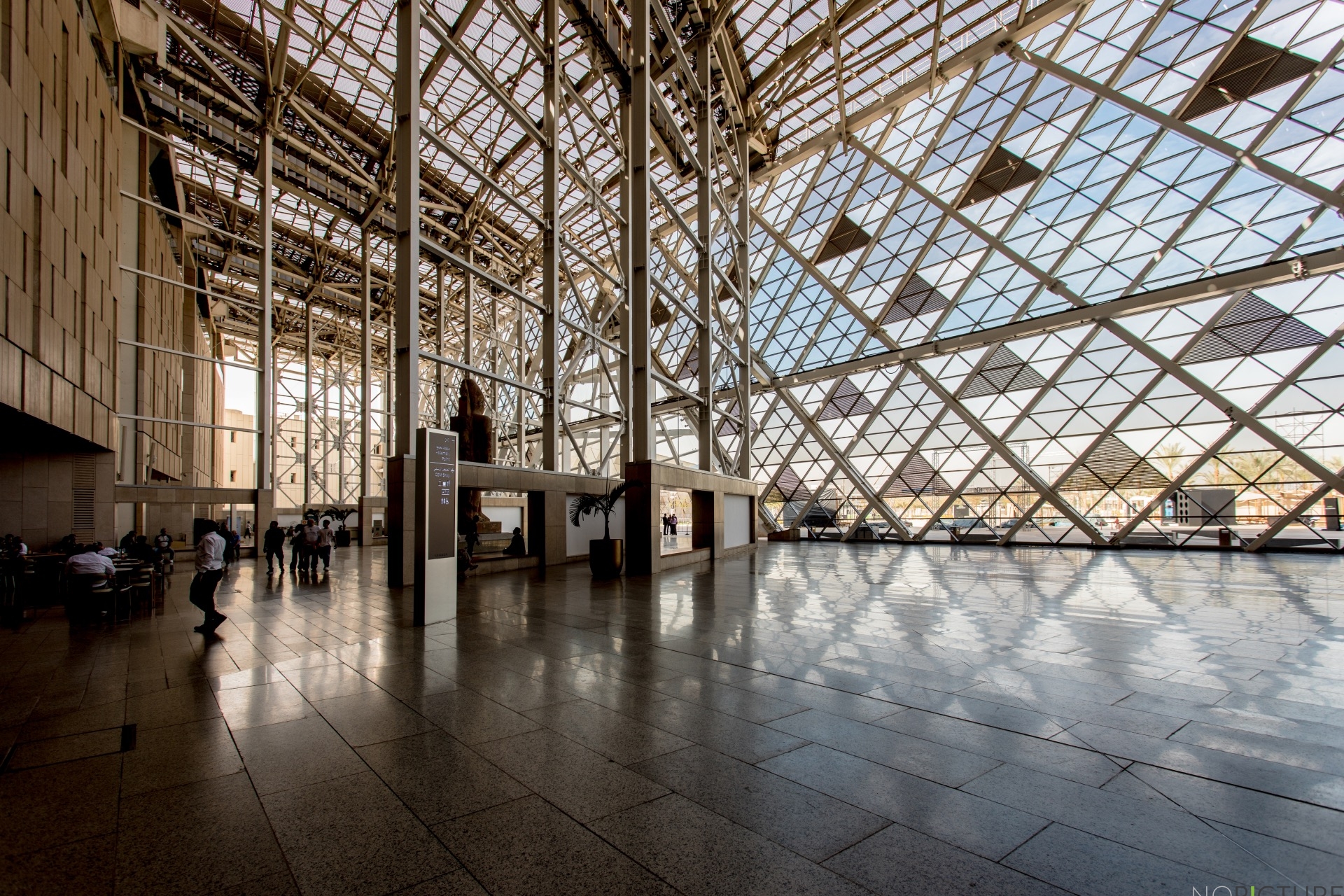
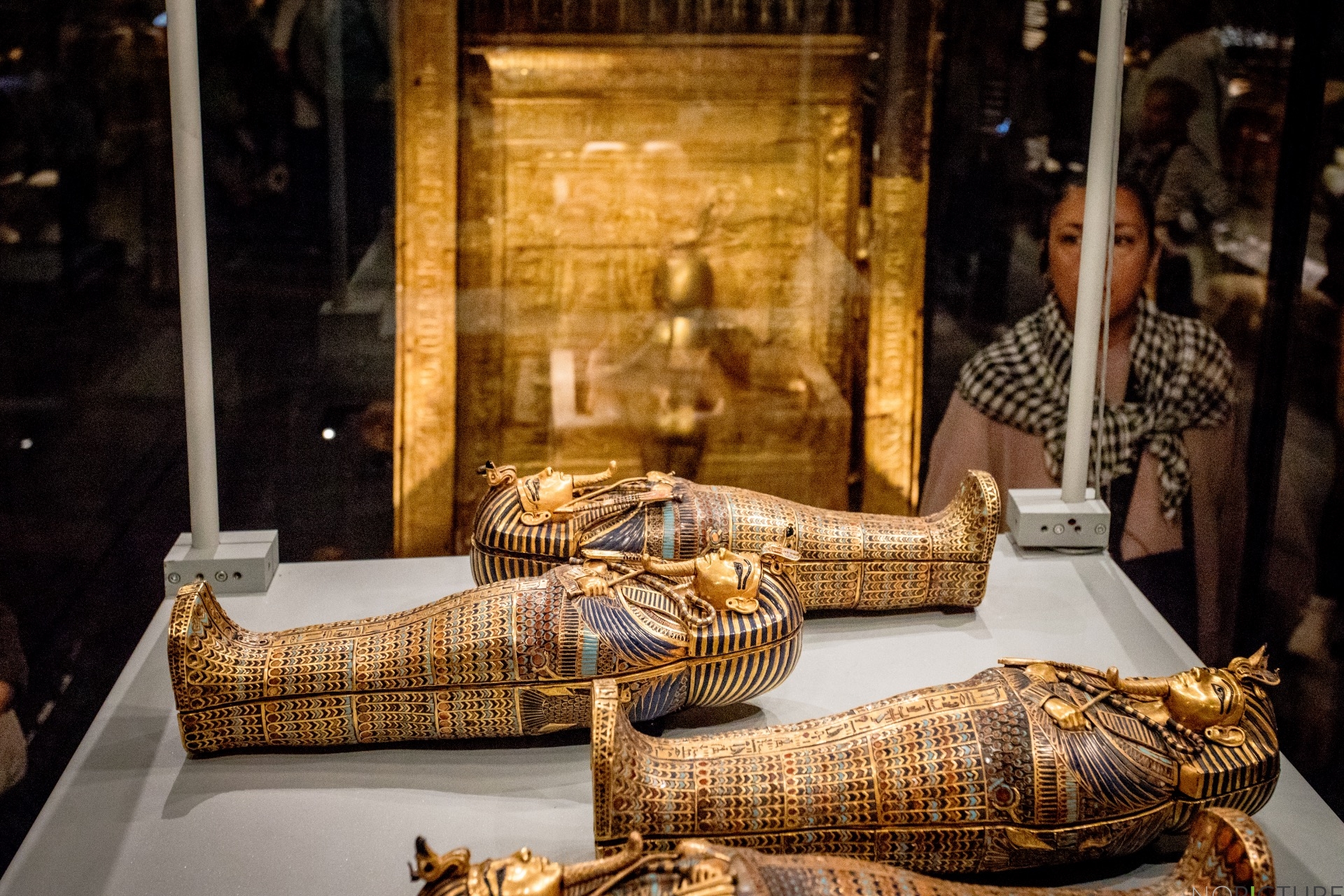
We had booked a guided tour for the morning, which is highly recommended given the extensive collection, and spent the afternoon exploring on our own. First thing we did was climbing the Grand Stairs again. They really are one of the highlights of the museum. But of course there was much more to see. The following photos are just a small selection of what was on display.
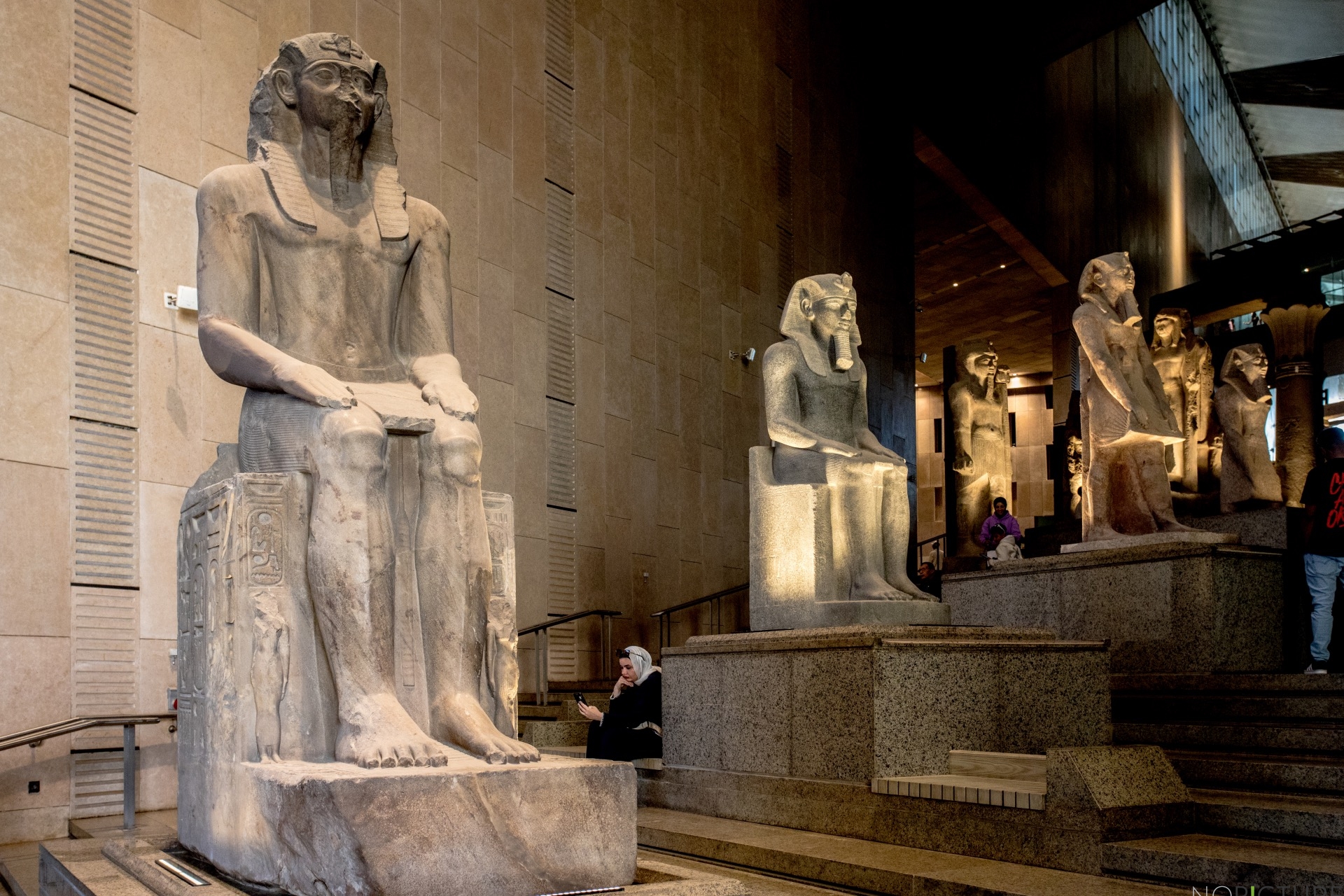
In ancient times, sculptures were sacred and it was normal to believe that they had magical powers. People were therefore afraid of them. If the God or person depicted was controversial, the sculpture was destroyed to undo its powers. In the case of Egyptian statues, the mouth and nose were chiselled away so that the sculpture could no longer “breathe”. Sometimes the ears were also removed so that the God could no longer hear the pleas.
If people can write to each other across space, why can they not write across time too?
– Ahdaf Soueif –
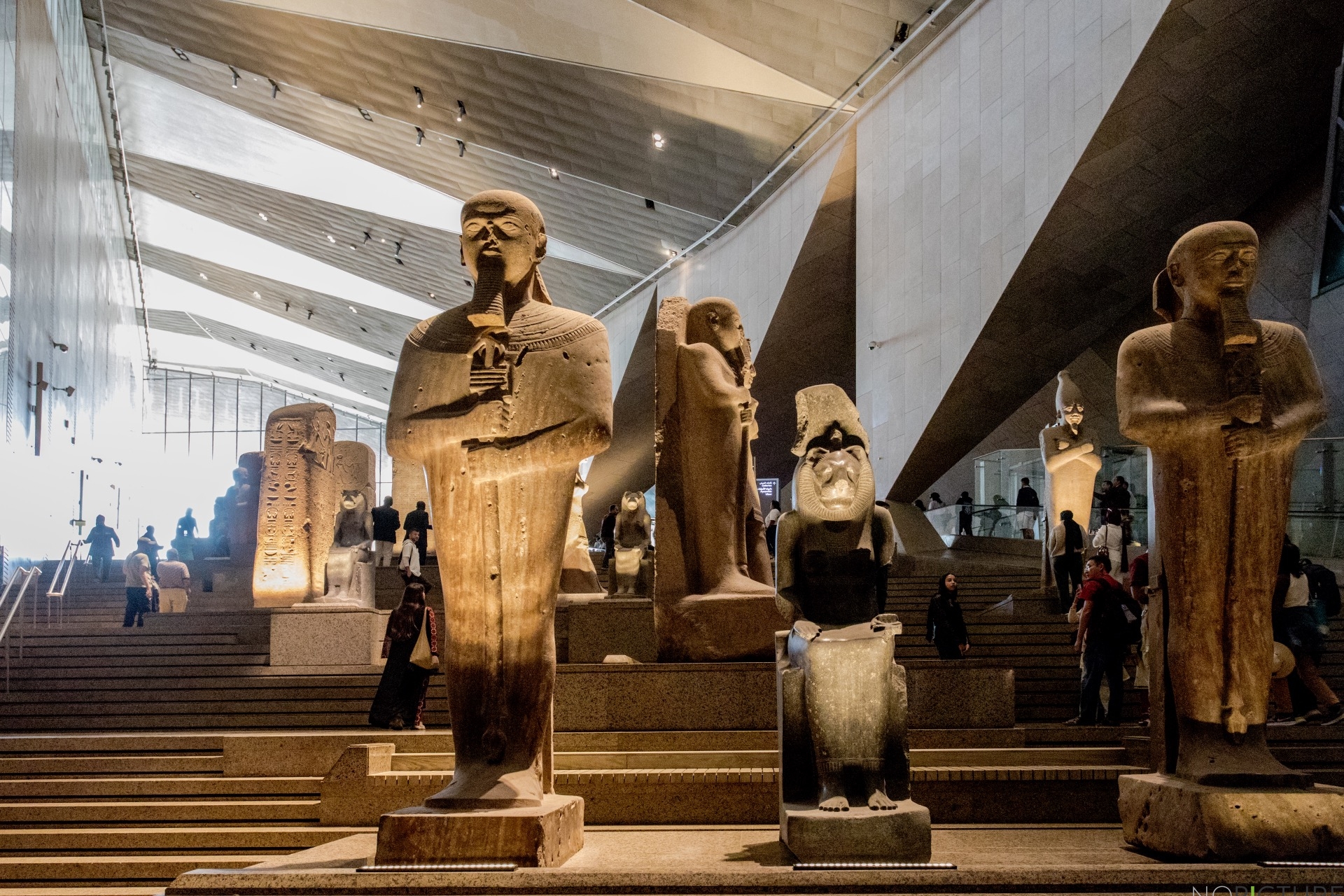
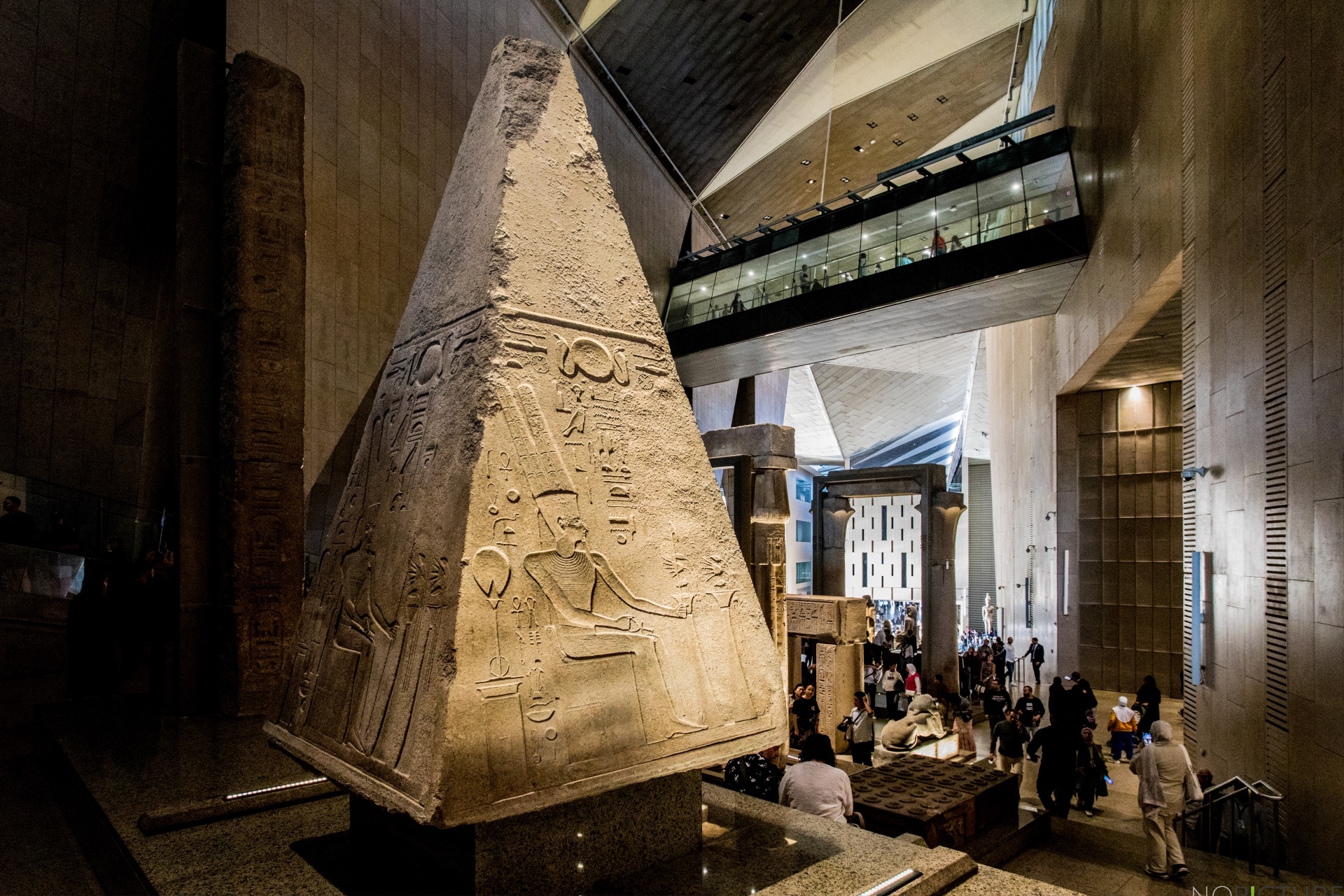
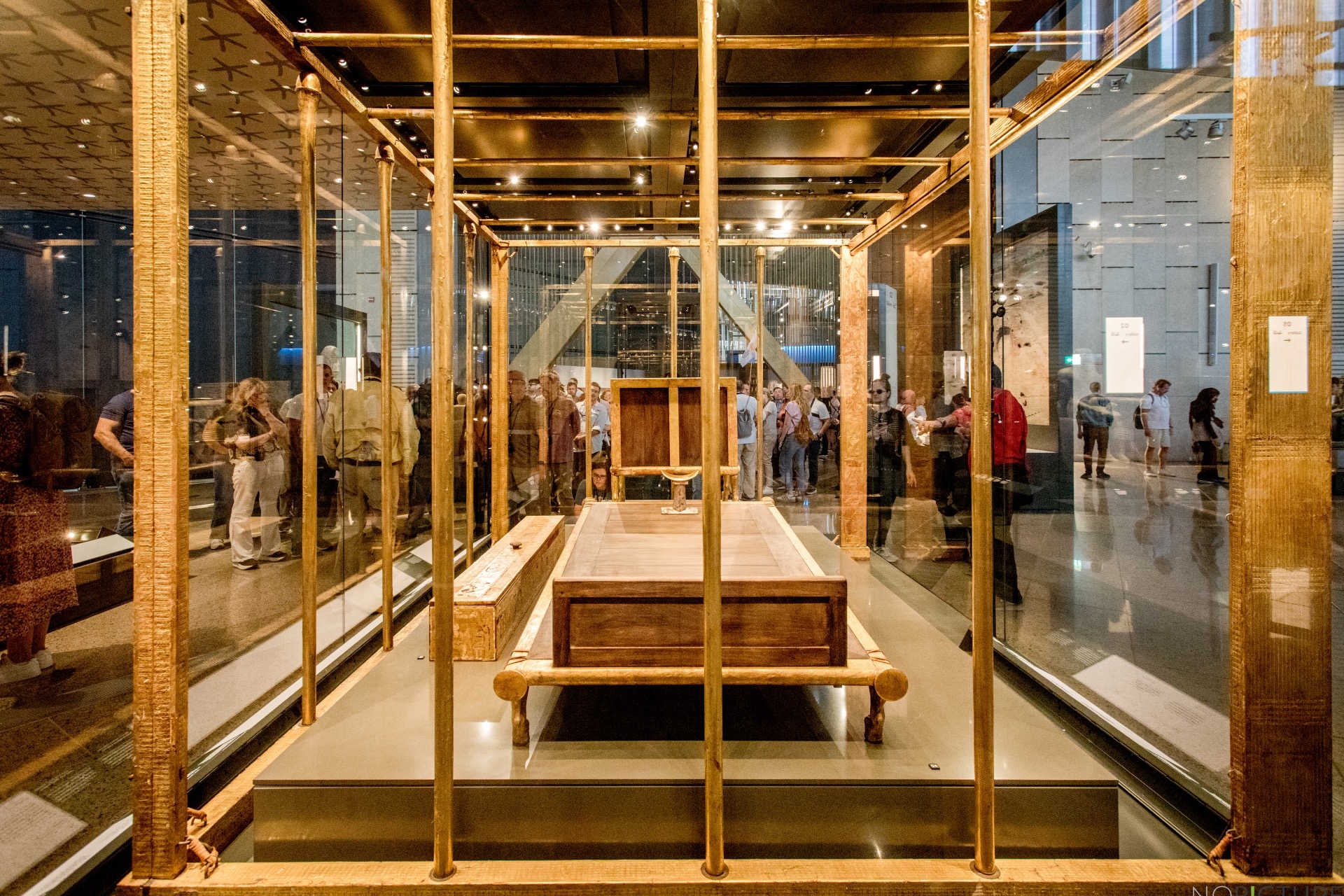

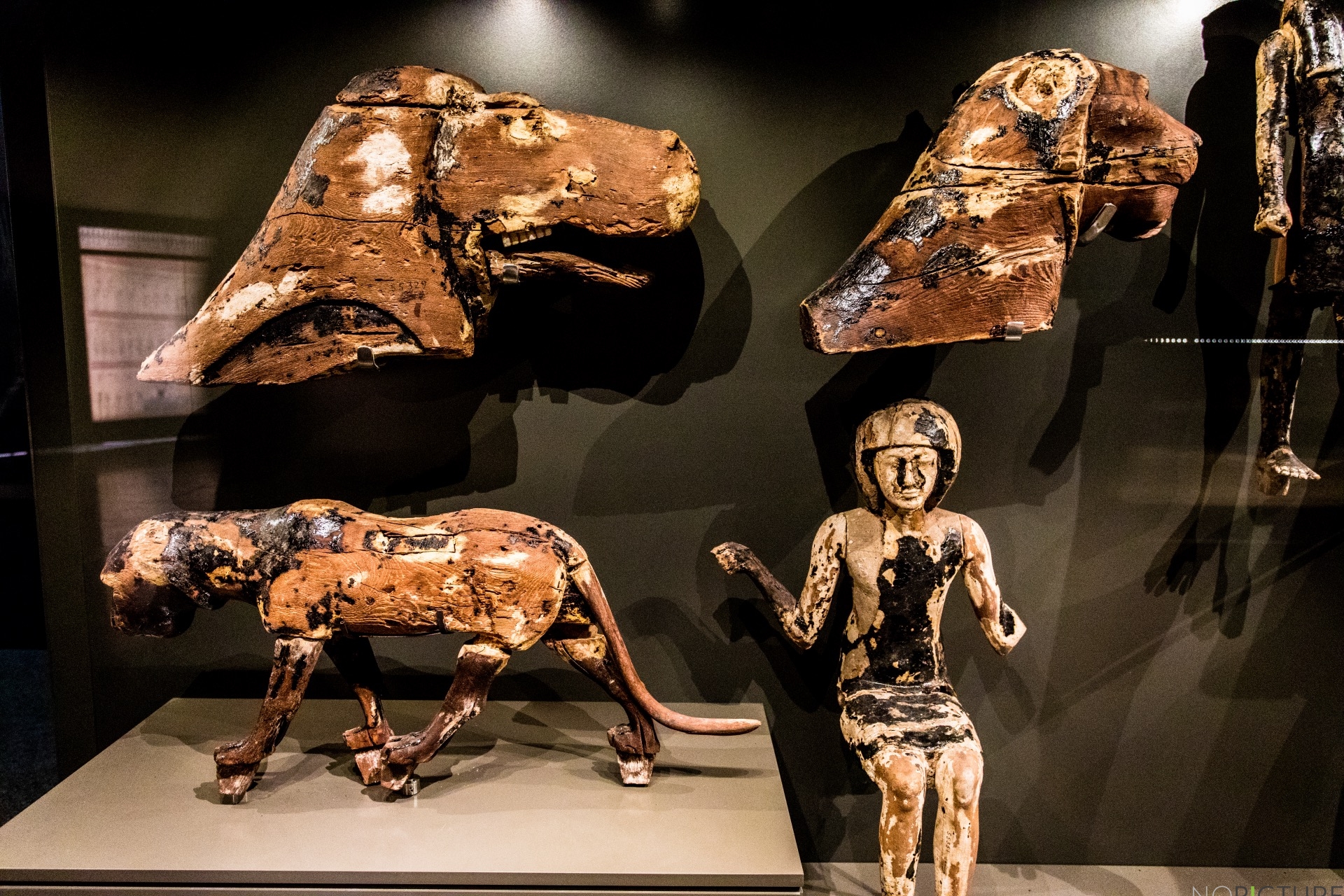

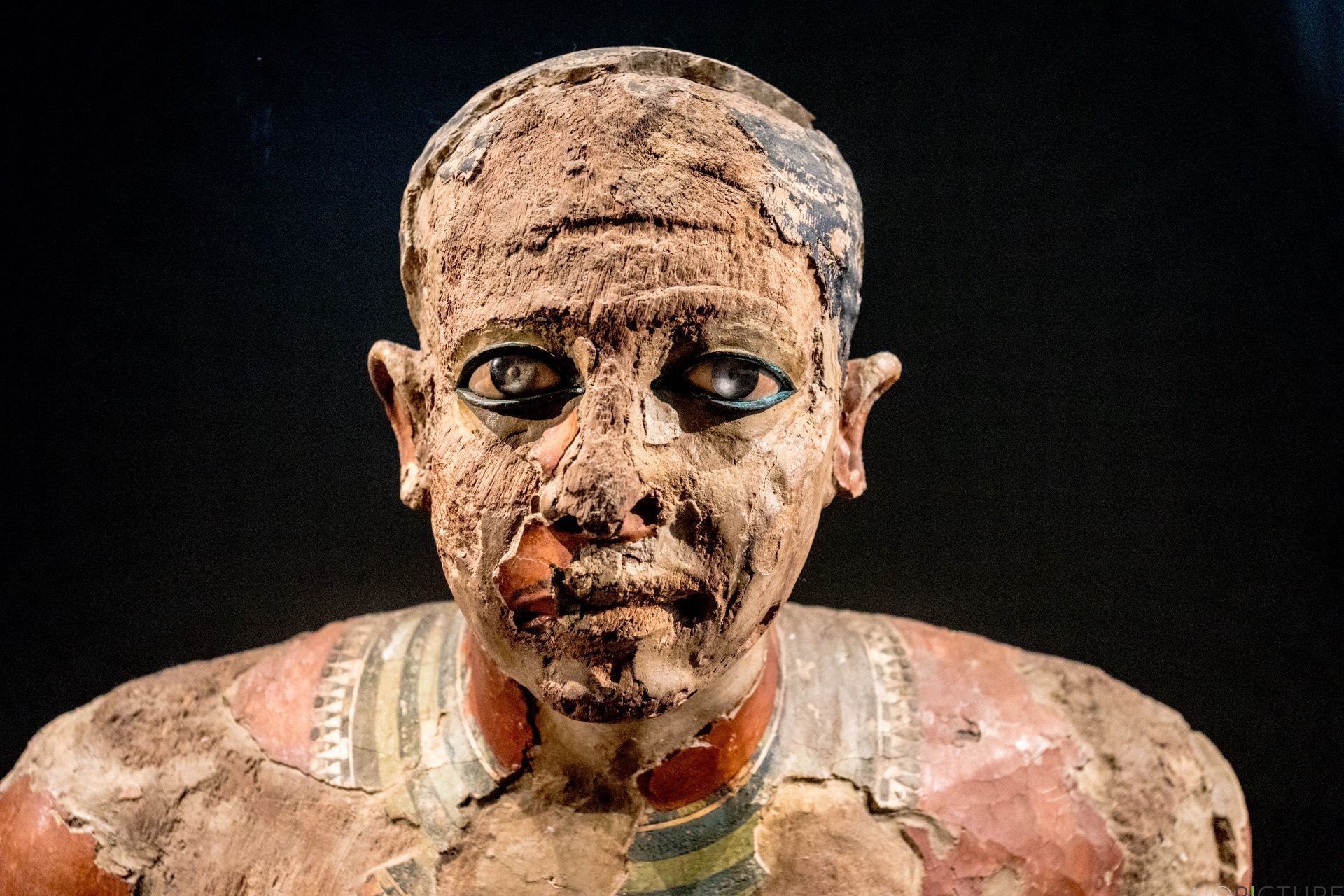

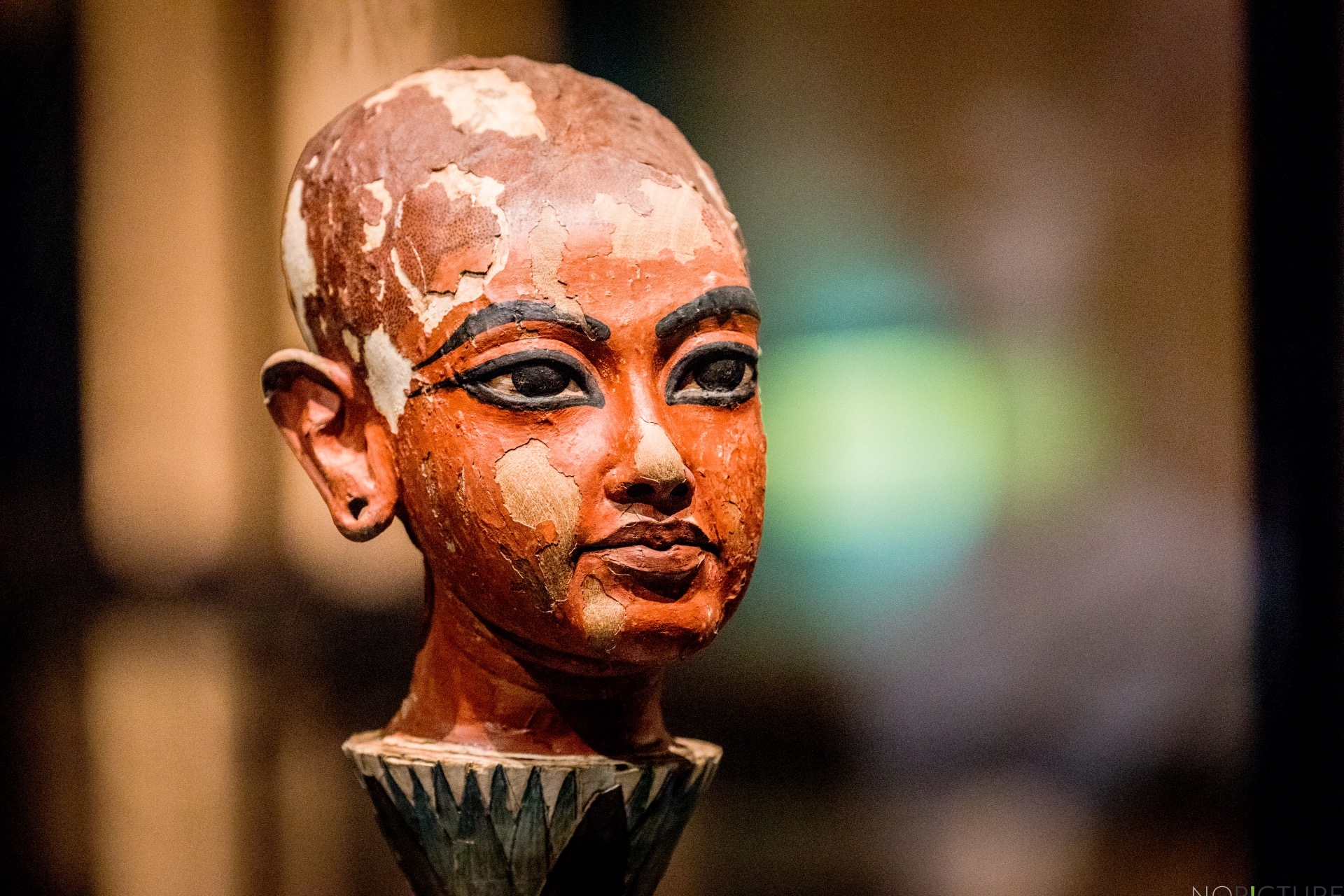


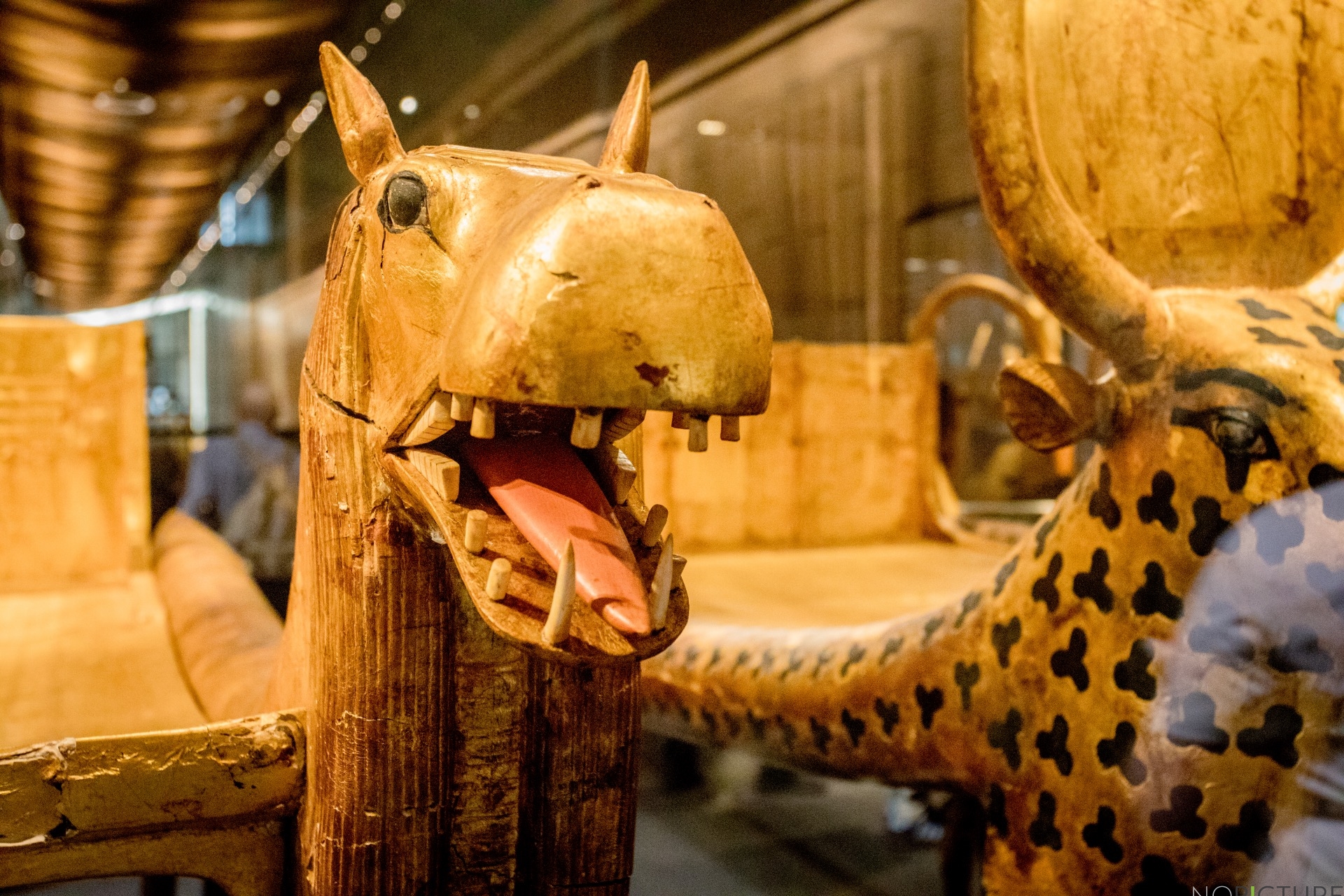
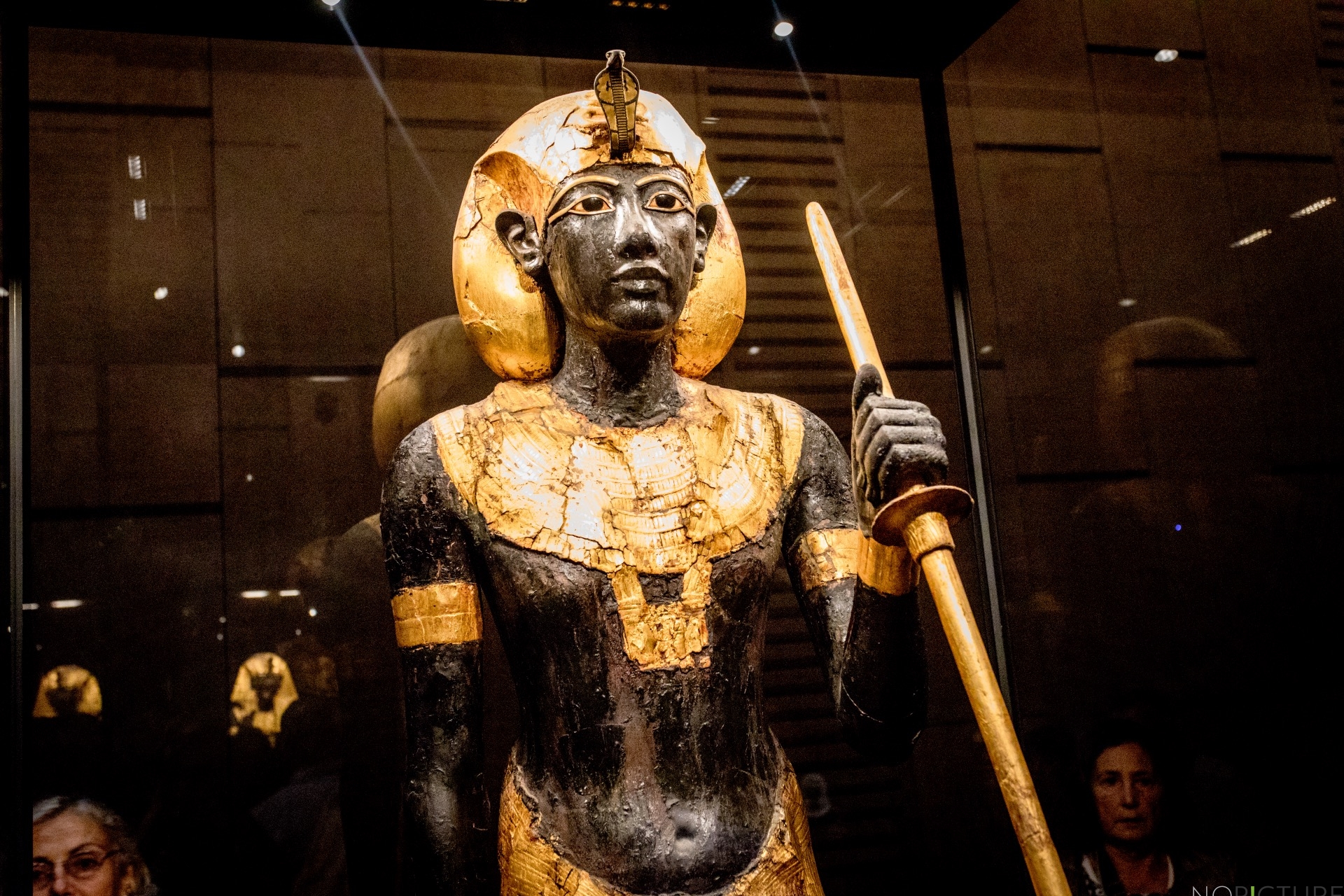
The ancient Egyptians believed that the gods had golden skin, which is why their skin was depicted in the substitute colour yellow. Women were generally depicted with an ochre-yellow skin tone, men with a brick-red skin tone.
White was the symbol of purity and immaculacy. For this reason, the Egyptians were portrayed wearing white clothes.