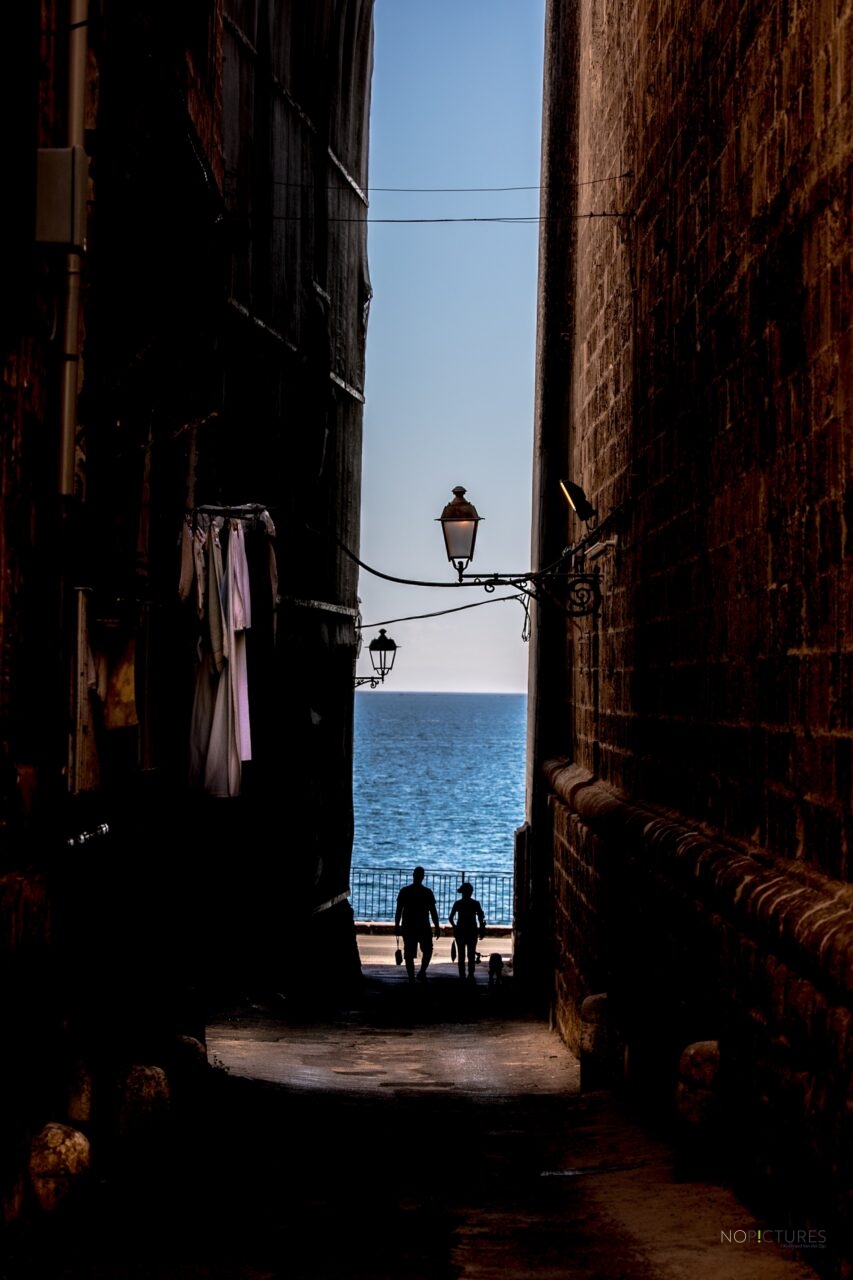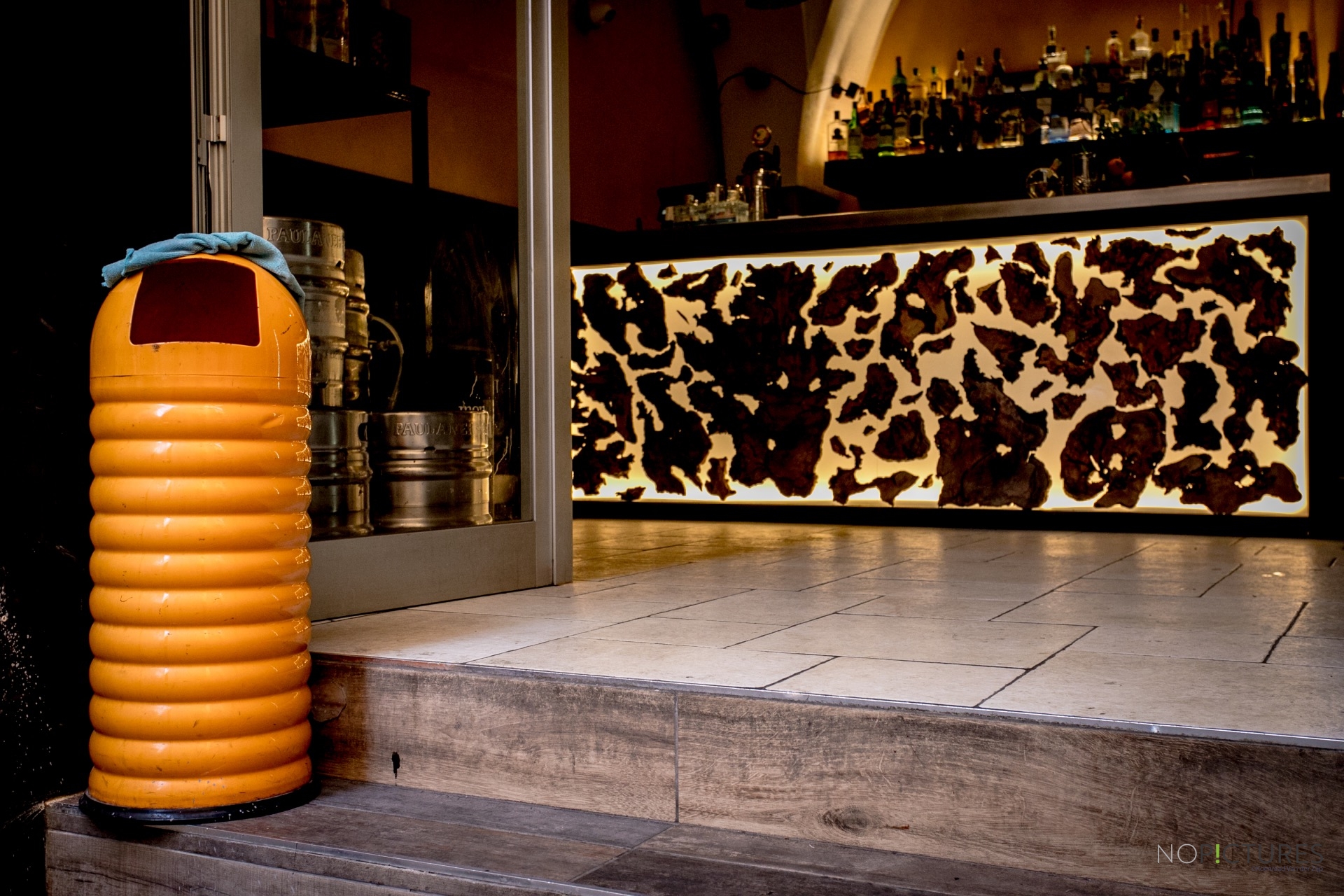
Our next stop was Grottaglie. But before we got there, we wanted to visit Taranto first. We took the coastal road from Gallipoli, passing the Porto Selvaggio e Palude del Capitano nature park, part of which was on fire, Porto Cesareo, Punta Prosciutto and Mandurio. We arrived mid after noon. It’s only 100 km, but because we took the scenic route, it quickly turned into a 3,5-hour drive. But it was worth it, and besides, it’s our holiday.
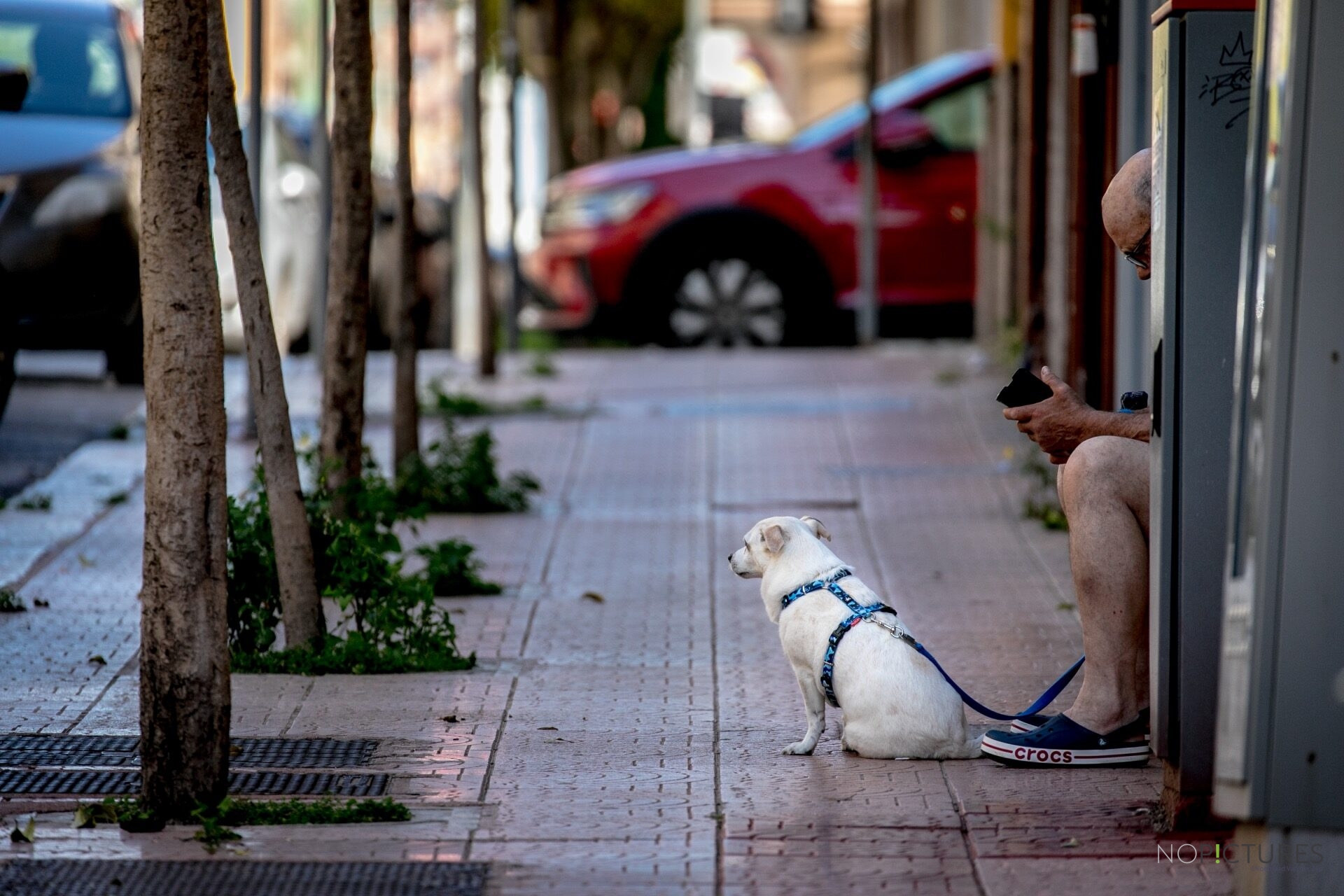

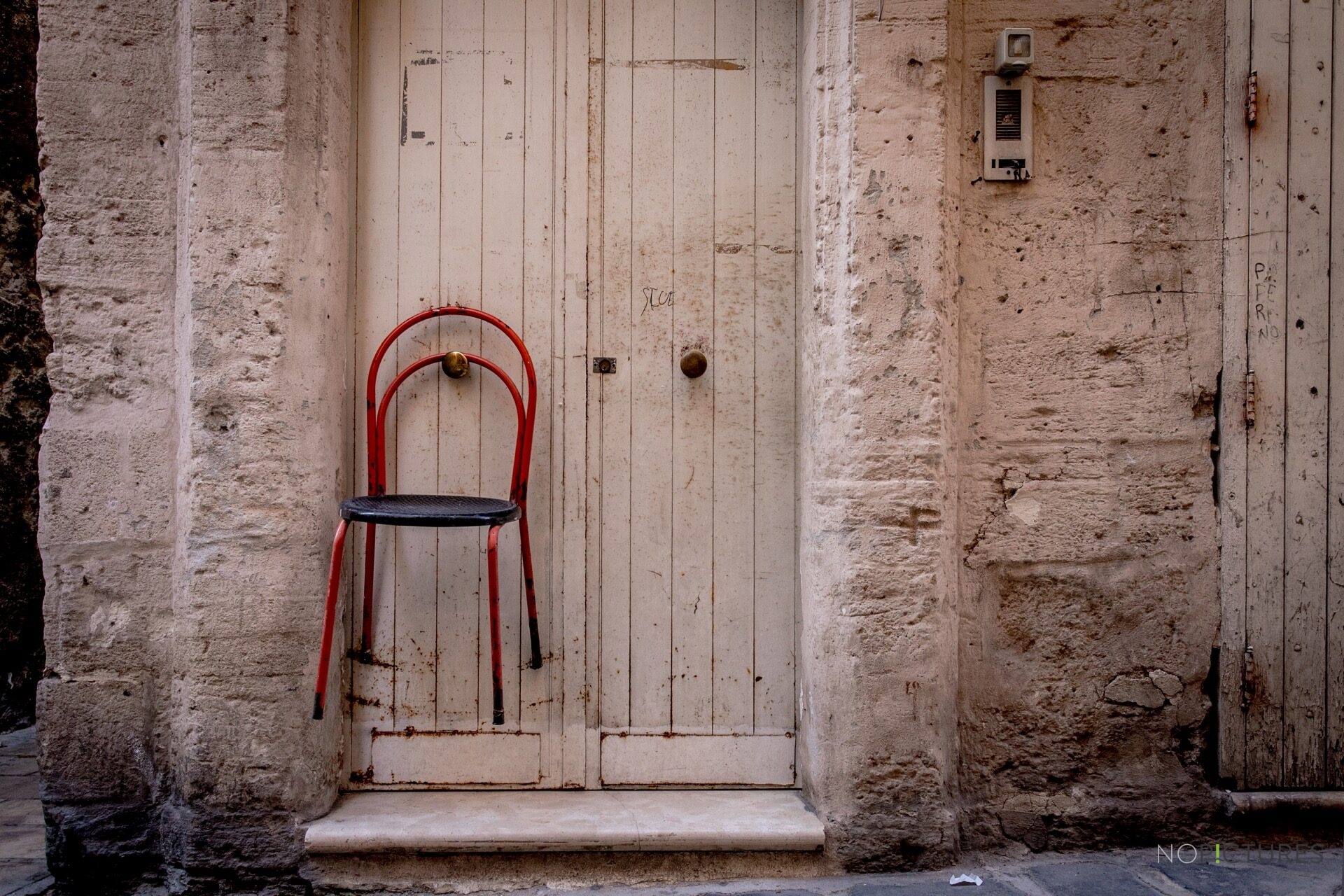
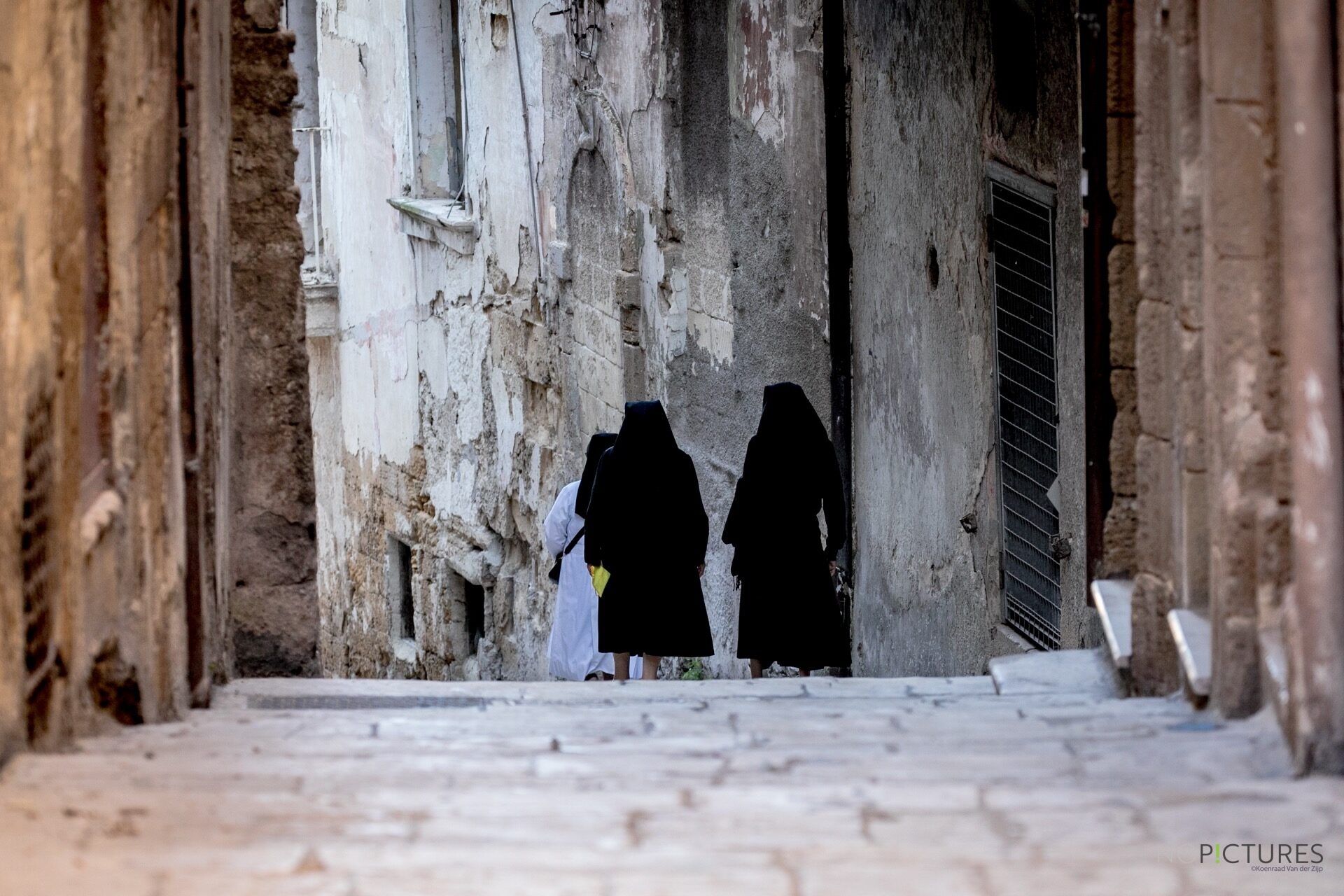
Taranto consists of two parts. There is the new part and the old historic centre, which is actually a small island (0,31km2 ) connected to the mainland by two bridges, Swing bridge & Punta Penna Bridge. It was built by the Greeks and Byzantines around 967 and has hardly changed since then. The old part of Taranto may be tiny, but it is grand in its neglected state. Many of the abandoned historic buildings are shored up because they would otherwise collapse. We were told that the municipality provides substantial subsidies if you buy a ruin. Despite its neglected state, the district still exudes a special atmosphere.
Taranto is sometimes referred to as the City of Two seas, because it overlooks both the Ionian Sea (the Great Sea) and the inland sea, Mare Piccolo or the Little Sea.
The neighbourhood we walked through between Santissima Annunziata and Giardine Piazza Garibaldi in the new part of town has a grid street pattern. The houses are somewhat reminiscent of Barcelona. They are a maximum of nine storeys high and almost always have a balcony. The soft and often used pastel colours: pink, yellow, green, and eggshell white, give it a special look.
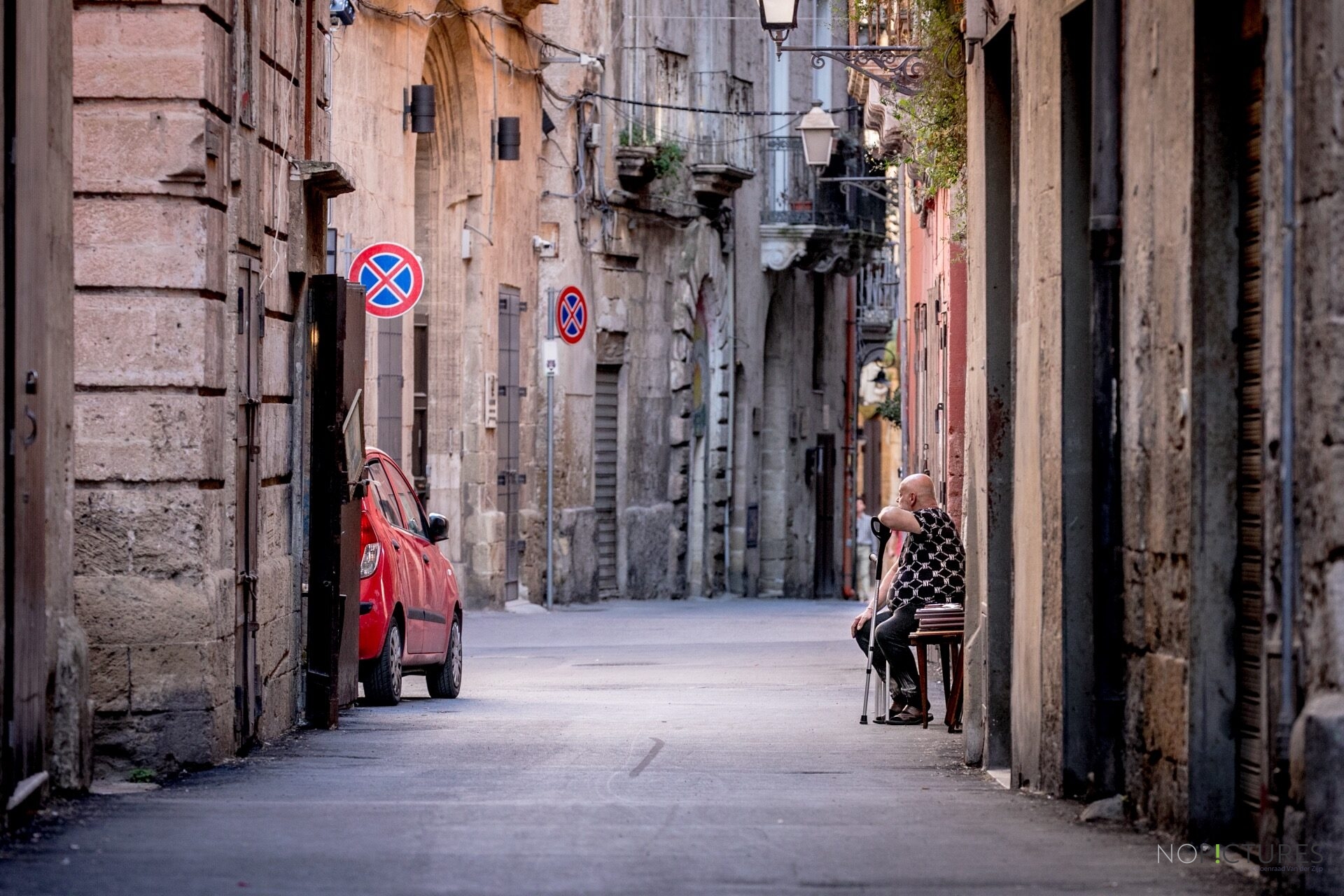

The old town centre, or Borgo Antico, was bathed in a soft satin light as we wandered through it. It was exactly the type of light I love when taking photographs. It gives your images a somewhat mystical touch.
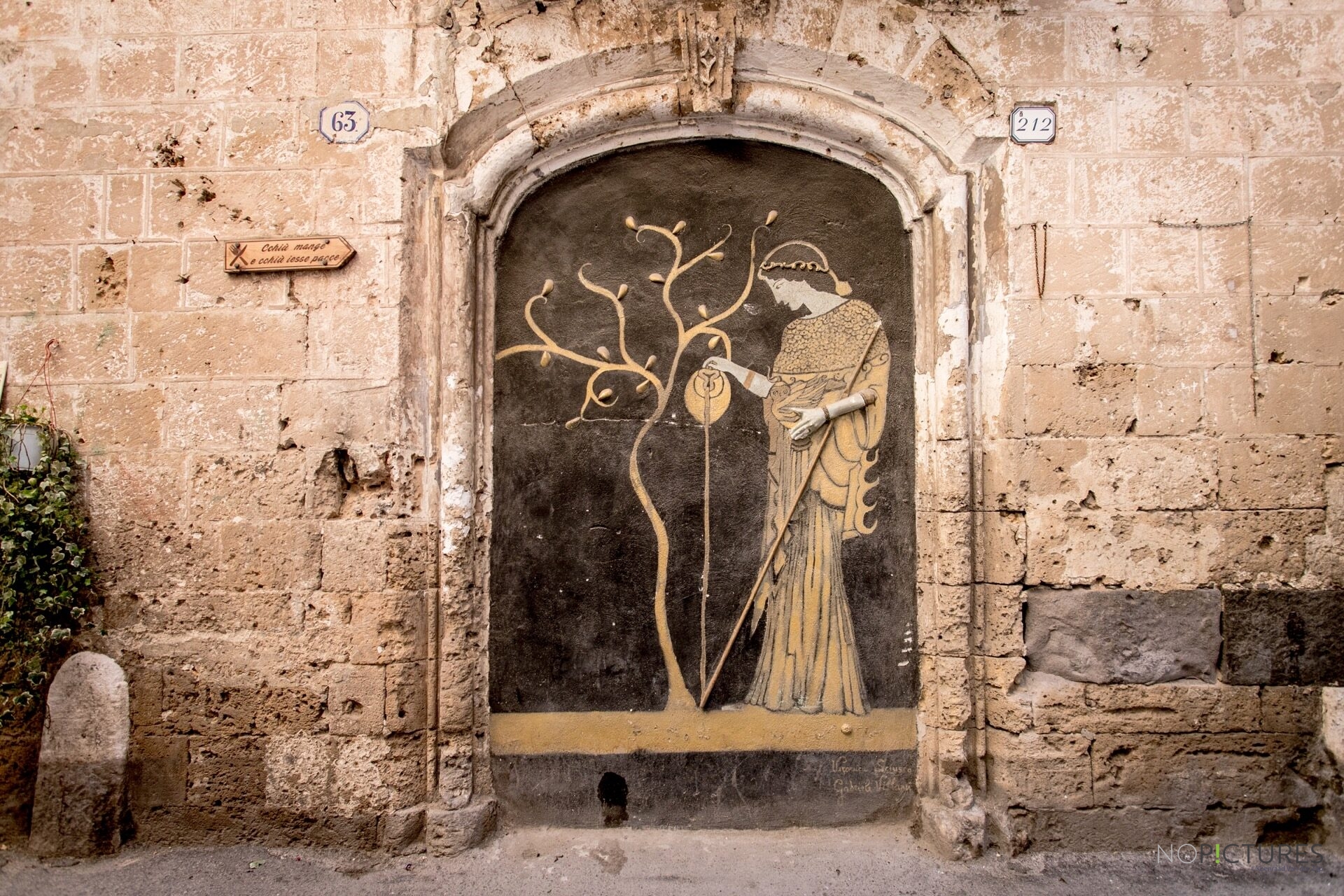
What you do see more often in a neglected historic neighbourhood are artists who use the surroundings and/or buildings as their canvas. And this is clearly evident here in the abundance of graffiti and murals.
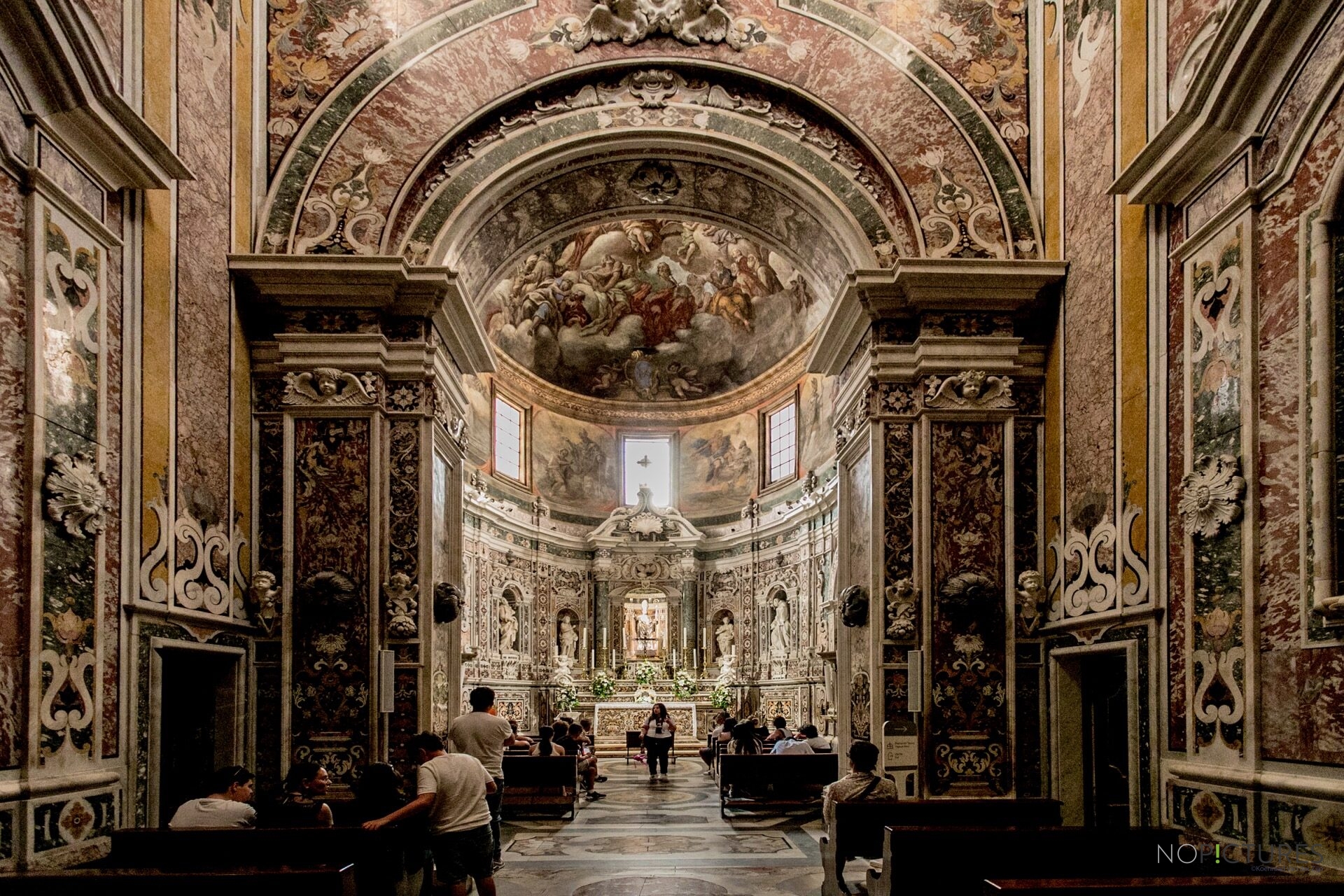
And then you step inside the Basilica. Your first impression is, yes, it’s quite beautiful. But then you step into the chapel and are immediately stunned by the beautiful marble and lapis lazuli.