

North of Namibia lies the most famous National park, Etosha.
In 1967 it got the status of National park. It spans an area of 22270 km2 and was named after the large salt pan Etosha.
That salt pan has an area of 5000 km2. Due to its hypersaline conditions the number of species surviving there is limited. During our visit to the park, the salt pan was bone-dry and looked crusty like a well-baked bread.

One recommendation when you visit the park.
Although you can cruise the park on your own pace, book a guide.
With their walkie-talkies they stay in contact with each other and they know almost exactly where you can spot some of the big five.
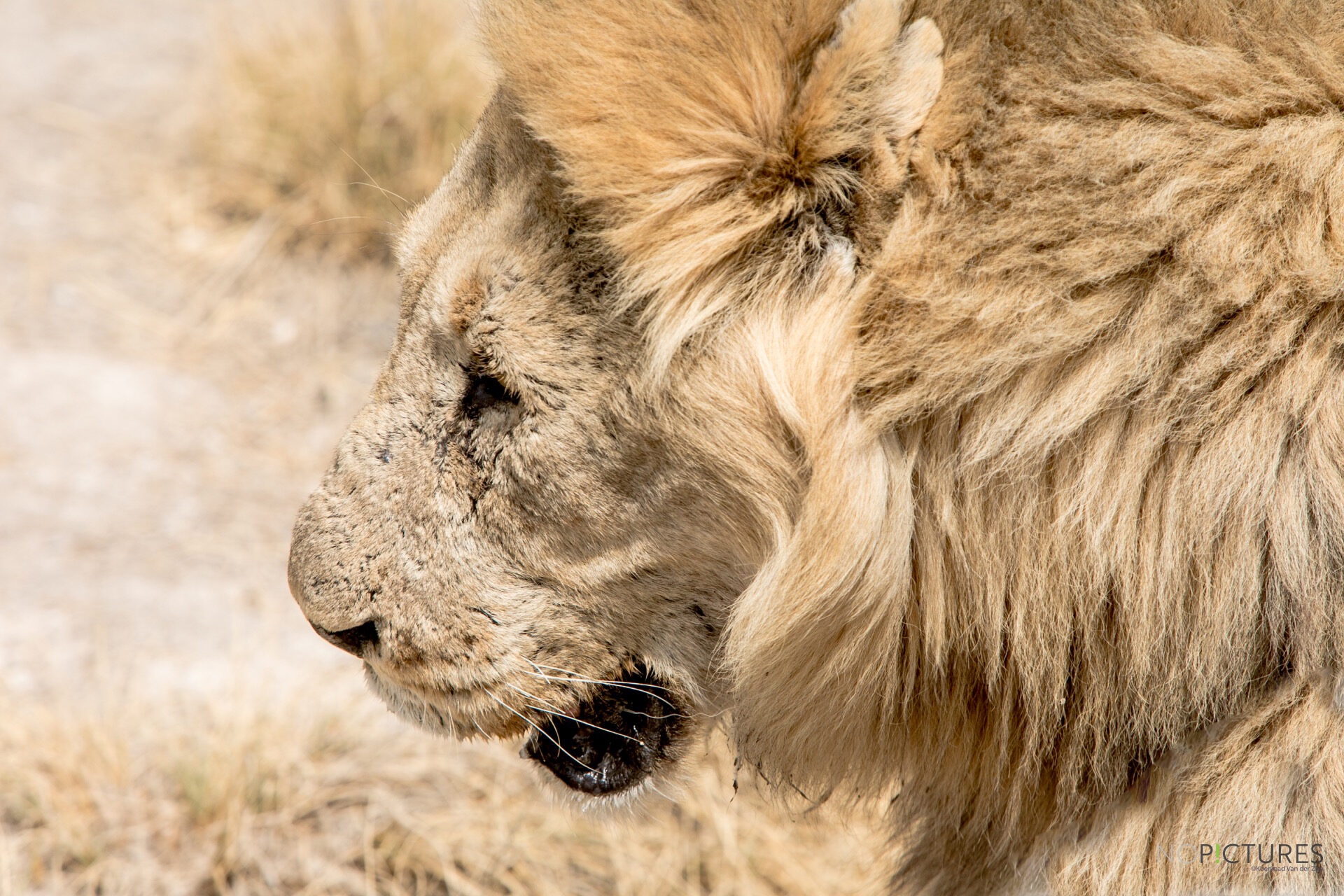
Our guide Binius, from the Ongava Game Reserve, seemed to have a sixth sense for that. Thanks to him we were in the ideal position to witness the picture above.
The lions literally walked straight to us and laid themselves down to rest.



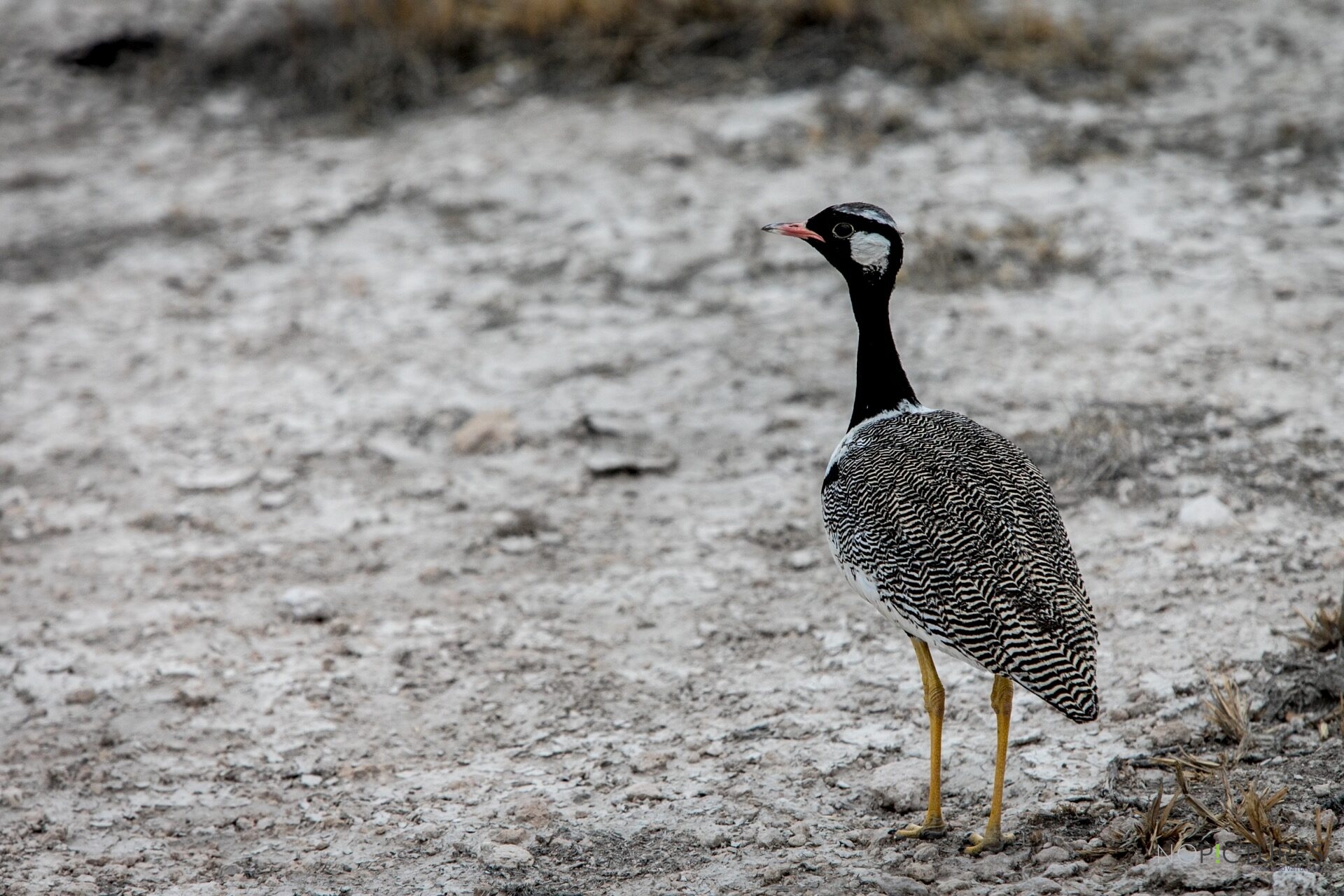


The number of animals we were able to see during our two days of game drive was amazing.
And not only in Etosha but also in Ongava Private Game Reserve which is glued next to the National park. An excellent base camp to visit Etosha.
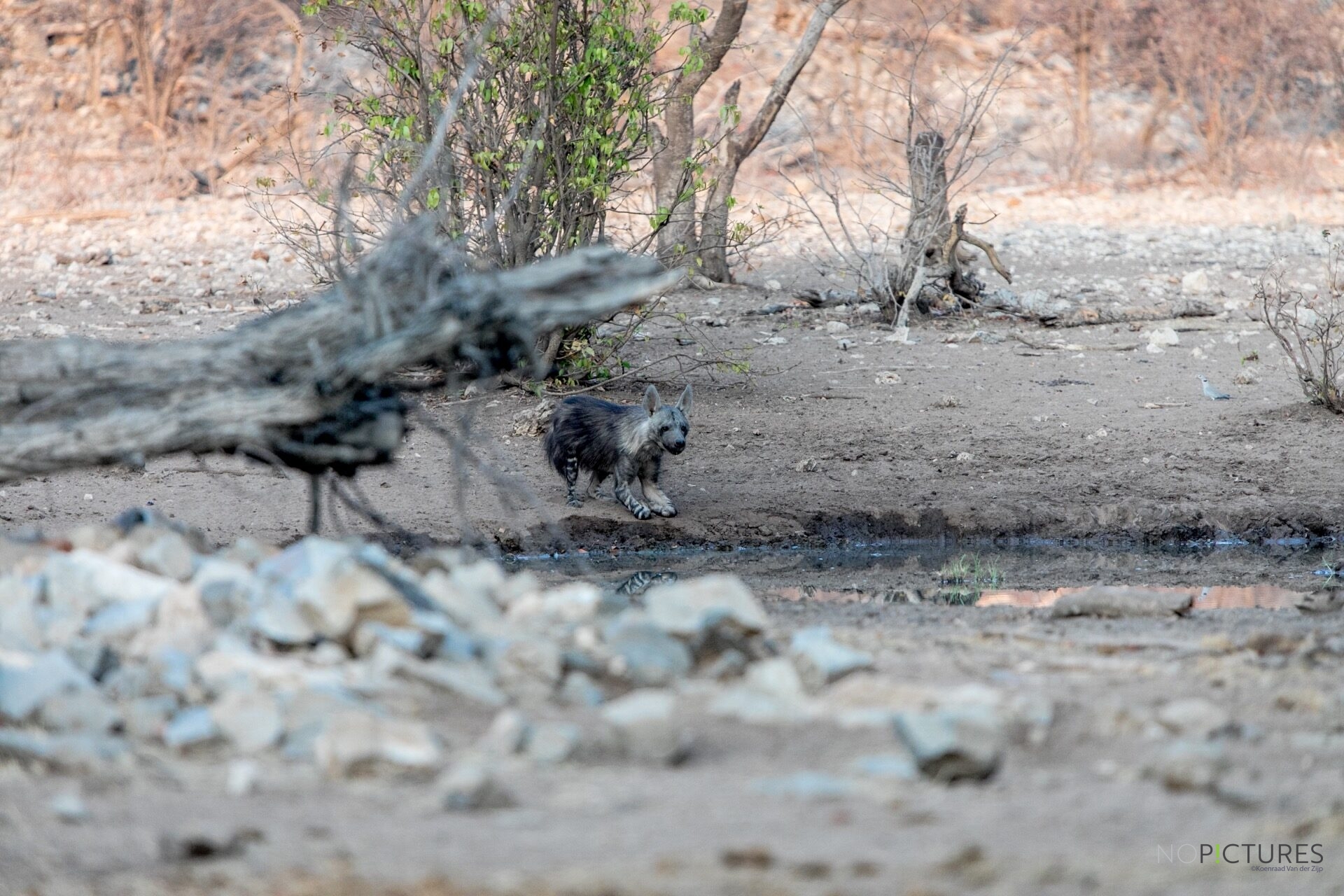
We stayed in the Ongava Tented Camp at the foot of a dolomite hill, next to a waterhole. One evening we got to witness a near-threatened striped hyena having a drink. Which is kinda rare because they are nocturnal animals normally only emerging in complete darkness.

The Tented Camp is situated in the middle of the reserve and is not fenced.
Meaning the animals can freely wander around which is not without risk. When we arrived an elephant had just damaged a water pipe at one of the tents. As there are no fences, you consequently cannot walk alone from your tent to the lounge main area at night. You are always accompanied by an armed guide.
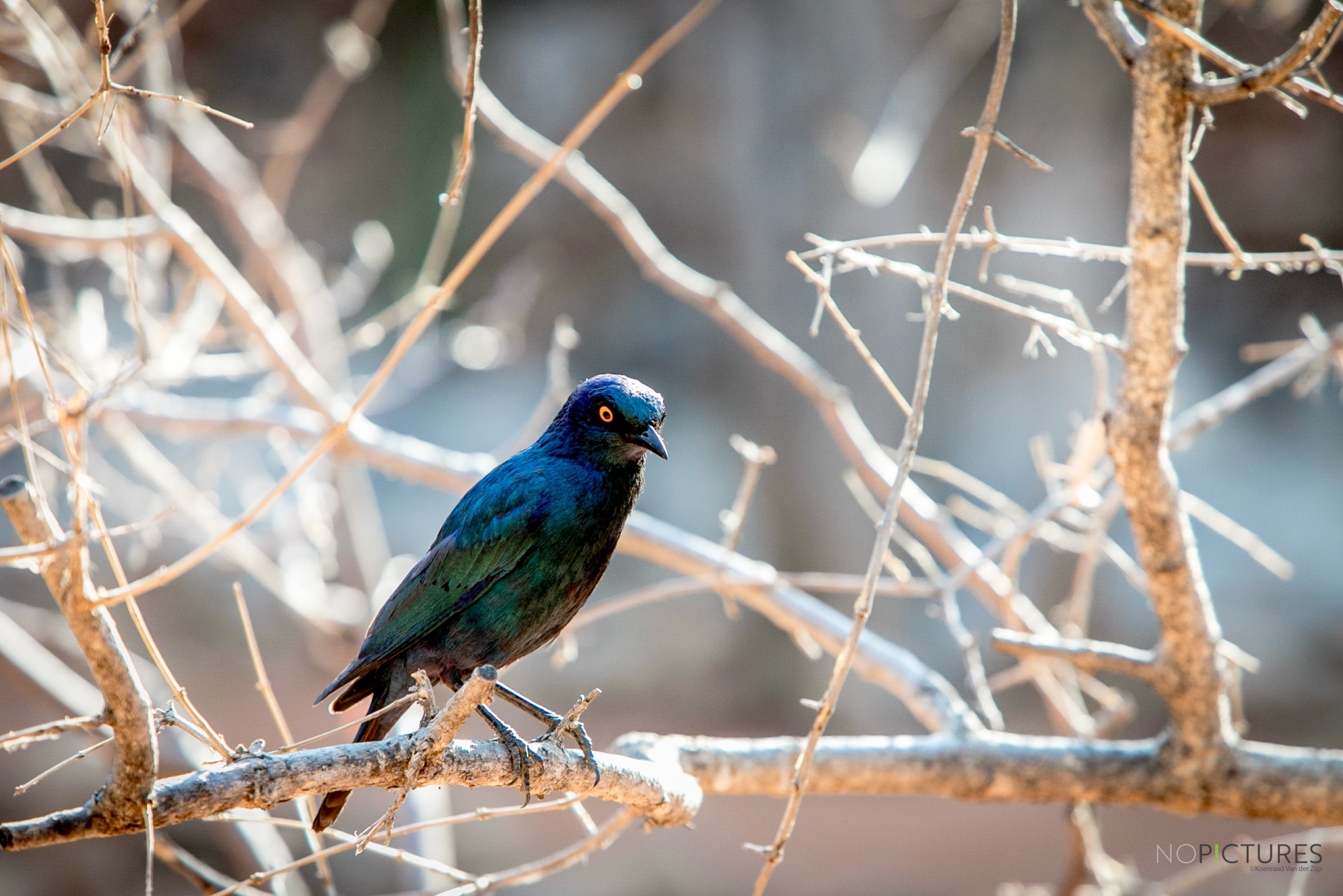
Not only on land but also in the sky, Namibia shines with a diversity of feathered species.


At Ongava Game Reserve, Ongava is rhino in Herero language, we did an early morning drive to spot some white rhino’s.
The reserve possesses an extensive family of rhinos. They participate in a breeding programme and some rhinos are regularly relocated into the wild.
They do the same with their lion population. During the second night of our stay, they hunted their two oldest lions, brothers, to release them in another location.


